7 Powerful Protein Secrets of Chia Seeds
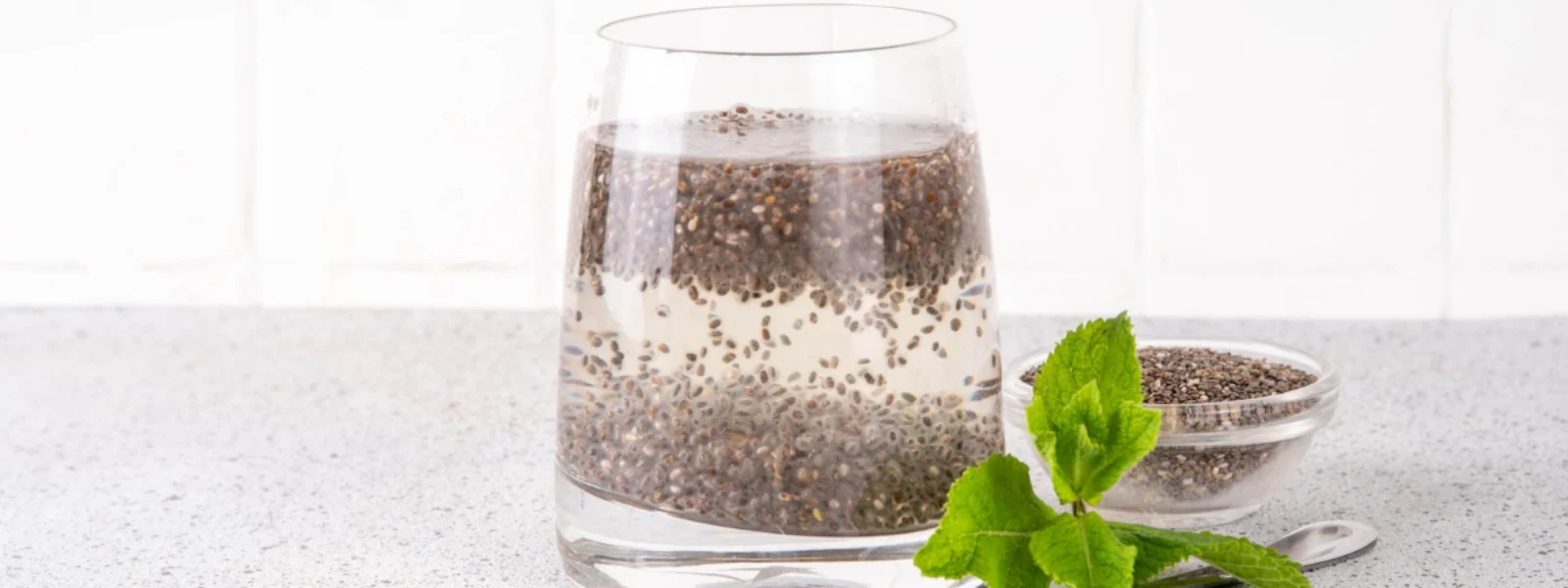


Think protein only comes from meat and dairy? Think again. These tiny black and white seeds pack a protein punch that rivals traditional sources, offering all nine essential amino acids your body needs. Chia seeds have protein that's not only complete but also comes with a bonus package of fiber, healthy fats, and minerals that work together to transform your health from the inside out.
What makes chia seeds truly remarkable isn't just their impressive protein content—it's how this protein works synergistically with other nutrients to support everything from gut health to sustained energy. By the end of this article, you'll understand seven powerful protein secrets that make chia seeds a nutritional powerhouse and learn exactly how to harness their benefits for optimal health.
Don't let their size fool you. Chia seeds protein content is impressive by any standard. Just two tablespoons (28 grams) deliver 4.7 grams of high-quality protein. To put this in perspective, that's about 10% of your daily protein needs in less than 140 calories.
What sets chia apart from other seeds is the quality of this protein. While many plant sources provide incomplete proteins missing certain amino acids, chia seeds offer all nine essential amino acids your body cannot produce on its own. This makes them one of the few plant-based complete protein sources available.
The protein density is equally impressive. At 17 grams per 100 grams, chia seeds contain 14-24% protein by weight. This puts them in the same league as quinoa and ahead of many other popular seeds and grains.
Here's what makes chia seeds special among plant based protein sources: they contain all nine essential amino acids in meaningful amounts. Your body uses these amino acids as building blocks for everything from muscle tissue to enzymes and hormones.
The amino acid profile includes leucine for muscle protein synthesis, lysine for tissue repair and immune function, and arginine for cardiovascular health and wound healing. Unlike many plant proteins that require combining with other foods to create a complete amino acid profile, chia seeds deliver this completeness in a single serving.
Research shows that the bioavailability of chia seed protein is excellent, meaning your body can effectively use the amino acids once digested. This makes chia seeds particularly valuable for vegetarians, vegans, and anyone looking to diversify their protein sources.
One of the most powerful benefits of chia seeds lies in their unique combination of protein and fiber. Each two-tablespoon serving provides not only 4.7 grams of protein but also 9.8 grams of fiber—about 40% of your daily fiber needs.
This combination creates a synergistic effect for chia seeds for gut health. The fiber acts as a prebiotic, feeding beneficial bacteria in your gut microbiome. Meanwhile, the protein provides amino acids necessary for maintaining the gut lining and producing digestive enzymes.
Chia seeds fiber is particularly special because it's mostly soluble fiber, which forms a gel-like substance when mixed with water. This gel helps slow digestion, allowing for better nutrient absorption and more stable blood sugar levels. The protein content works alongside this fiber to enhance satiety and provide sustained energy.
Did You Know?
When chia seeds absorb water, they can expand up to 12 times their original size, creating a gel that helps slow digestion and improve nutrient absorption. This unique property makes the protein more bioavailable and supports better gut health.
The protein in chia seeds works together with healthy omega-3 fatty acids and fiber to create sustained energy release. Unlike simple carbohydrates that cause rapid blood sugar spikes followed by crashes, the balanced macronutrient profile in chia seeds provides steady energy for hours.
This makes chia seeds excellent for pre-workout nutrition. The protein supports muscle function during exercise, while the complex carbohydrates and healthy fats provide sustained fuel. Post-workout, the complete amino acid profile aids in muscle recovery and repair.
For weight management, this protein-fiber-fat combination is particularly beneficial. Studies show that meals containing chia seeds increase satiety and reduce appetite for several hours, helping control overall calorie intake naturally.
To get the most from chia seeds nutritional value, preparation matters. While you can eat chia seeds dry, soaking them in water for 15-20 minutes significantly improves protein digestibility and nutrient absorption.
When soaked, chia seeds develop a gel-like coating that makes them easier to digest. This process also begins breaking down some of the fiber, making the protein more accessible to digestive enzymes. Ground chia seeds offer even better absorption, though they lose some of their unique gel-forming properties.
The optimal serving size for most adults is 1-2 tablespoons daily, providing 2.3-4.7 grams of protein. You can safely consume up to 1/3 cup daily, but it's best to start with smaller amounts and gradually increase to allow your digestive system to adapt to the high fiber content.
Among detox cleanse foods, chia seeds stand out for their gentle yet effective cleansing properties. The protein content plays a crucial role in supporting your body's natural detoxification processes, particularly in the liver where amino acids are essential for Phase II detoxification.
The combination of protein and fiber helps bind toxins in the digestive tract, supporting their elimination from the body. Unlike harsh detox methods that can stress your system, chia seeds provide gentle, sustained support for your body's natural cleansing mechanisms.
As one of the top gut health foods, chia seeds support the gut-liver axis—the important connection between digestive health and liver function. A healthy gut microbiome, supported by chia's prebiotic fiber and protein, enhances the liver's ability to process and eliminate toxins.
When comparing high protein seeds, chia seeds consistently rank at the top for both quantity and quality. While hemp seeds contain slightly more protein per serving (5 grams per 2 tablespoons), they lack the complete amino acid profile that makes chia special.
Flax seeds, another popular choice, contain only 2.6 grams of protein per 2 tablespoons and have an incomplete amino acid profile. Pumpkin seeds provide good protein but are much higher in calories and fat.
What makes chia seeds unique among protein in seeds is their versatility. They have a mild, nutty flavor that works in both sweet and savory dishes, and their gel-forming properties make them excellent for puddings, smoothies, and baked goods.
Unlike some protein sources that can cause digestive discomfort, chia seeds are remarkably gentle on the stomach. Their high fiber content actually supports digestive health rather than causing issues, provided you drink adequate water.
The protein in chia seeds is naturally free from common allergens like gluten, dairy, and soy, making it suitable for people with various dietary restrictions. This makes chia seeds an excellent protein source for those who struggle with digestive issues from other protein sources.
The gradual release of nutrients from chia seeds means you're less likely to experience the digestive upset that can come from consuming large amounts of protein at once. This makes them ideal for people with sensitive stomachs or those recovering from digestive issues.
One tablespoon of chia seeds contains approximately 2.3 grams of protein. This amount also provides about 4.9 grams of fiber and 69 calories, making it a nutrient-dense addition to your diet.
Yes, you can safely eat chia seeds daily. Most nutrition experts recommend 1-2 tablespoons per day as an optimal serving size. Start with smaller amounts if you're not used to high-fiber foods and gradually increase to allow your digestive system to adapt.
Chia seeds offer unique advantages among high-protein seeds because they provide a complete amino acid profile, unlike many other plant-based proteins. While hemp seeds contain slightly more protein per serving, chia seeds offer better overall nutritional balance with their fiber and omega-3 content.
Soaking chia seeds in water for 15-20 minutes before eating improves protein digestibility. You can also grind them for even better absorption, though this reduces their unique gel-forming properties. Adding them to smoothies or yogurt also enhances absorption.
While chia seeds are an excellent protein source, they work best as part of a varied diet rather than as your sole protein source. Their complete amino acid profile makes them valuable for muscle building, but you'll need multiple protein sources throughout the day to meet higher protein requirements for significant muscle growth.
These seven powerful protein secrets reveal why chia seeds deserve a place in your daily nutrition routine. From their complete amino acid profile to their unique ability to support gut health and sustained energy, chia seeds offer benefits that extend far beyond their impressive protein content. The combination of high-quality protein, beneficial fiber, and essential nutrients makes them a true superfood that can transform your health from the inside out. Whether you're looking to boost your protein intake, support digestive health, or simply add more plant-based nutrition to your diet, chia seeds provide a simple, versatile solution that works with your body's natural processes.



