7 Surprising Ways Milk Helps Manage Acid Reflux
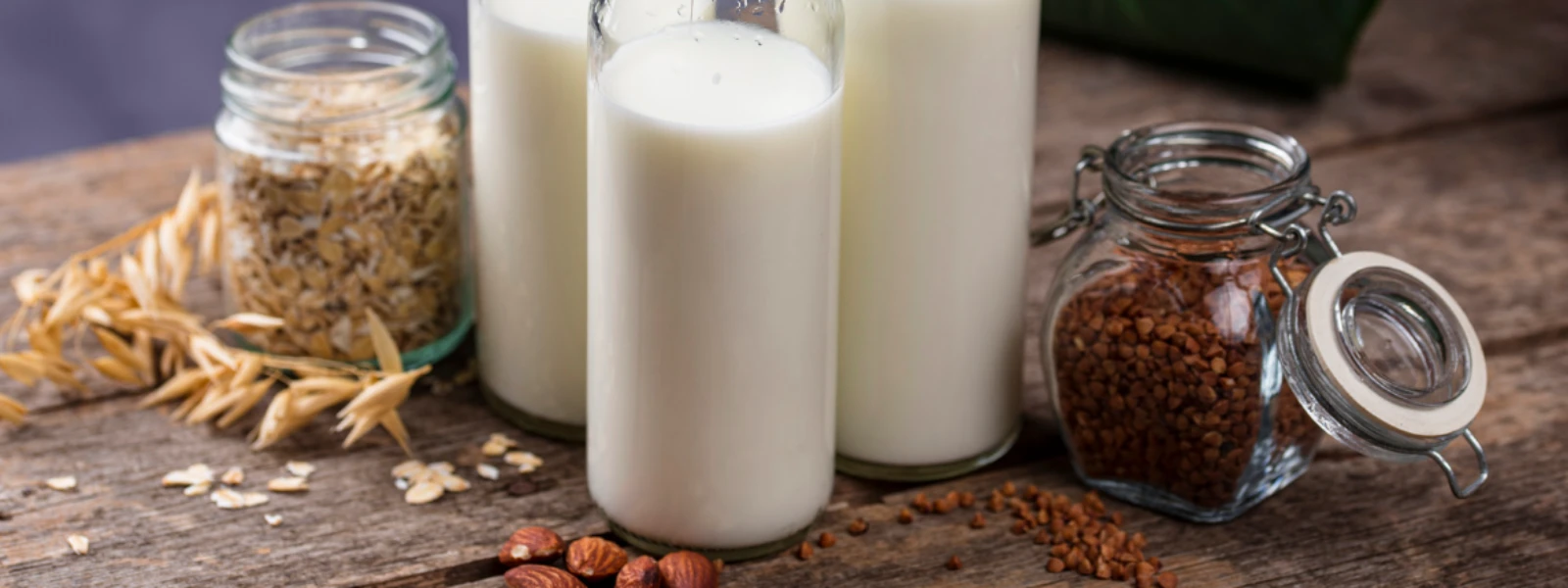


Acid reflux affects millions of people worldwide, causing uncomfortable burning sensations and disrupting daily life. While many reach for antacids, a simple glass of milk might offer surprising relief. Understanding is milk good for acidity requires examining the complex relationship between dairy products and stomach acid production.
This comprehensive guide explores seven evidence-based ways milk can help manage acid reflux symptoms. You'll discover the science behind milk's protective properties, learn which types work best, and understand when dairy might actually worsen your symptoms. By the end, you'll have practical strategies to incorporate milk effectively into your acid reflux management plan.
Milk's relationship with acid reflux stems from its unique chemical composition. When you drink milk, several mechanisms work together to provide temporary relief from heartburn symptoms.
The primary factor is milk's slightly alkaline pH, typically ranging from 6.5 to 6.7. This alkalinity helps neutralize excess stomach acid temporarily. Research published in the American Journal of Gastroenterology shows that dairy and stomach acid interact through a buffering system, where milk proteins bind to acid molecules and reduce their concentration.
Calcium plays a crucial role in this process. Studies indicate that calcium carbonate, naturally present in milk, acts as an antacid. When calcium enters your stomach, it triggers mechanisms that reduce acid production while providing immediate neutralization of existing acid.
The protein content in milk creates another layer of protection. Casein and whey proteins form a temporary coating along the esophageal lining, creating a barrier between sensitive tissues and stomach acid. However, this same protein content can stimulate acid production later, which explains why some people experience delayed symptoms.
When you drink milk, the proteins create a temporary protective layer along your esophagus. This coating acts like a shield, preventing stomach acid from directly contacting sensitive tissues. The effect typically lasts 30 to 60 minutes, providing crucial relief during acute episodes.
Cold milk works particularly well for this protective mechanism. The temperature helps constrict blood vessels slightly, reducing inflammation while the proteins settle into place. This dual action explains why many people instinctively reach for cold milk during heartburn episodes.
Milk acidity relief occurs through immediate acid neutralization. The buffering capacity of milk proteins and minerals helps stabilize stomach pH levels. Research shows that drinking 8 ounces of low-fat milk can raise stomach pH from 1.5 to approximately 3.5 within minutes.
This buffering effect provides rapid relief but remains temporary. The stomach's natural acid production resumes within 1-2 hours, which is why milk works best as immediate relief rather than long-term prevention.
Calcium serves multiple functions beyond acid neutralization. It helps regulate muscle contractions in the digestive tract, potentially reducing the likelihood of acid reflux episodes. Adequate calcium intake supports proper function of the lower esophageal sphincter, the muscle that prevents stomach acid from backing up into the esophagus.
Studies suggest that people with calcium deficiencies may experience more frequent acid reflux symptoms. A single cup of milk provides approximately 300mg of calcium, contributing significantly to daily requirements.
Nighttime acid reflux often proves more challenging to manage because lying down allows stomach acid to flow more easily into the esophagus. Milk for heartburn at bedtime can provide several hours of relief.
The key lies in timing and temperature. Drinking cold, low-fat milk 30 minutes before lying down allows the protective mechanisms to activate while minimizing the risk of delayed acid production. The cooling effect also helps reduce inflammation in the esophageal tissues.
Certain types of milk contain beneficial bacteria that support digestive health. Kefir and other fermented dairy products provide probiotics that may help balance gut bacteria and reduce inflammation throughout the digestive system.
The healing properties extend beyond immediate relief. Regular consumption of appropriate milk types can support tissue repair in the esophagus and stomach lining, though this requires consistent, long-term dietary changes rather than occasional use.
Unlike many acid reflux remedies, milk provides portable relief that's available almost anywhere. Small cartons of low-fat milk can be kept in refrigerators at work or carried in insulated bags for emergency relief.
This accessibility makes milk particularly valuable for people who experience unpredictable acid reflux episodes. The immediate availability can prevent symptoms from escalating while you seek more comprehensive treatment options.
Acid reflux can interfere with nutrient absorption and appetite. Milk provides essential nutrients including protein, Vitamin D, and B vitamins that support tissue repair and overall digestive health.
The high-quality protein in milk supplies amino acids necessary for healing damaged esophageal and stomach tissues. This nutritional support becomes particularly important for people managing chronic acid reflux conditions.
Did You Know?
Research from the Mayo Clinic shows that the temperature of milk affects its effectiveness for acid reflux. Cold milk provides faster relief because it helps reduce inflammation, while room temperature milk offers longer-lasting buffering effects. The optimal approach may involve starting with cold milk for immediate relief, then switching to room temperature for sustained benefits.
Not all milk types provide equal benefits for acid reflux management. Understanding which options work best helps optimize your relief strategy.
Low-fat and skim milk typically provide the most effective relief. High-fat dairy products can actually trigger acid reflux by slowing digestion and relaxing the lower esophageal sphincter. Studies show that milk with less than 2% fat content offers optimal buffering without triggering delayed symptoms.
Plant-based alternatives like almond milk and oat milk can work well for people with lactose intolerance. These options often have naturally alkaline properties and avoid the potential complications of dairy sensitivity. Soy milk provides similar protein benefits to dairy milk while being easier to digest for sensitive individuals.
Temperature plays a crucial role in effectiveness. Cold milk provides immediate relief and reduces inflammation, while room temperature milk offers longer-lasting buffering effects. Avoid hot milk, which can actually increase stomach acid production and worsen symptoms.
Despite its benefits, milk can worsen acid reflux in certain situations. Understanding these scenarios helps you use milk safely and effectively.
Milk side effects acidity often occur with full-fat varieties. High-fat content slows gastric emptying, keeping food and acid in the stomach longer. This prolonged exposure increases the risk of acid backing up into the esophagus.
Lactose intolerance creates additional complications. People who cannot properly digest lactose may experience bloating, gas, and increased stomach pressure, all of which can worsen acid reflux symptoms. If you suspect lactose intolerance, try lactose-free dairy or plant-based alternatives.
The protein rebound effect represents another concern. While milk proteins initially buffer acid, they stimulate gastrin production 2-3 hours later. This hormone triggers increased acid production, potentially causing delayed symptoms worse than the original episode.
Individual tolerance varies significantly. Some people experience relief from any type of milk, while others find that even small amounts trigger symptoms. Pay attention to your body's responses and adjust accordingly.
Successful acid reflux diet management requires strategic planning beyond just drinking milk. Understanding how to combine milk with other foods to reduce acidity maximizes its effectiveness.
Timing matters significantly. Drinking milk between meals rather than with large meals prevents overwhelming your digestive system. This approach allows the buffering effects to work without competing with other digestive processes.
Combine milk with other alkaline foods like bananas, melons, and leafy greens to enhance its acid-neutralizing effects. Avoid consuming milk with highly acidic foods like citrus fruits or tomatoes, which can counteract its benefits.
Consider milk as part of a broader strategy that includes gut health and milk optimization. This might involve incorporating fermented dairy products, maintaining consistent meal timing, and avoiding known trigger foods.
Cold milk can provide relief for both acidity and gas symptoms. The cold temperature helps reduce inflammation in the digestive tract while the alkaline properties neutralize excess acid. However, people with lactose intolerance may experience increased gas from any type of dairy milk, regardless of temperature.
While cold milk typically helps reduce acidity, it can cause problems for individuals with lactose intolerance or dairy sensitivities. These people may experience increased acid production, bloating, and digestive discomfort. If you notice worsening symptoms after drinking milk, consider lactose-free alternatives or plant-based options.
Besides milk, several foods can quickly neutralize stomach acid including bananas, melons, oatmeal, and alkaline water. Milk ranks among the most effective options due to its protein content and calcium levels, but combining it with other alkaline foods can enhance the neutralizing effect.
Daily milk consumption for acid reflux management is generally safe for most people, but moderation is key. Limit intake to 1-2 glasses per day and choose low-fat varieties to avoid triggering delayed acid production. Monitor your symptoms and adjust frequency based on your individual response.
The choice between dairy and plant-based milk depends on individual tolerance and sensitivity. Dairy milk provides more protein and calcium for buffering effects, but plant-based alternatives work better for people with lactose intolerance. Almond milk and oat milk offer good alkaline properties without dairy-related complications.
Milk can serve as an effective tool for managing acid reflux when used appropriately. The seven mechanisms explored demonstrate how dairy products provide both immediate relief and ongoing digestive support. However, success depends on choosing the right type of milk, timing consumption properly, and understanding individual tolerance levels.
Remember that while milk offers valuable relief, it works best as part of a comprehensive approach to acid reflux management. Consider exploring nutritional supplements that support digestive health and overall wellness as part of your journey toward better gut health and reduced acid reflux symptoms.



