7 Top Foods High in Magnesium and Zinc Today
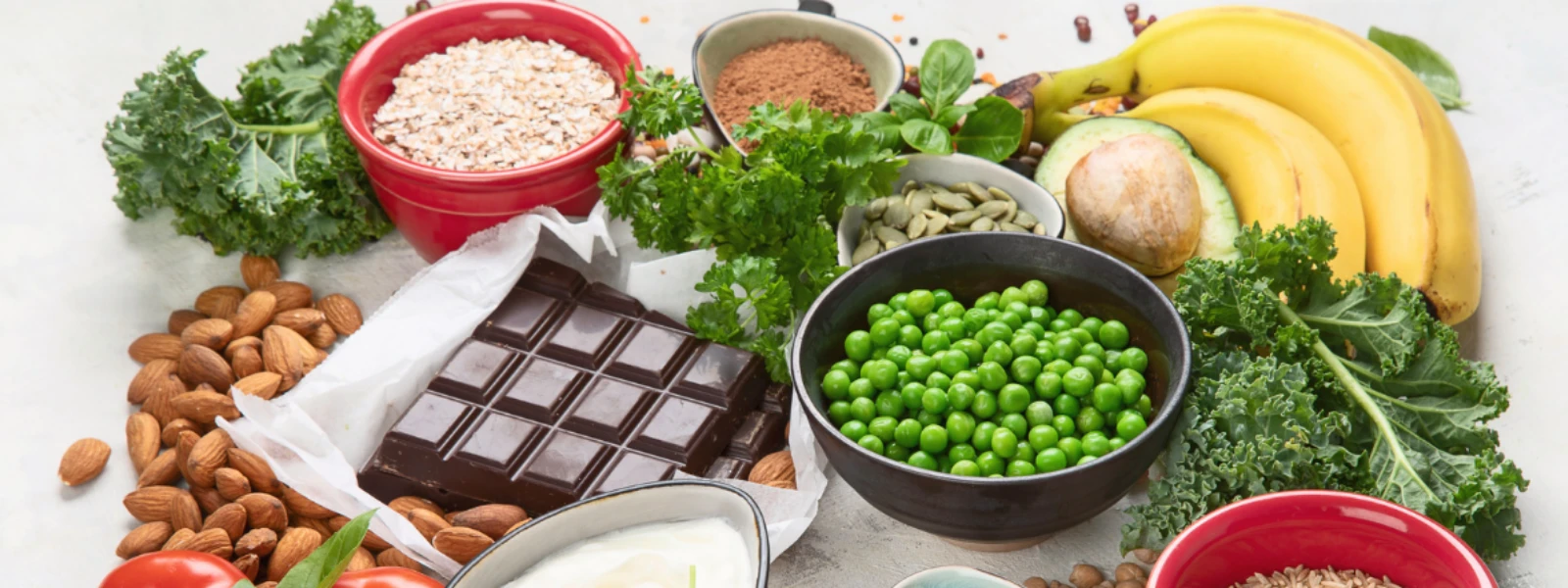


Your body requires over 300 enzymatic reactions daily, and many of these depend on two critical minerals: magnesium and zinc. These powerhouse nutrients work together to support everything from immune function to digestive health. Yet studies show that nearly 50% of adults don't get enough magnesium, while zinc deficiency affects approximately 17% of the global population.
Understanding which foods high in magnesium and zinc can transform your health isn't just about meeting daily requirements. It's about optimizing absorption, supporting gut function, and preventing the cascade of health issues that stem from mineral deficiencies. This guide reveals seven scientifically-backed food sources that deliver both minerals effectively, plus practical strategies to maximize their benefits in your body.
Magnesium and zinc function as cofactors in numerous biological processes, creating a synergistic relationship that's particularly important for digestive health. Magnesium activates over 300 enzymes involved in protein synthesis, muscle function, and energy metabolism. Meanwhile, zinc supports immune function, wound healing, and DNA synthesis.
In your digestive system, these minerals work together to maintain gut barrier integrity. Magnesium helps regulate smooth muscle contractions in the intestinal wall, while zinc supports the production of digestive enzymes and maintains the protective mucus layer. Research published in the World Journal of Gastroenterology shows that both minerals are essential for maintaining a healthy gut microbiome.
The recommended daily intake for magnesium ranges from 310-420mg for adults, depending on age and gender. For zinc, adults need 8-11mg daily. However, absorption rates vary significantly based on food sources, preparation methods, and individual digestive health.
Pumpkin seeds top the list as one of the most concentrated sources of both minerals. A single cup provides approximately 534mg of magnesium (over 100% of daily needs) and 6.6mg of zinc (60% of daily requirements). These seeds also contain healthy fats that enhance mineral absorption.
The magnesium in pumpkin seeds exists in a highly bioavailable form, making it easier for your body to utilize. Additionally, the natural oils in these seeds support the absorption of fat-soluble vitamins that work alongside these minerals.
Tree nuts offer an excellent balance of both minerals in portable, versatile forms. One ounce of cashews provides about 82mg of magnesium and 1.6mg of zinc. Almonds deliver approximately 76mg of magnesium per ounce, though they contain less zinc.
Raw nuts generally retain more minerals than roasted varieties, as high heat can reduce bioavailability. Soaking nuts overnight can further improve mineral absorption by reducing natural enzyme inhibitors.
Spinach and Swiss chard excel as magnesium rich foods, with cooked spinach providing about 157mg of magnesium per cup. While these greens contain modest amounts of zinc, their high magnesium content makes them valuable additions to a mineral-rich diet.
The bioavailability of magnesium from leafy greens improves when they're consumed with healthy fats. This is why adding olive oil or nuts to salads enhances mineral absorption.
Chickpeas, black beans, and lentils serve as excellent sources of both minerals while providing fiber that supports gut health. One cup of cooked chickpeas contains approximately 78mg of magnesium and 2.5mg of zinc.
The fiber in legumes acts as a prebiotic, feeding beneficial gut bacteria that can improve overall mineral absorption. However, legumes also contain phytates, which can inhibit mineral uptake. Soaking and cooking properly helps reduce these compounds.
Quinoa stands out among whole grains, providing about 118mg of magnesium and 2.8mg of zinc per cooked cup. Brown rice and oats also contribute meaningful amounts of magnesium, though their zinc content is more modest.
The processing that creates refined grains removes most minerals, making whole grain choices essential for meeting mineral needs. Sprouting grains can increase bioavailability by reducing antinutrients.
Animal proteins excel as zinc rich foods, with grass-fed beef providing about 7mg of zinc per 3-ounce serving. While meat contains less magnesium than plant sources, it offers highly bioavailable zinc that your body readily absorbs.
The heme iron in meat can enhance zinc absorption, making animal proteins particularly valuable for addressing zinc deficiency. Grass-fed options typically contain higher mineral levels than conventionally raised alternatives.
High-quality dark chocolate (70% cacao or higher) provides surprising amounts of both minerals. One ounce contains approximately 64mg of magnesium and 0.9mg of zinc, along with beneficial antioxidants that support gut health.
The flavonoids in dark chocolate may enhance mineral absorption and provide additional cardiovascular benefits. However, moderation is key, as chocolate is calorie-dense.
Did You Know?
Your gut bacteria actually influence how well you absorb magnesium and zinc. A diverse microbiome can increase mineral bioavailability by up to 30%, making gut health foods essential for preventing deficiency even when mineral intake appears adequate.
Understanding magnesium absorption foods and zinc absorption foods involves more than just choosing the right sources. Certain nutrients enhance absorption while others can inhibit it.
Vitamin D significantly improves magnesium absorption, which is why getting adequate sunlight or consuming Vitamin D-rich foods alongside magnesium sources proves beneficial. For zinc, consuming it with protein sources enhances uptake, as amino acids help transport the mineral across intestinal walls.
Conversely, high calcium intake can compete with magnesium absorption, so timing these nutrients separately may improve uptake. Phytates in grains and legumes can bind to both minerals, reducing absorption. Soaking, sprouting, or fermenting these foods helps minimize this effect.
Fermented foods like kefir, sauerkraut, and kimchi support the gut bacteria that enhance mineral absorption. Including these gut health foods in your daily routine can improve your body's ability to utilize the minerals you consume.
Building meals around foods for magnesium deficiency and foods for zinc deficiency doesn't require complex planning. Start by incorporating at least one high-mineral food into each meal.
Breakfast might include oatmeal topped with pumpkin seeds and a small piece of dark chocolate. Lunch could feature a spinach salad with chickpeas and cashews. Dinner might include grass-fed beef with quinoa and steamed Swiss chard.
Meal prep strategies can help ensure consistent mineral intake. Soaking nuts and seeds overnight, batch-cooking legumes, and preparing grab-and-go portions of mineral-rich snacks supports long-term success.
Pumpkin seeds contain the highest concentration of magnesium among commonly available foods, providing over 500mg per cup. Other excellent sources include dark leafy greens, nuts, and whole grains, though in smaller concentrations per serving.
Focus on incorporating the seven foods mentioned daily, ensure proper preparation methods like soaking legumes and nuts, consume these minerals with absorption enhancers like Vitamin D and protein, and maintain good gut health through fermented foods and adequate fiber intake.
Green smoothies made with spinach or kale provide substantial magnesium, as do certain mineral waters. Herbal teas like nettle tea contain modest amounts, though solid foods remain the most reliable sources for meeting daily requirements.
It's extremely difficult to consume toxic levels of these minerals from food sources alone. Your kidneys regulate magnesium levels effectively, while zinc from food rarely reaches problematic amounts. Supplementation poses greater risks for overconsumption than dietary sources.
Pumpkin seeds, cashews, legumes, and whole grains like quinoa provide meaningful amounts of both minerals. Creating meals that combine these foods with absorption enhancers offers the most effective approach to addressing dual deficiencies naturally.
These seven foods high in magnesium and zinc offer a practical foundation for meeting your body's mineral needs while supporting optimal gut function. From the mineral density of pumpkin seeds to the convenience of nuts and the versatility of legumes, each food provides unique benefits that extend beyond basic nutrition. Remember that absorption matters as much as intake, so combining these foods thoughtfully and maintaining good digestive health maximizes their impact. By incorporating these scientifically-backed sources into your daily routine, you're taking a significant step toward preventing deficiency and supporting long-term wellness. Explore how targeted nutrition can complement these dietary strategies for comprehensive health optimization.



