7 Warning Signs of Low HDL You Shouldn't Ignore


Your cholesterol levels tell a story about your cardiovascular health, but one crucial chapter often gets overlooked. While most people focus on lowering "bad" LDL cholesterol, low HDL symptoms can be equally dangerous warning signs that your heart health is at risk. High-density lipoprotein (HDL) cholesterol acts as your body's cleanup crew, removing harmful cholesterol from your arteries and transporting it to your liver for disposal.
Understanding the subtle signs of low HDL can help you take action before serious cardiovascular complications develop. This comprehensive guide will walk you through seven critical warning signs, explore the connection between gut health and cholesterol metabolism, and provide science-backed strategies to naturally boost your HDL levels.
HDL cholesterol earned its nickname as "good cholesterol" because it performs the vital function of reverse cholesterol transport. Unlike LDL cholesterol that deposits fatty substances in your arteries, HDL actively removes these deposits and carries them back to your liver for processing.
Healthy cholesterol levels for HDL vary by gender. Men should maintain HDL levels above 40 mg/dL, while women need levels above 50 mg/dL. Optimal HDL levels exceed 60 mg/dL for both genders, providing significant protection against heart disease.
The challenge with low HDL is its silent nature. Unlike high blood pressure or diabetes, low HDL rarely produces obvious symptoms until cardiovascular damage has already begun. This makes recognizing subtle warning signs crucial for early intervention.
One of the earliest low HDL symptoms is unusual fatigue during routine physical activities. When HDL levels drop, your cardiovascular system becomes less efficient at clearing arterial deposits. This leads to reduced blood flow and oxygen delivery to your muscles, causing you to feel exhausted more quickly during exercise or daily activities.
Women may notice this symptom more acutely due to hormonal factors that naturally affect HDL production. If you find yourself breathless climbing stairs or feeling unusually tired during workouts you previously handled easily, this could signal declining HDL levels.
Chest tightness or pressure, especially during physical exertion, can indicate that low HDL is allowing arterial narrowing to progress. This symptom occurs because insufficient HDL fails to clear cholesterol deposits from coronary arteries, leading to reduced blood flow to the heart muscle.
While chest discomfort doesn't always indicate a heart attack, it should never be ignored. If you experience persistent chest pressure, especially combined with other symptoms, seek immediate medical evaluation.
Xanthomas are yellowish, fatty deposits that appear on the skin, particularly around the eyelids (xanthelasmas), elbows, knees, or tendons. These visible signs often indicate genetic conditions affecting cholesterol metabolism or severely imbalanced cholesterol levels.
While xanthomas can occur with various lipid disorders, their presence alongside low HDL suggests your body's cholesterol transport system is significantly compromised. These deposits represent cholesterol that your HDL system cannot effectively clear from tissues.
Poor circulation from arterial narrowing can cause numbness, tingling, or "pins-and-needles" sensations in your hands and feet. When HDL levels are insufficient to maintain clear arteries, peripheral circulation suffers, leading to these uncomfortable symptoms.
This symptom often worsens with cold weather or prolonged sitting, as compromised circulation struggles to maintain adequate blood flow to extremities.
Brain fog, dizziness, or difficulty concentrating can result from reduced blood flow to the brain. Low HDL contributes to arterial narrowing throughout your body, including the carotid arteries that supply your brain with oxygen-rich blood.
These cognitive symptoms often worsen during periods of physical or mental stress when your brain requires increased blood flow but compromised circulation cannot meet the demand.
Changes in vision, including blurred sight or difficulty focusing, can indicate circulation problems affecting the delicate blood vessels in your eyes. The retinal arteries are among the smallest in your body and are particularly vulnerable to cholesterol-related narrowing.
Some genetic conditions that cause extremely low HDL can also affect vision directly, making eye symptoms an important warning sign to discuss with your healthcare provider.
Perhaps the most serious warning sign is developing cardiovascular problems at a younger age than expected. Low HDL significantly increases your risk of heart disease, stroke, and peripheral artery disease, potentially causing these conditions to appear decades earlier than they would with healthy cholesterol levels.
Family history of early heart disease combined with low HDL symptoms should prompt immediate lifestyle changes and medical evaluation.
Did You Know?
Research shows that for every 1 mg/dL increase in HDL cholesterol, cardiovascular disease risk decreases by 2-3%. This makes HDL one of the most powerful predictors of heart health, yet it remains underdiagnosed and undertreated compared to LDL cholesterol.
Several factors contribute to low HDL causes, ranging from genetic predisposition to lifestyle choices. Genetic conditions like Tangier disease or familial HDL deficiency can cause severely low HDL levels from birth, but these are relatively rare.
More commonly, lifestyle factors drive HDL decline. Sedentary behavior, smoking, and diets high in processed foods and trans fats all suppress HDL production. Metabolic syndrome, insulin resistance, and obesity create inflammatory conditions that interfere with HDL metabolism.
Certain medications, including beta-blockers, anabolic steroids, and some diuretics, can lower HDL levels as a side effect. If you're taking medications and notice symptoms, discuss alternatives with your healthcare provider.
Emerging research reveals a fascinating link between gut health and cholesterol metabolism. Your gut microbiome plays a crucial role in cholesterol production, absorption, and elimination. Beneficial bacteria help metabolize dietary cholesterol and produce short-chain fatty acids that support healthy HDL levels.
When gut health is compromised through poor diet, stress, or antibiotic use, the resulting inflammation can suppress HDL production. Leaky gut syndrome allows bacterial toxins to enter circulation, triggering inflammatory responses that interfere with cholesterol metabolism.
The gut also produces bile acids essential for cholesterol elimination. Disrupted gut bacteria can impair bile acid recycling, leading to cholesterol accumulation and reduced HDL efficiency.
An HDL cholesterol test is part of a standard lipid panel that measures total cholesterol, LDL, HDL, and triglycerides. Most guidelines recommend testing every five years starting at age 20, with more frequent testing for those with risk factors.
The test typically requires 9-12 hours of fasting, though some newer tests can be performed without fasting. Results are available within a few days and provide a comprehensive picture of your cholesterol profile.
Understanding your results is crucial. HDL levels below 40 mg/dL for men or 50 mg/dL for women indicate increased cardiovascular risk, especially when combined with elevated LDL or triglycerides.
Fortunately, you can increase HDL naturally through targeted lifestyle changes. Regular aerobic exercise is one of the most effective interventions, with studies showing that 150 minutes of moderate exercise weekly can raise HDL by 5-10%.
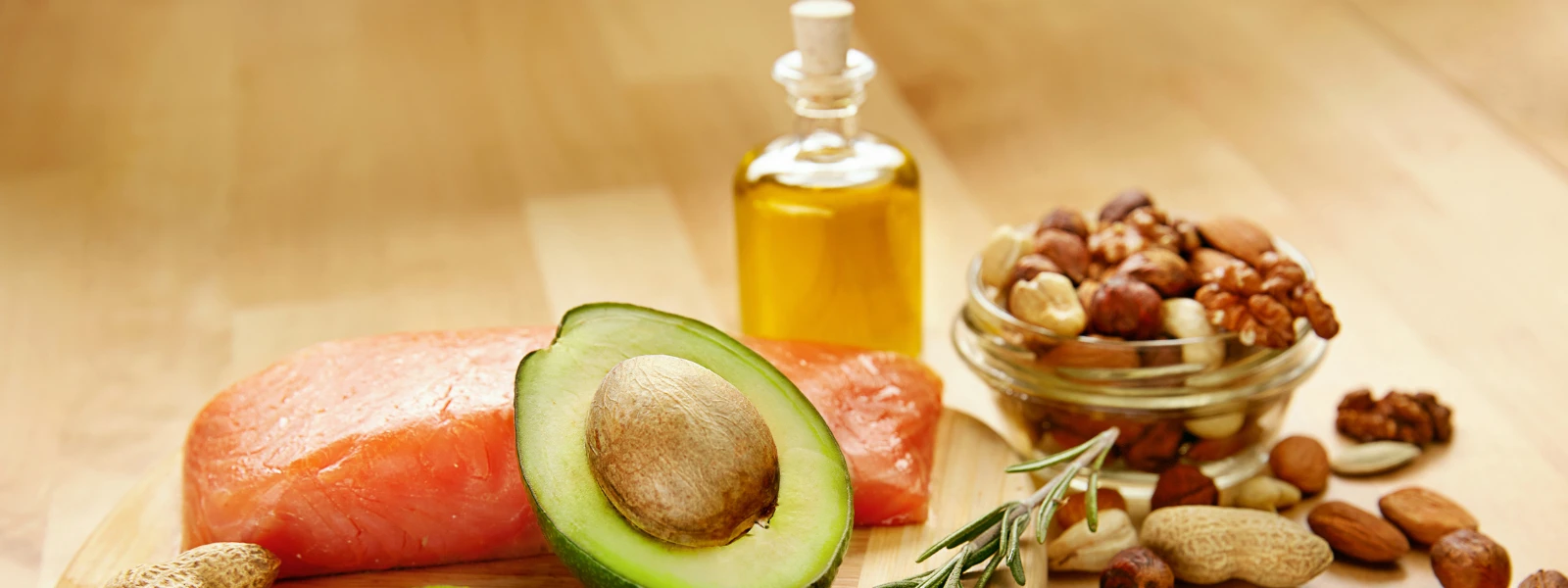
Dietary changes form the foundation of natural HDL improvement. Foods to increase HDL include fatty fish rich in omega-3 fatty acids, such as salmon, mackerel, and sardines. Healthy fats from avocados, olive oil, and nuts provide building blocks for HDL production.
A low HDL diet should emphasize fiber-rich foods that support gut health and cholesterol elimination. Berries, vegetables, and whole grains provide antioxidants that protect HDL from oxidative damage while feeding beneficial gut bacteria.
Weight management plays a crucial role, as excess abdominal fat suppresses HDL production. Even modest weight loss of 5-10% can significantly improve HDL levels.
Smoking cessation provides immediate benefits, with HDL levels often improving within weeks of quitting. Alcohol in moderation (one drink daily for women, two for men) may slightly raise HDL, but the risks often outweigh benefits.
When lifestyle changes aren't sufficient, low HDL treatment may include medications. Niacin (nicotinic acid) can raise HDL by 15-35%, though side effects like flushing limit its use. Fibrates primarily lower triglycerides but also modestly increase HDL.
Some statins, particularly those that also raise HDL, may be prescribed when LDL is also elevated. Newer medications targeting HDL metabolism are under development, offering hope for more effective treatments.
The key is working with your healthcare provider to develop a comprehensive plan that addresses all aspects of your cholesterol profile while considering your individual risk factors and health status.
Yes, low HDL can contribute to fatigue and weakness, particularly during physical activity. When HDL levels are insufficient to maintain clear arteries, reduced blood flow and oxygen delivery to muscles can cause early exhaustion and weakness during routine activities.
Primary risk factors include sedentary lifestyle, smoking, obesity (especially abdominal fat), insulin resistance, certain medications, and genetic factors. Men naturally have lower HDL than women, and levels decline with age in both genders.
HDL levels can begin improving within 2-3 weeks of starting regular exercise, though significant changes typically take 2-3 months. Dietary changes and weight loss may take longer to show measurable effects, often requiring 3-6 months of consistent effort.
Yes, gut health significantly impacts cholesterol metabolism. Beneficial gut bacteria help process dietary cholesterol, produce compounds that support HDL production, and maintain the intestinal barrier that prevents inflammation. Poor gut health can suppress HDL levels and worsen overall cholesterol balance.
Consult your healthcare provider if you experience chest discomfort, persistent fatigue during normal activities, vision changes, or numbness in extremities. Regular cholesterol screening is recommended every 5 years starting at age 20, or more frequently if you have risk factors.
Recognizing the warning signs of low HDL is crucial for protecting your cardiovascular health. From persistent fatigue and chest discomfort to more subtle symptoms like brain fog and circulation problems, these signals shouldn't be ignored. The connection between gut health and cholesterol metabolism adds another important dimension to HDL management, highlighting how comprehensive wellness approaches often yield the best results. While low HDL can seem like a silent threat, the good news is that natural interventions including regular exercise, a nutrient-rich diet, and gut health support can significantly improve your levels. Combined with appropriate medical care when needed, these strategies can help you maintain healthy cholesterol levels and reduce your cardiovascular risk for years to come.



