8 Natural Antacids to Replace Medicine Safely


Millions of people reach for antacids daily to combat heartburn and acid reflux. But what if nature already provided effective solutions that could work just as well? Can natural antacids replace medicine effectively? Research suggests that several natural compounds can neutralize stomach acid and provide relief from digestive discomfort, often with fewer side effects than conventional medications.
This comprehensive guide explores eight science-backed natural antacids that may offer a safer, gentler approach to managing acid reflux and heartburn. You'll discover how these natural alternatives work, when they're most effective, and how to use them safely as part of a holistic approach to digestive health.
Natural antacids function through various mechanisms to reduce stomach acid and soothe digestive irritation. Unlike pharmaceutical antacids that primarily neutralize existing acid, many natural remedies work by addressing the root causes of acid imbalance.
The stomach naturally produces hydrochloric acid to break down food and kill harmful bacteria. However, factors like stress, poor diet, and certain medications can disrupt this delicate balance. When acid production becomes excessive or the protective stomach lining weakens, symptoms like heartburn and indigestion occur.
Natural antacids offer several advantages over conventional medications. They typically provide gentler, more sustained relief without the rebound effect that some pharmaceutical antacids can cause. Many natural remedies also support overall digestive health rather than just masking symptoms.
Research published in medical journals shows that natural antacids generally have fewer side effects than their pharmaceutical counterparts. However, this doesn't mean they're risk-free. Understanding proper dosages, timing, and potential interactions remains crucial for safe use.
Natural remedies work best when combined with dietary and lifestyle modifications. They're particularly effective for mild to moderate symptoms and can serve as excellent preventive measures for those prone to occasional heartburn.
Sodium bicarbonate, commonly known as baking soda, ranks among the most effective natural antacids. It works by directly neutralizing stomach acid, providing rapid relief from heartburn symptoms.
To use baking soda safely, dissolve half a teaspoon in a glass of water and drink slowly. The alkaline nature of baking soda quickly raises stomach pH, reducing acidity. However, this remedy should be used sparingly due to its high sodium content.
Medical experts recommend limiting baking soda use to occasional relief rather than daily consumption. Overuse can lead to electrolyte imbalances and interfere with natural digestive processes.
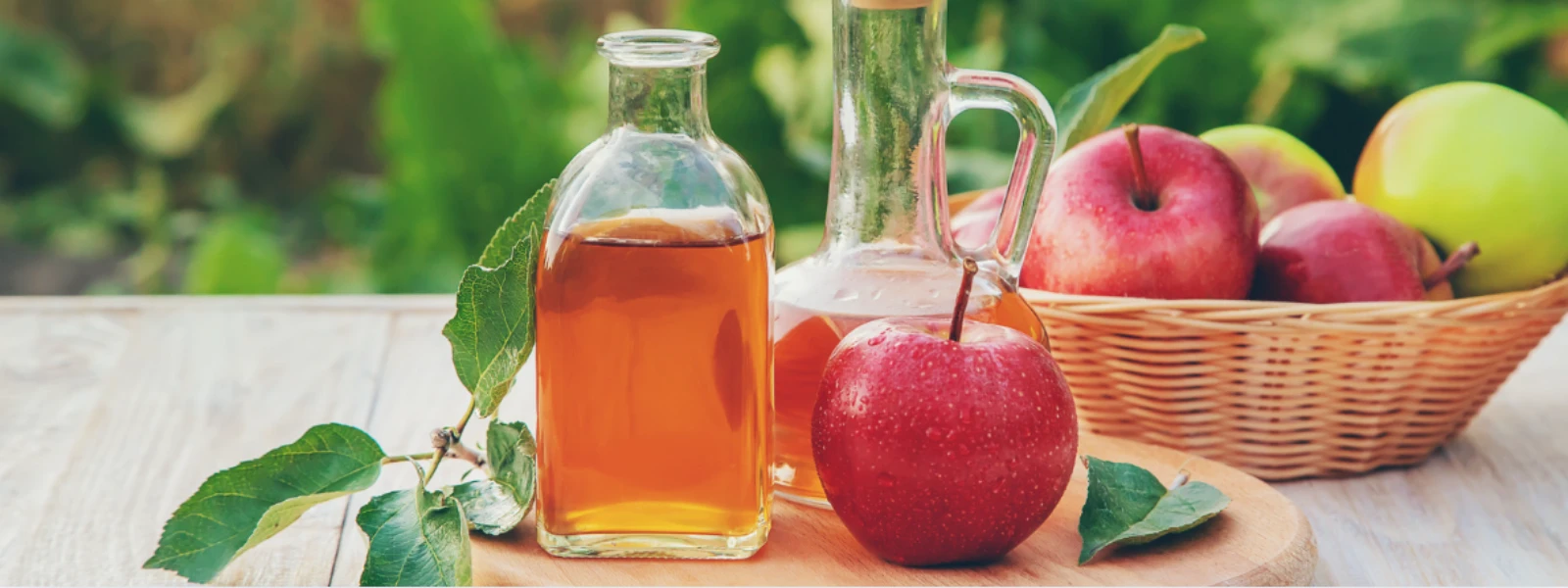
While it seems counterintuitive to treat acid with more acid, apple cider vinegar can effectively reduce heartburn symptoms. This natural remedy works by improving digestion and potentially increasing stomach acid production when levels are actually too low.
Mix one to two tablespoons of raw, unfiltered apple cider vinegar in a glass of water before meals. The acetic acid in vinegar may help break down food more efficiently, reducing the likelihood of acid reflux.
People with severe acid reflux or stomach ulcers should avoid this remedy, as additional acid could worsen their condition.
Ginger contains compounds called gingerols that possess anti-inflammatory properties beneficial for digestive health. Studies show that ginger can reduce inflammation in the digestive tract and improve gastric motility.
Fresh ginger tea provides the most potent benefits. Steep one teaspoon of grated fresh ginger in hot water for 10 minutes. Alternatively, ginger supplements offer a convenient option for consistent dosing.
The recommended dose ranges from 1-3 grams daily, divided into smaller amounts throughout the day for optimal digestive support.
Aloe vera juice contains compounds that can soothe irritated stomach lining and reduce inflammation. The gel-like consistency creates a protective coating that may help shield the esophagus from acid damage.
Choose pure, food-grade aloe vera juice without added sugars or artificial ingredients. Start with small amounts (1-2 ounces) to assess tolerance, as some people may experience digestive upset initially.
Quality matters significantly with aloe vera products. Look for organic, cold-pressed varieties that retain maximum beneficial compounds.
Chamomile possesses anti-inflammatory and antispasmodic properties that can help relax the digestive system. This gentle herb may reduce stomach acid production and ease digestive discomfort.
Brew chamomile tea using dried flowers or high-quality tea bags. Steep for 5-10 minutes to extract maximum beneficial compounds. Drinking chamomile tea 30 minutes before meals may help prevent acid reflux episodes.
The calming effects of chamomile extend beyond digestion, potentially reducing stress-related acid production.
Did You Know?
Studies show that chronic stress can increase stomach acid production by up to 40%. Natural remedies like chamomile that address both digestive symptoms and stress may provide more comprehensive relief than single-action antacids.
Deglycyrrhizinated licorice (DGL) helps increase mucus production in the stomach, creating a protective barrier against acid damage. Unlike regular licorice, DGL has the compound glycyrrhizin removed, making it safer for long-term use.
Chew DGL tablets 15-20 minutes before meals or when experiencing symptoms. The chewing action activates saliva production, which also helps neutralize acid.
DGL offers a gentler approach than regular licorice root, which can cause blood pressure elevation and other side effects when used long-term.
Slippery elm bark contains mucilage, a gel-like substance that coats and soothes irritated digestive tissues. This natural remedy has been used traditionally for centuries to treat various digestive complaints.
Mix slippery elm powder with water to create a thick paste, then dilute with additional water to drinking consistency. Consume this mixture 30 minutes before meals for optimal protective effects.
The mucilage in slippery elm creates a physical barrier that may help protect the esophagus and stomach lining from acid damage.
Incorporating naturally alkaline foods into your diet can help neutralize stomach acid and prevent reflux episodes. These foods work by raising the overall pH of your digestive system.
Effective alkaline foods include leafy greens, cucumbers, watermelon, bananas, and almonds. These foods not only help neutralize acid but also provide essential nutrients for overall digestive health.
Creating meals around alkaline foods while limiting acidic options like citrus fruits, tomatoes, and spicy foods can significantly reduce acid reflux symptoms.
Successfully using natural antacids requires more than just choosing the right remedy. Timing, dosage, and combination strategies all play crucial roles in effectiveness.
Start with single remedies to assess individual tolerance and effectiveness. Once you identify what works best for your body, you can carefully combine different natural antacids for enhanced benefits.
The timing of natural antacid consumption significantly impacts their effectiveness. Most work best when taken 30 minutes before meals or at the first sign of symptoms.
Avoid lying down immediately after eating, as this can worsen acid reflux regardless of which natural remedies you use. Wait at least 2-3 hours after meals before reclining.
Smaller, more frequent meals combined with natural antacids often provide better results than large meals followed by remedial treatments.
While natural antacids are generally safer than pharmaceutical options, they're not appropriate for everyone or every situation. Understanding when to seek medical help remains crucial for your health and safety.
Pregnant and breastfeeding women should consult healthcare providers before using any natural remedies, as some compounds can affect hormone levels or pass through breast milk.
Seek immediate medical attention if you experience severe chest pain, difficulty swallowing, persistent vomiting, or blood in vomit or stool. These symptoms may indicate serious conditions requiring professional medical treatment.
Chronic acid reflux lasting more than two weeks despite natural treatment attempts warrants medical evaluation. Persistent symptoms could indicate underlying conditions like gastroesophageal reflux disease (GERD) or peptic ulcers.
Natural antacids work best for occasional, mild to moderate symptoms. Severe or frequent episodes may require pharmaceutical intervention or additional medical investigation.
Some natural antacids can interact with medications or worsen certain health conditions. Baking soda, for example, can affect blood pressure medications due to its high sodium content.
People taking blood thinners should exercise caution with ginger supplements, as ginger can enhance anticoagulant effects. Always inform your healthcare provider about natural remedies you're using.
Individuals with kidney disease, heart conditions, or electrolyte imbalances should avoid certain natural antacids or use them only under medical supervision.
Natural antacids work best as part of a comprehensive approach to digestive wellness. Addressing underlying factors that contribute to acid reflux provides more sustainable relief than treating symptoms alone.
Stress management plays a crucial role in digestive health. Chronic stress increases acid production and can worsen reflux symptoms. Incorporating relaxation techniques, regular exercise, and adequate sleep supports natural digestive balance.
A healthy gut microbiome supports proper digestion and may reduce acid reflux frequency. Probiotic-rich foods and prebiotic fibers help maintain beneficial bacteria populations that support digestive function.
Regular physical activity improves digestion and can reduce acid reflux symptoms. However, avoid intense exercise immediately after eating, as this can worsen symptoms.
Maintaining a healthy weight reduces pressure on the stomach and lower esophageal sphincter, decreasing the likelihood of acid reflux episodes.
Natural antacids typically provide relief within 15-30 minutes, similar to over-the-counter medications. However, some remedies like baking soda work almost immediately, while others like dietary changes may take several days to show full effects.
Yes, many natural antacids can be combined safely, but start with single remedies first. Avoid combining high-sodium options like baking soda with other alkaline substances, as this could create an overly alkaline environment in your stomach.
Most natural antacids are safer for long-term use than pharmaceutical options, but moderation remains important. Remedies like chamomile tea and dietary changes can be used daily, while others like baking soda should be reserved for occasional use.
Chamomile tea consumed 30 minutes before bedtime often provides the best results for nighttime symptoms. The calming properties help reduce stress-related acid production while promoting better sleep quality.
Consult a healthcare provider if symptoms persist for more than two weeks, worsen despite treatment, or include warning signs like difficulty swallowing, chest pain, or blood in vomit. Natural remedies work best for mild to moderate occasional symptoms.
Natural antacids offer a promising alternative to pharmaceutical medications for many people experiencing occasional heartburn and acid reflux. The eight remedies outlined in this guide provide science-backed options that can effectively neutralize stomach acid while supporting overall digestive health. From the quick-acting relief of baking soda to the gentle, long-term benefits of dietary alkaline foods, these natural solutions offer various approaches to managing digestive discomfort. Remember that successful acid reflux management often requires a combination of natural remedies, dietary modifications, and lifestyle changes. While natural antacids are generally safer than conventional medications, they work best when used appropriately and as part of a comprehensive approach to digestive wellness.



