Ashwagandha vs Shilajit: Your Ultimate Health Guide
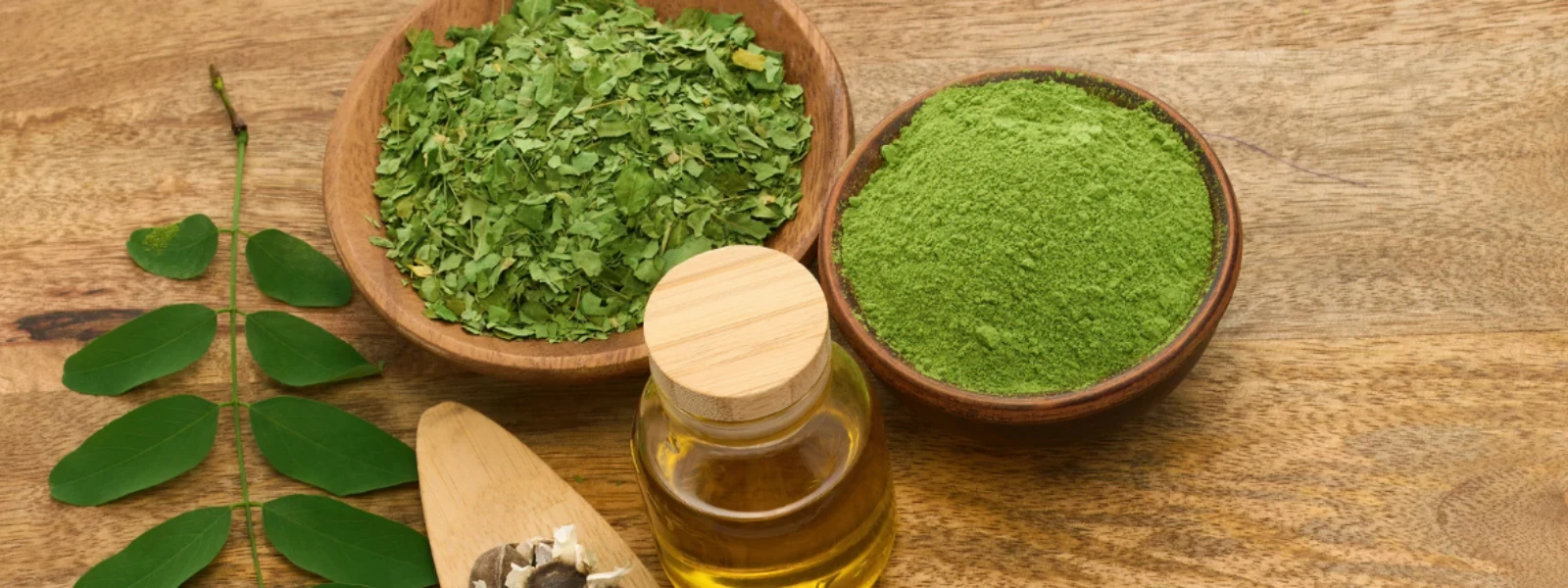


Two ancient powerhouses from Ayurveda—ashwagandha and shilajit—have captured modern attention for their remarkable health benefits. Both adaptogens promise stress relief, energy enhancement, and overall wellness support, but which is better ashwagandha or shilajit for your specific health goals?
This comprehensive guide examines the science behind these time-tested supplements, comparing their unique benefits, optimal dosages, and practical applications. You'll discover how each works in your body, when to choose one over the other, and whether combining them might amplify their effects. Whether you're seeking natural energy boosters, adaptogens for stress, or herbal supplements for gut health, understanding these differences will help you make an informed decision.
Ashwagandha (Withania somnifera), often called "Indian winter cherry," is a small shrub with yellow flowers native to India and North Africa. The root and berry extracts contain bioactive compounds called withanolides, which give ashwagandha its adaptogenic properties.
This herb works by modulating your body's stress response system, particularly the hypothalamic-pituitary-adrenal (HPA) axis. Research shows it can reduce cortisol levels by up to 30% in chronically stressed individuals, making it one of the most studied adaptogens for stress management.
Shilajit is a sticky, tar-like substance that forms over centuries from the decomposition of plant matter in mountain rocks, primarily in the Himalayas. This mineral-rich resin contains over 80 minerals in ionic form, along with fulvic acid as its primary active component.
Unlike plant-based adaptogens, shilajit works at the cellular level by supporting mitochondrial function—the powerhouses of your cells. Its fulvic acid content enhances nutrient absorption and acts as a natural electrolyte, making it particularly effective as a natural energy booster.
Both substances hold revered positions in Ayurveda, the traditional Indian system of medicine. Ashwagandha has been used for over 3,000 years as a "rasayana" (rejuvenative tonic) to enhance vitality and longevity. Ancient texts describe it as an herb that "gives the strength of a horse."
Shilajit, known as "destroyer of weakness" in Sanskrit, was traditionally reserved for royalty and considered a panacea for various ailments. The benefits of ayurveda recognize both as essential tools for maintaining optimal health and preventing disease.
Clinical studies demonstrate ashwagandha's remarkable ability to reduce stress and anxiety. A 2019 study published in Medicine found that participants taking 300mg of ashwagandha extract twice daily experienced significant reductions in stress levels and improved quality of life scores.
The herb's withanolides help normalize cortisol patterns, reducing both elevated morning cortisol and supporting healthy evening decline. This makes ashwagandha particularly beneficial for people dealing with chronic stress or adrenal fatigue.
While ashwagandha doesn't provide immediate energy like caffeine, it enhances sustained vitality by supporting adrenal function and improving sleep quality. Users often report feeling more energetic and resilient after 4-6 weeks of consistent use.
Research indicates ashwagandha benefits extend to brain health, with studies showing improvements in attention, information processing speed, and executive function. The herb's neuroprotective properties may also support long-term cognitive health.
Ashwagandha's calming effects naturally promote better sleep. Studies show it can reduce the time needed to fall asleep and improve overall sleep quality, making it valuable for those struggling with stress-related insomnia.
Shilajit's primary strength lies in its ability to enhance mitochondrial function. The fulvic acid in shilajit helps transport nutrients into cells more efficiently and supports the production of adenosine triphosphate (ATP), your body's primary energy currency.
This cellular-level energy support makes shilajit particularly effective for physical performance and combating fatigue. Unlike stimulants that provide temporary energy spikes, shilajit benefits include sustained energy enhancement at the cellular level.
Athletes and fitness enthusiasts often turn to shilajit for its performance-enhancing properties. Studies show it can improve exercise capacity, reduce fatigue, and support faster recovery between training sessions.
The mineral complex in shilajit provides powerful antioxidant protection against cellular damage. Its fulvic acid content helps neutralize free radicals and may slow certain aspects of the aging process at the cellular level.
Shilajit acts as a natural bioenhancer, improving the absorption of other nutrients and supplements. This makes it valuable as one of the herbal supplements for gut health, particularly for people with digestive issues or nutrient deficiencies.
Did You Know?
Shilajit contains over 80 minerals in ionic form, making it one of the most mineral-dense natural substances on Earth. Its fulvic acid content can enhance the bioavailability of other nutrients by up to 60%.
The fundamental difference between these adaptogens lies in how they work. Ashwagandha primarily targets your stress response system, working through the HPA axis to normalize cortisol and support nervous system function.
Shilajit operates at the cellular level, enhancing mitochondrial function and improving nutrient utilization. This makes it more directly focused on physical energy and performance rather than stress management.
Choose ashwagandha if you're dealing with chronic stress, anxiety, sleep issues, or need support for mental clarity and focus. It's particularly beneficial for people with demanding lifestyles who need help managing stress-related symptoms.
Opt for shilajit if your primary goals include increasing physical energy, enhancing exercise performance, supporting healthy aging, or improving nutrient absorption. It's ideal for athletes, older adults, or anyone experiencing physical fatigue.
Ashwagandha typically requires 4-8 weeks of consistent use to show significant benefits, as it works by gradually rebalancing your stress response system. Some users may notice improved sleep quality within the first week.
Shilajit often provides more immediate effects, with some users reporting increased energy within days to weeks. However, its full benefits for cellular health and anti-aging may take several months to manifest.
Standard ashwagandha dosage ranges from 300-600mg of standardized extract daily, typically divided into two doses. For stress management, most studies use 300mg twice daily with meals.
Beginners should start with 150-300mg daily and gradually increase based on tolerance and desired effects. Take ashwagandha with food to improve absorption and reduce potential stomach upset.
The typical shilajit dosage ranges from 200-500mg daily, preferably taken on an empty stomach for optimal absorption. Start with 200mg daily and adjust based on your body's response.
Quality matters significantly with shilajit. Look for purified, standardized extracts that specify fulvic acid content. Avoid raw or unpurified forms that may contain heavy metals or contaminants.
Both supplements can be used long-term, but some practitioners recommend cycling protocols. Consider taking breaks every 3-6 months to prevent tolerance and maintain effectiveness.
Ashwagandha indirectly supports gut health by reducing stress-related digestive issues. Chronic stress can disrupt gut bacteria balance and increase intestinal permeability. By managing stress hormones, ashwagandha helps maintain a healthier gut environment.
Shilajit's fulvic acid content acts as a prebiotic, supporting beneficial bacteria growth in your digestive system. It also enhances the absorption of nutrients from food and other gut health supplements, making it a valuable addition to digestive wellness protocols.
Both adaptogens work synergistically with probiotics, digestive enzymes, and other gut-supporting nutrients. Shilajit's bioenhancing properties can improve the effectiveness of other supplements in your regimen.
Combining ashwagandha and shilajit can provide comprehensive wellness support, addressing both stress management and cellular energy simultaneously. Their different mechanisms of action complement each other without competing for the same pathways.
When using both supplements, consider taking ashwagandha with meals (morning and evening) and shilajit on an empty stomach in the morning. This timing optimizes absorption while minimizing potential interactions.
Start with lower doses of each when combining, allowing your body to adjust gradually. Monitor your response and adjust dosages based on your individual needs and tolerance.
Ashwagandha is superior for direct stress relief as it specifically targets cortisol regulation and the stress response system. Shilajit may help with stress indirectly by improving energy levels and overall vitality.
Yes, both supplements are generally safe for beginners when used at recommended dosages. Start with lower amounts and gradually increase while monitoring your body's response. Consult healthcare providers if you have existing health conditions.
Shilajit may provide energy benefits within days to weeks, while ashwagandha typically requires 4-8 weeks for significant stress-related improvements. Individual responses vary based on health status and consistency of use.
Both supplements may interact with certain medications, particularly those for blood sugar, blood pressure, and thyroid conditions. Always consult your healthcare provider before starting any new supplement regimen.
Ashwagandha is generally more affordable and widely available. High-quality shilajit tends to be more expensive due to its limited sources and purification requirements. Consider your specific health goals when evaluating cost-effectiveness.
The choice between ashwagandha and shilajit ultimately depends on your specific health goals and needs. Ashwagandha excels at stress management, sleep improvement, and mental clarity, while shilajit shines for physical energy, cellular health, and nutrient absorption. Both offer unique benefits rooted in thousands of years of traditional use and supported by modern research. Consider your primary health concerns, budget, and lifestyle when making your decision. Many people find that combining these powerful adaptogens provides comprehensive wellness support, addressing both stress management and energy enhancement simultaneously.



