Collagen Supplements: Safety vs. Natural Sources
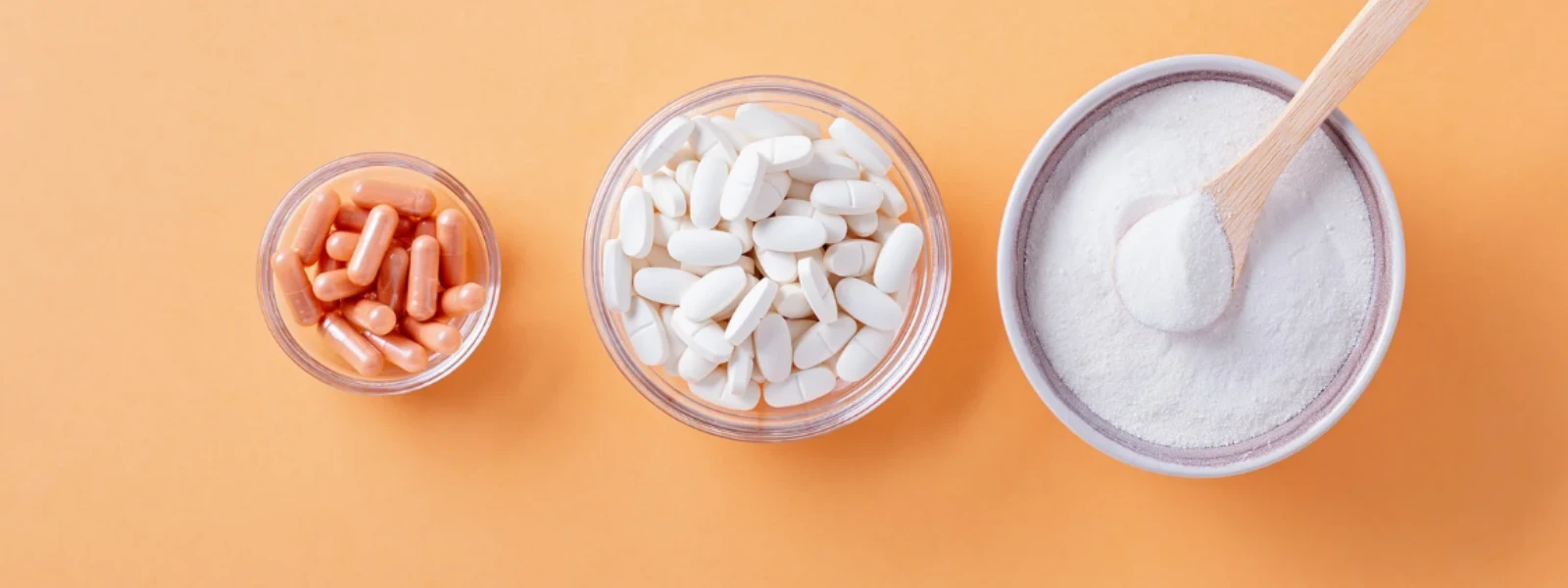


The global collagen supplement market has exploded to $7.5 billion, with millions of people adding these powders and pills to their daily routines. Yet many consumers remain confused about whether collagen supplements are safe and how they compare to getting collagen from natural food sources. This comprehensive guide examines the scientific evidence behind collagen supplement safety, explores potential risks and benefits, and helps you make an informed decision about whether these popular supplements belong in your wellness routine.
Research shows that collagen supplements are generally safe for most healthy adults when taken as directed. Multiple clinical studies have demonstrated minimal adverse effects from hydrolyzed collagen supplementation over periods ranging from 4 to 24 weeks.
The FDA classifies hydrolyzed collagen as "Generally Recognized as Safe" (GRAS), meaning it has a long history of safe use in food products. Most studies support daily doses between 2.5 to 15 grams, with the majority of participants experiencing no significant side effects.
Hydrolyzed collagen safety stems from its processing method. During hydrolysis, collagen proteins are broken down into smaller peptides that are easier for your body to absorb and utilize. This process also removes many potential allergens and contaminants found in whole collagen sources.
However, it's important to note that dietary supplements aren't regulated as strictly as medications. This means quality can vary significantly between brands, making third-party testing and reputable manufacturers crucial for safety.
While most people tolerate collagen supplements well, some may experience mild collagen side effects. The most commonly reported issues include digestive discomfort, such as stomach upset, bloating, or heartburn. These symptoms typically occur when starting supplementation and often resolve as your body adjusts.
Allergic reactions, though rare, can occur in people sensitive to the collagen source. Marine collagen may trigger reactions in those with fish or shellfish allergies, while bovine collagen could affect individuals with beef sensitivities.
Some people also report an unpleasant taste or aftertaste, particularly with lower-quality supplements that haven't been properly processed or flavored.
Certain groups should consult healthcare providers before starting collagen supplements. Pregnant and breastfeeding women should avoid supplementation due to limited safety data in these populations.
People with kidney or liver conditions need medical supervision, as their bodies may process proteins differently. Those with gout or other conditions requiring protein restriction should also seek professional guidance.
Additionally, individuals taking blood-thinning medications should discuss collagen supplement interactions with their healthcare provider, as some studies suggest potential effects on blood clotting.
Different types of collagen supplements carry varying safety considerations. Marine collagen, derived from fish skin and scales, generally shows excellent safety profiles and high bioavailability. However, it poses risks for those with seafood allergies.
Bovine collagen, sourced from cow hides and bones, is widely studied and considered safe for most people. Quality sourcing is crucial here, as grass-fed, hormone-free cattle provide the safest options.
Collagen peptides risks are generally minimal when products undergo proper processing and testing. The peptide form offers better absorption than whole collagen proteins, reducing the likelihood of digestive issues.
Expert Insight
Clinical studies consistently show that hydrolyzed collagen peptides have a superior safety profile compared to whole collagen proteins, with absorption rates up to 90% and minimal reported adverse effects across diverse populations.
Plant-based collagen alternatives, while not true collagen, provide amino acids that support natural collagen production. These options suit vegans and those with animal protein sensitivities, though they may be less effective than direct collagen supplementation.
Collagen supplements benefits are well-documented in scientific literature. Studies show improvements in skin elasticity, hydration, and wrinkle reduction after 8-12 weeks of consistent use. Joint health research indicates reduced pain and improved mobility in people with osteoarthritis.
Emerging research on collagen for gut health suggests potential benefits for intestinal barrier function and digestive comfort, though more studies are needed to confirm these effects.
However, potential risks include contamination with heavy metals or other toxins if products aren't properly tested. Some cheaper supplements may contain fillers or artificial additives that could cause adverse reactions.
The cost-benefit analysis also matters. High-quality collagen supplements can be expensive, and results aren't guaranteed for everyone due to individual variations in absorption and metabolism.
Selecting best collagen supplements requires careful attention to safety markers. Look for products with third-party testing certificates that verify purity and potency. Reputable manufacturers provide certificates of analysis showing heavy metal testing, microbiological safety, and accurate labeling.
Regarding collagen dosage, most research supports 2.5 to 15 grams daily, depending on your goals. Skin benefits typically appear with 2.5-5 grams daily, while joint support may require 8-12 grams.
Timing affects collagen absorption. Taking supplements on an empty stomach may improve absorption, though some people tolerate them better with food to minimize digestive discomfort.
Always check for potential interactions if you take medications. While generally safe, collagen supplements may affect how your body processes certain drugs.
Natural collagen sources include bone broth, fish with skin, chicken with skin, and organ meats. These foods provide collagen along with other beneficial nutrients like minerals and vitamins.
However, getting therapeutic amounts of collagen from food alone can be challenging. A cup of bone broth typically contains only 6-12 grams of collagen, and the bioavailability may be lower than hydrolyzed supplements.
Supporting your body's natural collagen production through Vitamin C-rich foods, adequate protein intake, and lifestyle factors like sun protection and not smoking may be equally important as direct collagen consumption.
Supplements make sense when dietary sources are insufficient, inconvenient, or when you have specific therapeutic goals that require consistent, measured doses.
For healthy individuals, collagen supplements are generally safe for liver and kidney function. However, people with existing liver or kidney conditions should consult their healthcare provider before starting supplementation, as these organs process proteins and any additional protein load should be medically supervised.
Most people experience no side effects from collagen supplements. When side effects do occur, they're typically mild and include digestive discomfort, bloating, or an unpleasant taste. Allergic reactions are rare but possible, especially in people sensitive to the collagen source.
Yes, daily collagen supplementation is considered safe for most healthy adults when following recommended dosages. Clinical studies have shown no adverse effects from daily use over periods of 6 months or longer.
Most studies show initial improvements in skin hydration and elasticity after 4-6 weeks of consistent use. Joint health benefits may take 8-12 weeks to become noticeable. Individual results vary based on age, overall health, and dosage.
Avoid taking collagen supplements if you have known allergies to the source material. Don't exceed recommended dosages, and be cautious about combining with blood-thinning medications. Always choose third-party tested products to avoid contaminated supplements.
Collagen supplements are generally safe for most healthy adults when chosen carefully and used as directed. The key lies in selecting high-quality, third-party tested products from reputable manufacturers and following appropriate dosage guidelines. While natural food sources provide valuable nutrients, supplements offer a convenient way to achieve therapeutic collagen intake for specific health goals. Remember that individual responses vary, and consulting with a healthcare provider is always wise, especially if you have underlying health conditions or take medications. Whether you choose supplements or focus on natural sources, supporting your body's collagen production through a balanced diet, adequate Vitamin C intake, and healthy lifestyle choices remains fundamental to achieving optimal results.



