Fruits for Immunity: Your Complete Guide to Health
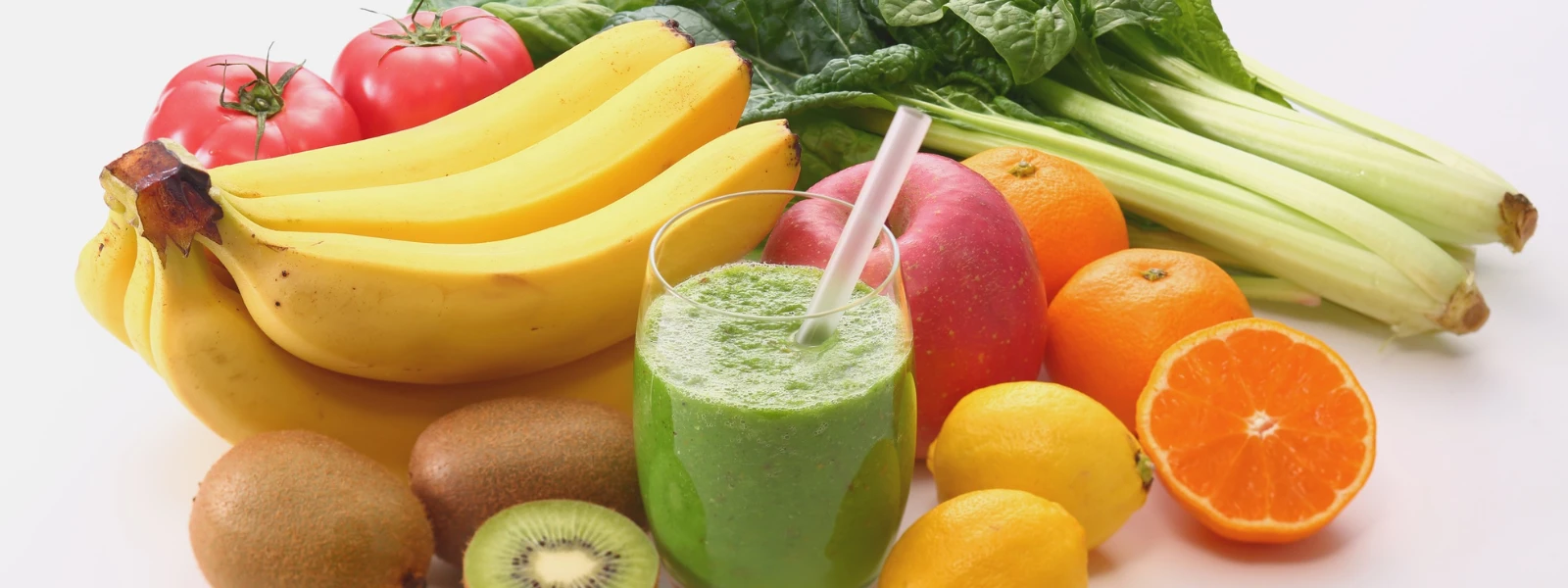


Your immune system works around the clock to protect you from countless threats. While genetics play a role, the foods you eat significantly influence how well your body defends itself. Among all food groups, fruits stand out as nature's most powerful immune allies, packed with vitamins, antioxidants, and bioactive compounds that strengthen your body's natural defenses.
Research shows that people who consume adequate amounts of fruits for immunity experience fewer infections and recover faster when illness strikes. The secret lies in the unique combination of nutrients that work together to support immune function at the cellular level.
This guide explores the science behind how fruits boost immunity, identifies the most effective immune boosting fruits, and provides practical strategies to maximize their benefits. You'll discover which fruits deliver the highest concentrations of immune-supporting nutrients and learn how to incorporate them into your daily routine for optimal health protection.
Your immune system relies on a complex network of cells, tissues, and organs working together. Antioxidant rich fruits provide the raw materials your body needs to maintain this sophisticated defense system.
Free radicals constantly attack your immune cells, weakening their ability to fight infections. Antioxidants in fruits neutralize these harmful molecules before they cause damage. Studies published in the Journal of Nutrition demonstrate that people with higher fruit intake have stronger immune responses and lower inflammatory markers.
Vitamin C stimulates the production and function of white blood cells, your body's primary infection fighters. It also helps these cells move more effectively to infection sites. Fruits high in Vitamin C provide this essential nutrient in forms your body absorbs more readily than synthetic supplements.
Approximately 70% of your immune system resides in your gut. The fiber in fruits feeds beneficial bacteria that produce compounds supporting immune function. This explains why gut health fruits play such a crucial role in overall immunity.
Did You Know?
A single kiwi fruit contains more Vitamin C than most people consume in an entire day from other sources. This small fruit delivers 92.7 mg of Vitamin C, exceeding the daily recommended intake for adults.
Not all fruits provide equal immune benefits. The best fruits for immune system support contain specific combinations of nutrients that work synergistically to strengthen your defenses.
Oranges, grapefruits, lemons, and limes top the list of fruits high in Vitamin C. A medium orange provides 70 mg of Vitamin C, while a grapefruit delivers 88 mg. These fruits also contain flavonoids that enhance Vitamin C absorption and provide additional anti-inflammatory benefits.
The white pith beneath citrus peels contains pectin, a prebiotic fiber that supports gut health. Including some pith when eating citrus fruits maximizes their immune benefits.
Blueberries contain anthocyanins, powerful antioxidants that protect immune cells from oxidative stress. Research in the American Journal of Clinical Nutrition shows that regular berry consumption reduces upper respiratory infection rates by up to 40%.
Strawberries provide both Vitamin C and folate, essential for immune cell production. Raspberries offer additional fiber that supports gut health, while cranberries contain proanthocyanidins that prevent harmful bacteria from adhering to cell walls.
Papaya combines high Vitamin C content with digestive enzymes that support gut health. The enzyme papain helps break down proteins, reducing digestive stress and allowing your immune system to focus on protection rather than digestion.
Guava contains the highest Vitamin C concentration of any common fruit, with 228 mg per cup. This tropical fruit also provides lycopene, an antioxidant that supports immune cell function.
Your digestive system serves as your body's first line of defense against pathogens. Gut health fruits support this crucial barrier while nourishing beneficial bacteria that communicate directly with immune cells.
Apples contain pectin, a soluble fiber that feeds beneficial gut bacteria. These bacteria produce short-chain fatty acids that strengthen the intestinal barrier and regulate immune responses. Bananas provide resistant starch, another prebiotic that supports gut health.
Pineapple contains bromelain, an enzyme that aids protein digestion and reduces inflammation. This tropical fruit helps maintain digestive balance, allowing your immune system to function optimally.
Kiwi fruit provides both soluble and insoluble fiber, supporting regular digestion and maintaining healthy gut bacteria populations. Studies show that people who eat kiwi regularly have more diverse gut microbiomes, associated with stronger immune function.
Environmental toxins can overwhelm your immune system, reducing its effectiveness. Detox fruits support your body's natural cleansing processes, allowing your immune system to focus on protection.
Your liver processes toxins that could otherwise compromise immune function. Grapefruit contains compounds that support liver detoxification enzymes. The fruit's bitter compounds stimulate bile production, essential for eliminating fat-soluble toxins.
Lemons provide citric acid and limonene, compounds that support liver function and enhance the body's natural detoxification processes. Starting your day with lemon water helps activate these cleansing mechanisms.
Chronic inflammation weakens immune responses over time. Fruits for inflammation contain compounds that help regulate inflammatory pathways. Cherries provide anthocyanins that reduce inflammatory markers, while pomegranates contain punicalagins that protect against oxidative stress.
Understanding how to consume fruits for optimal immune support ensures you receive maximum benefits from these natural powerhouses.
Eating fruits on an empty stomach enhances nutrient absorption. Combining Vitamin C-rich fruits with iron-containing foods increases iron absorption, supporting immune cell production. Pairing berries with healthy fats helps absorb fat-soluble vitamins and antioxidants.
Fresh fruits provide the highest nutrient content, but frozen fruits retain most of their immune-supporting compounds. Avoid overcooking fruits, as heat destroys heat-sensitive vitamins like Vitamin C. Gentle steaming or light sautéing preserves more nutrients than boiling.
Eating fruits with their skins increases fiber intake and provides additional antioxidants concentrated in the peel. Always wash fruits thoroughly to remove potential contaminants while preserving beneficial compounds.
Citrus fruits, berries, and tropical fruits like guava and kiwi offer the highest concentrations of immune-supporting nutrients. Combining different types ensures you receive a broad spectrum of beneficial compounds.
Aim for 2-3 servings of fruit daily, focusing on variety rather than quantity. One serving equals a medium apple, half a cup of berries, or one small orange. This amount provides adequate nutrients without excessive sugar intake.
Excessive fruit consumption can lead to blood sugar spikes that temporarily suppress immune function. Stick to recommended portions and pair fruits with protein or healthy fats to stabilize blood sugar levels.
Focus on Vitamin C-rich options like citrus fruits, kiwi, and strawberries. Add elderberries for their antiviral properties and cranberries for their infection-fighting compounds. These fruits provide targeted support during high-risk periods.
Organic fruits may contain higher antioxidant levels and avoid pesticide residues that could burden your immune system. However, conventionally grown fruits still provide significant immune benefits and are better than no fruit consumption.
Incorporating a variety of immune-supporting fruits into your daily routine provides your body with essential nutrients for optimal defense against illness. From Vitamin C-rich citrus fruits to antioxidant-packed berries, nature offers powerful tools to strengthen your immune system naturally. Remember that consistency matters more than perfection – even small daily improvements in fruit consumption can yield significant immune benefits over time. Consider exploring comprehensive wellness approaches that combine proper nutrition with targeted supplementation to support your overall health journey.



