How Prebiotics Boost Digestive Regularity Naturally
Your conversation will appear here...


Your digestive system works around the clock, but sometimes it needs a gentle nudge to maintain regularity. While many people reach for quick fixes when constipation strikes, science reveals a more sustainable approach: prebiotics. These specialized fibers don't just provide temporary relief—they work with your body's natural processes to create lasting digestive harmony.
Understanding how prebiotics support digestive regularity can transform your approach to gut health. Rather than masking symptoms, prebiotics address the root cause by nourishing the beneficial bacteria that keep your digestive system running smoothly. This comprehensive guide explores the science behind prebiotic benefits and practical strategies for incorporating them into your daily routine.
Prebiotics are specialized plant fibers that act as food for the beneficial bacteria living in your gut. Unlike probiotics, which introduce new bacteria to your system, prebiotics feed the healthy microbes already present in your digestive tract. This distinction matters because a well-fed microbiome is essential for maintaining digestive regularity.
When you consume prebiotic-rich foods, these fibers travel through your small intestine largely intact. They reach your colon where beneficial bacteria ferment them, producing short-chain fatty acids like butyrate, acetate, and propionate. These compounds serve multiple functions that directly impact digestive regularity.
Research published in the American Journal of Clinical Nutrition demonstrates that prebiotics for constipation work through several mechanisms. The fermentation process creates beneficial byproducts that stimulate intestinal contractions, helping move waste through your system more efficiently.
Short-chain fatty acids also help maintain the proper pH balance in your colon, creating an environment where harmful bacteria struggle to thrive while beneficial species flourish. This bacterial balance directly influences stool formation and transit time through your digestive tract.
The increased bacterial activity from prebiotic consumption also draws water into the colon, naturally softening stool and making elimination more comfortable. This gentle mechanism explains why prebiotics provide sustainable relief without the harsh effects associated with some conventional laxatives.
The advantages of incorporating prebiotics into your routine extend far beyond occasional constipation relief. Regular prebiotic consumption supports comprehensive digestive wellness through multiple pathways.
Enhanced bowel movement frequency represents the most obvious benefit, but prebiotics also improve stool consistency. Many people notice their elimination becomes more predictable and comfortable within weeks of increasing prebiotic intake.
Bloating relief often accompanies improved regularity as prebiotics help reduce gas-producing bacteria while promoting species that support efficient digestion. The fermentation process, when balanced properly, produces less uncomfortable gas than when harmful bacteria dominate your gut environment.
Did You Know?
Studies show that consuming 5-10 grams of prebiotic fiber daily can increase beneficial bacteria populations by up to 10-fold within just two weeks, leading to measurable improvements in digestive regularity.
Improved nutrient absorption represents another significant advantage. When your gut bacteria are well-fed and balanced, they produce enzymes that help break down food more effectively. This enhanced digestion means your body can extract more vitamins and minerals from the foods you eat.
Prebiotics also strengthen your intestinal barrier function, reducing inflammation that can interfere with normal digestive processes. A healthy gut lining prevents harmful substances from entering your bloodstream while maintaining proper nutrient transport.
While natural laxatives like prunes or senna provide quick relief, prebiotics offer a fundamentally different approach. Rather than forcing bowel movements through stimulation or bulk, prebiotics work with your body's existing systems to restore natural function.
This gentle approach means you're less likely to experience the cramping or urgency that sometimes accompanies other natural laxatives. More importantly, prebiotics help build long-term digestive resilience rather than creating dependency on external interventions.
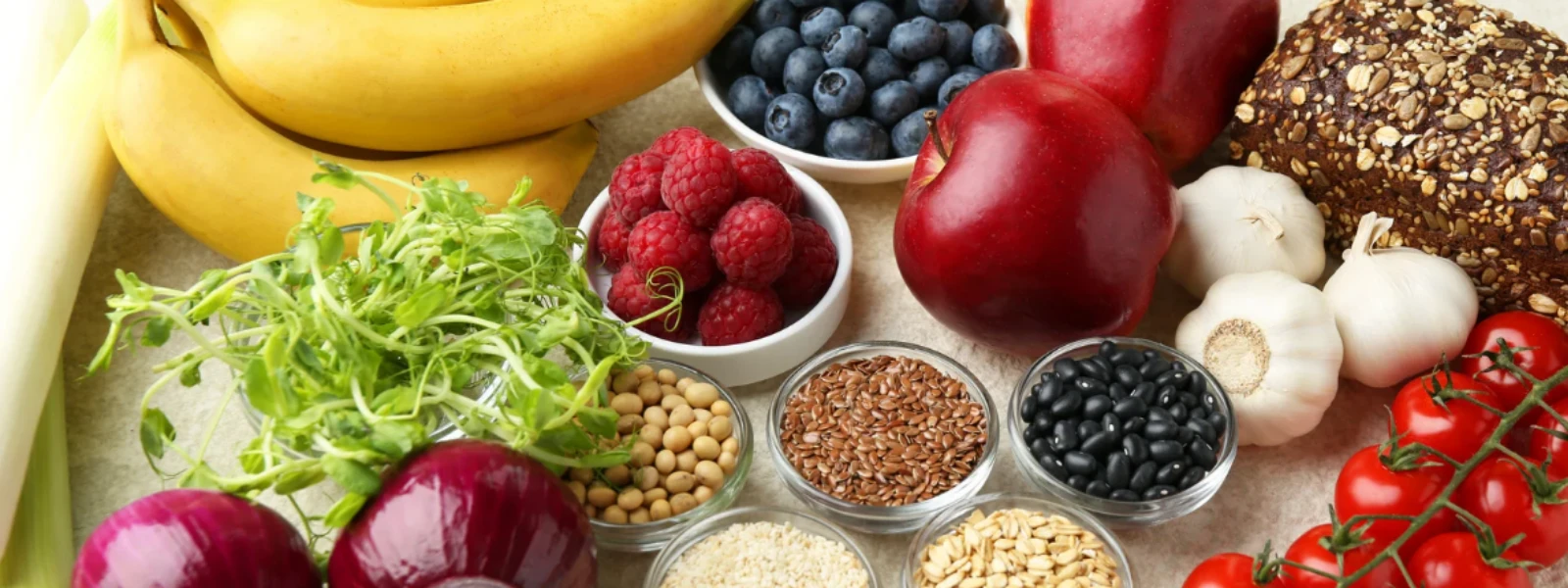
Incorporating prebiotic-rich foods into your diet provides the most natural way to support digestive regularity. These foods contain various types of prebiotic fibers, each offering unique benefits for gut health.
Chicory root contains the highest concentration of inulin, a powerful prebiotic fiber. You can find chicory root in coffee substitutes or consume Jerusalem artichokes, which provide similar benefits in a more palatable form.
Garlic and onions offer prebiotic compounds called fructo oligosaccharides (FOS). These vegetables are easy to incorporate into daily cooking and provide additional antimicrobial benefits that support overall gut health.
Bananas, particularly when slightly green, contain resistant starch that functions as a prebiotic. This makes them an excellent choice for people who experience digestive sensitivity with other high-fiber foods.
Asparagus provides inulin along with other beneficial compounds that support liver function, creating a natural detox effect that complements digestive health improvements.
Oats and barley contain beta-glucan, a type of soluble fiber that feeds beneficial bacteria while also supporting heart health and blood sugar regulation.
Start your day with oatmeal topped with sliced banana and a sprinkle of ground flaxseed. This combination provides multiple types of prebiotic fiber to support diverse bacterial populations.
Include garlic and onions in your lunch and dinner preparations. Roasted vegetables, stir-fries, and soups offer delicious ways to increase your prebiotic intake without dramatically changing your eating habits.
Gradually increase your prebiotic consumption to allow your digestive system to adapt. Begin with smaller portions and slowly work up to the recommended 25-35 grams of total fiber daily, with at least 5-10 grams coming from prebiotic sources.
The concept of gut cleanse has gained popularity, but prebiotics offer a gentler alternative to harsh detox protocols. Rather than shocking your system, prebiotics support your body's natural detoxification processes.
A prebiotic-focused approach to detox for gut health works by optimizing the bacterial populations responsible for processing waste and toxins. When beneficial bacteria thrive, they produce compounds that support liver function and help eliminate harmful substances more efficiently.
This natural detoxification occurs gradually as your microbiome rebalances. You might notice improvements in energy levels, skin clarity, and overall well-being as your digestive system becomes more efficient at processing and eliminating waste.
Improved bowel movement patterns represent the first sign that prebiotics are supporting your digestive health. You should notice more regular, comfortable elimination within 1-2 weeks of consistent prebiotic consumption.
Reduced bloating and abdominal discomfort often follow as bacterial populations shift toward more beneficial species. This change typically becomes noticeable within 2-3 weeks of dietary modifications.
Enhanced energy levels may develop as your gut becomes more efficient at nutrient absorption and waste elimination. Many people report feeling lighter and more energetic as their digestive function improves.
The timeline for experiencing benefits from prebiotics varies among individuals, but most people notice initial improvements within 1-4 weeks. Several factors influence how quickly you'll see results, including your current gut health status, diet quality, and consistency of prebiotic intake.
People with severely compromised gut health may need longer to see significant changes, while those with minor digestive issues might experience relief within days. The key lies in consistent consumption and patience as your microbiome gradually rebalances.
Individual variation in bacterial populations also affects response time. Some people naturally harbor more diverse beneficial bacteria, allowing them to respond more quickly to prebiotic supplementation.
Consistency matters more than quantity when it comes to prebiotic consumption. Regular daily intake of moderate amounts proves more effective than sporadic large doses, which can cause digestive discomfort.
Combining prebiotics with adequate hydration enhances their effectiveness. Water helps the fermentation process and supports the movement of waste through your digestive system.
Avoid common mistakes like introducing too many prebiotic foods too quickly. This approach can lead to excessive gas and bloating, potentially discouraging continued use despite the long-term benefits.
When comparing prebiotics for constipation with other approaches, consider both immediate needs and long-term goals. Prebiotics excel at creating sustainable improvements in digestive function, while other solutions may provide faster but temporary relief.
Probiotic supplements introduce new bacteria to your system, but without adequate prebiotic fiber to feed them, these beneficial microbes may not establish permanent colonies. Combining prebiotics with probiotics often provides the most comprehensive approach to gut health.
Fiber supplements can help with immediate constipation relief, but they don't provide the specific nutrients that beneficial bacteria need to thrive. Prebiotics offer both bulk-forming properties and bacterial nourishment in one package.
Prescription medications may be necessary for severe digestive issues, but prebiotics can often reduce the need for ongoing pharmaceutical intervention by addressing underlying bacterial imbalances.
Most people experience improved digestive regularity with consistent prebiotic consumption, though individual responses vary. People with certain digestive conditions like SIBO may need to work with healthcare providers to determine appropriate prebiotic types and amounts.
Some people experience mild gas or bloating when first increasing prebiotic intake. This typically resolves within a few days as your gut bacteria adapt. Starting with smaller amounts and gradually increasing consumption helps minimize initial discomfort.
Most research suggests 5-10 grams of prebiotic fiber daily provides optimal benefits for digestive regularity. This amount can come from food sources or supplements, depending on your dietary preferences and tolerance.
Food sources provide additional nutrients and fiber types that support overall health, making them preferable when possible. Supplements can be useful for people with limited dietary options or specific therapeutic needs, but whole foods offer more comprehensive benefits.
Prebiotics create lasting changes in your gut microbiome composition, promoting beneficial bacteria that continue supporting digestive function even after you stop consuming them. This makes prebiotics an investment in long-term digestive wellness rather than a temporary fix.
Prebiotics offer a scientifically-backed approach to improving digestive regularity that works with your body's natural processes rather than against them. By nourishing beneficial gut bacteria, these specialized fibers create lasting improvements in bowel function, bloating relief, and overall digestive comfort. The gentle, sustainable nature of prebiotic benefits makes them an ideal choice for people seeking long-term digestive wellness without the side effects associated with harsh laxatives or frequent medication use. Whether you choose to increase prebiotic-rich foods in your diet or explore targeted supplements, consistency and patience will reward you with improved digestive health that supports your overall well-being.



 DOWNLOAD NOW

