How to Clean Gut: Your Ultimate Detox Guide


Your gut houses trillions of bacteria that influence everything from your immune system to your mood. When this delicate ecosystem becomes imbalanced due to poor diet, stress, or lifestyle factors, it can lead to digestive discomfort, fatigue, and overall health issues. Understanding how to clean gut naturally can help restore this balance and support your body's natural detoxification processes.
This comprehensive guide will walk you through science-backed methods to cleanse your digestive system safely and effectively. You'll learn practical strategies to improve gut health, discover foods that support beneficial bacteria, and understand when professional guidance might be necessary for your gut health journey.
Your gut microbiome consists of trillions of microorganisms that play crucial roles in digestion, immune function, and even mental health. When harmful bacteria outnumber beneficial ones, it creates an imbalance called dysbiosis.
Common signs your gut needs attention include persistent bloating, irregular bowel movements, unexplained fatigue, frequent digestive discomfort, and food sensitivities. These symptoms often indicate that toxins and waste products aren't being eliminated efficiently.
The gut-brain connection means that poor digestive health can affect your mood, energy levels, and cognitive function. Research shows that approximately 70% of your immune system resides in your gut, making digestive health fundamental to overall wellness.
Poor dietary choices, processed foods, artificial additives, and chronic stress can disrupt your gut's natural balance. Environmental toxins and certain medications can also compromise digestive function, making a gentle gut cleanse beneficial for many people.
Fiber acts like a natural broom for your digestive system, helping sweep away waste and toxins. Soluble fiber feeds beneficial gut bacteria, while insoluble fiber adds bulk to stool and promotes regular bowel movements.
Excellent high-fiber foods include legumes like lentils and chickpeas, seeds such as chia and flaxseeds, nuts, and whole grains like quinoa and oats. These foods provide the foundation for a natural gut cleanse.
Vegetables like spinach, kale, broccoli, and cucumber offer both fiber and essential nutrients that support digestive health. Fruits such as apples, berries, and pears contain pectin, a type of soluble fiber that helps bind toxins for elimination.
Gradually increase your fiber intake by 5-10 grams per week to avoid bloating and gas. Start your day with a fiber-rich breakfast and include vegetables or fruits with each meal to support consistent digestive function.
Proper hydration is essential for effective gut cleansing. Water helps dissolve nutrients, transport waste products, and maintain the mucosal lining of your intestines.
Aim for 6-8 glasses of water daily, preferably warm or room temperature. Warm water can stimulate digestive enzymes and promote better circulation to digestive organs.
Adequate hydration softens stool, prevents constipation, and helps your kidneys filter toxins more effectively. Dehydration can slow down digestion and allow harmful substances to remain in your system longer.
Consider starting each day with a large glass of warm water to kickstart your digestive system and support your body's natural detoxification processes.
A saltwater flush can provide quick digestive stimulation, though it should be used cautiously and not as a regular practice. Mix 2 teaspoons of sea salt in 1 liter of warm water and drink it first thing in the morning on an empty stomach.
This method works by drawing water into your intestines, creating a laxative effect that helps eliminate waste. Results typically occur within 30 minutes to 2 hours.
People with high blood pressure, kidney disease, or heart conditions should avoid saltwater flushes. Pregnant women and individuals with digestive disorders should consult healthcare providers before attempting this method.
Fermented foods naturally contain beneficial probiotics that help restore balance to your gut microbiome. These living microorganisms compete with harmful bacteria and support digestive health.
Yogurt with live cultures, kefir, sauerkraut, kimchi, and miso provide diverse strains of beneficial bacteria. Each serving delivers millions of probiotics that can help improve gut health over time.
Aim for one serving of fermented foods daily to maintain a healthy population of beneficial bacteria. Choose products without added sugars or artificial preservatives for maximum benefit.
Did You Know?
Your gut contains more bacterial cells than human cells in your entire body. These microorganisms produce vitamins, regulate immune function, and even influence neurotransmitter production that affects your mood and mental clarity.
Prebiotics are non-digestible fibers that feed beneficial gut bacteria, helping them thrive and multiply. These foods create an environment where good bacteria can flourish while crowding out harmful microorganisms.
Resistant starches found in cooled potatoes, rice, and green bananas provide excellent prebiotic benefits. Flaxseeds, garlic, onions, and asparagus also contain compounds that nourish beneficial bacteria.
Include 2-3 servings of prebiotic foods daily to support your gut microbiome. Combining prebiotics with probiotics creates a synergistic effect that enhances digestive health.
Starting your day with gut-supporting beverages can enhance your body's natural detoxification processes. Warm lemon water stimulates digestive enzymes and provides Vitamin C for immune support.
Apple cider vinegar diluted in water may help balance stomach acid and support healthy digestion. Use 1-2 tablespoons in a glass of warm water, consumed 15-30 minutes before meals.
These morning rituals work best when consumed on an empty stomach, allowing the beneficial compounds to interact directly with your digestive system.
Begin your gut cleanse by eliminating processed foods, refined sugars, and artificial additives. Focus on whole foods like vegetables, fruits, lean proteins, and whole grains.
Start with increased water intake and introduce fiber gradually to avoid digestive discomfort. Include one serving of fermented foods and several servings of vegetables throughout the day.
Expect some initial changes in bowel movements as your digestive system begins to respond to increased fiber and hydration.
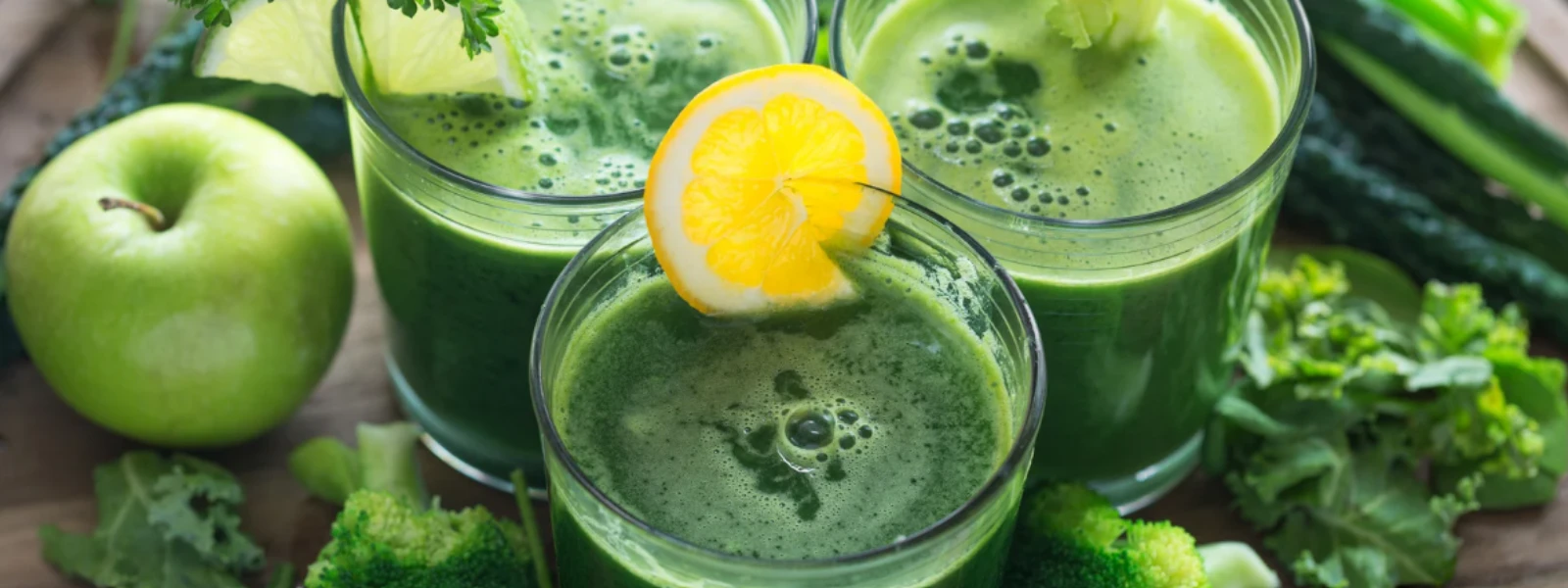
Continue with high-fiber foods while adding green smoothies or fresh vegetable juices to provide concentrated nutrients and enzymes. Include ingredients like spinach, cucumber, celery, and green apples.
Maintain consistent hydration and consider gentle herbal teas like ginger or peppermint to support digestion. Monitor your energy levels and adjust food intake as needed.
Some people experience temporary fatigue or mild digestive changes during this phase as the body eliminates accumulated waste.
Gradually reintroduce regular foods while maintaining the healthy habits you've established. Continue prioritizing fiber-rich foods, adequate hydration, and fermented foods.
Use this opportunity to identify foods that may cause digestive discomfort by reintroducing them slowly and monitoring your body's response.
Regular physical activity stimulates intestinal contractions, promoting healthy bowel movements and reducing transit time for waste elimination.
Yoga poses like child's pose, seated spinal twist, and cat-cow can specifically support digestive function by massaging internal organs and improving circulation.
Even simple activities like walking after meals can enhance digestion and prevent bloating. Aim for at least 30 minutes of moderate activity most days of the week.
Chronic stress disrupts the gut-brain connection, affecting digestive enzyme production and gut bacteria balance. High stress levels can slow digestion and increase inflammation.
Practice stress-reduction techniques like deep breathing, meditation, or gentle yoga to support both mental and digestive health. Consistent sleep schedules also help regulate digestive hormones.
Creating a calm eating environment and chewing food thoroughly can improve digestion and nutrient absorption while reducing digestive stress.
Eliminate processed foods, refined sugars, artificial sweeteners, and excessive caffeine during your gut cleanse. These substances can feed harmful bacteria and create inflammation in the digestive tract.
Avoid foods high in saturated fats, fried foods, and excessive alcohol, as they can slow digestion and burden your liver's detoxification processes.
Common gut irritants include gluten for sensitive individuals, dairy products if lactose intolerant, and highly spiced foods that may cause inflammation. Remove these gradually to prevent withdrawal symptoms.
Limit or eliminate foods with artificial preservatives, colors, and additives that can disrupt gut bacteria balance and interfere with natural detoxification processes.
High-quality supplements can support your gut cleanse when whole foods aren't sufficient. Look for products with superior ingredients, highly absorbable formats, and palatable flavors to ensure consistent use.
Fiber supplements can help bridge gaps in your diet, while probiotic supplements provide concentrated beneficial bacteria. Choose supplements that have been third-party tested for purity and potency.
Digestive enzymes may help break down foods more effectively, while herbal teas like ginger, peppermint, and chamomile can soothe digestive discomfort naturally.
Seek medical guidance if you experience severe abdominal pain, persistent diarrhea, blood in stool, or significant changes in bowel habits that last more than a few days.
People with chronic digestive conditions, autoimmune disorders, or those taking medications should consult healthcare providers before starting intensive gut cleanses.
Pregnant or breastfeeding women should avoid aggressive cleansing protocols and focus on gentle, food-based approaches to support digestive health.
Focus on increasing fiber intake through vegetables, fruits, and whole grains while staying well-hydrated. Include fermented foods daily and consider gentle morning rituals like warm lemon water to support natural detoxification processes.
Combine increased water intake with high-fiber foods, probiotics from fermented foods, and regular physical activity. Eliminate processed foods and focus on whole, nutrient-dense options that support digestive health.
While instant results aren't realistic or safe, drinking warm water with lemon or a small amount of apple cider vinegar can provide gentle digestive stimulation within 30-60 minutes.
Leafy greens, berries, apples, legumes, fermented foods like yogurt and sauerkraut, and prebiotic-rich foods like garlic and onions all support natural digestive cleansing.
Initial improvements may be noticed within 3-7 days, but significant gut microbiome changes typically take 2-4 weeks of consistent healthy habits to establish.
Cleaning your gut naturally involves a holistic approach that combines proper nutrition, adequate hydration, stress management, and lifestyle modifications. By focusing on fiber-rich foods, fermented products, and eliminating processed foods, you can support your body's natural detoxification processes safely and effectively. Remember that sustainable gut health comes from consistent daily habits rather than quick fixes. Start with small changes like increasing water intake and adding one fermented food to your daily routine, then gradually build upon these foundations. Your digestive system will thank you for the gentle, science-backed approach to gut health that supports long-term wellness and vitality.



