How to Clean Your Gut Naturally: A Complete Guide


Your gut plays a central role in your overall health, influencing everything from digestion and immunity to mood and energy levels. When your digestive system becomes sluggish or imbalanced, you might experience bloating, irregular bowel movements, fatigue, or even brain fog. The good news is that you can support your gut health naturally without resorting to harsh cleanses or extreme measures.
This comprehensive guide will walk you through science-backed methods to clean your gut naturally, helping you restore digestive balance and improve your overall well-being. You'll discover practical strategies, natural remedies, and sustainable habits that work with your body's natural processes to promote optimal gut health.
Natural gut cleansing focuses on supporting your body's inherent detoxification processes rather than forcing them through aggressive interventions. Unlike commercial cleanses that may disrupt your digestive balance, a natural approach works gently to restore harmony in your gut microbiome.
Your gut houses trillions of bacteria that form a complex ecosystem called the microbiome. When this ecosystem is balanced, it supports healthy digestion, nutrient absorption, and immune function. However, factors like poor diet, stress, medications, and environmental toxins can disrupt this balance, leading to digestive issues.
Signs that your gut may benefit from natural cleansing include persistent bloating, irregular bowel movements, frequent gas, food sensitivities, low energy, and even mood changes. These symptoms often indicate that your digestive system needs support to function optimally.
Research consistently shows that maintaining a healthy gut provides numerous benefits beyond just better digestion. Your gut houses approximately 80% of your immune system, making digestive health crucial for overall immunity and disease prevention.
The gut-brain connection, mediated by the vagus nerve and various neurotransmitters, means that gut health directly impacts mental well-being. Studies have linked improved gut health to better mood, reduced anxiety, and enhanced cognitive function.
A well-functioning digestive system also supports better nutrient absorption, ensuring your body can effectively utilize the vitamins, minerals, and other nutrients from your food. This improved absorption can lead to increased energy levels, better skin health, and enhanced overall vitality.
Additionally, a balanced gut microbiome helps regulate inflammation throughout the body, potentially reducing the risk of chronic diseases and supporting healthy weight management.
Dietary fiber acts as a natural cleanser for your digestive system, helping to sweep waste through your intestines while feeding beneficial gut bacteria. Aim for 25-35 grams of fiber daily from whole food sources.
Include a variety of fruits like apples, berries, and pears, which provide both soluble and insoluble fiber. Vegetables such as broccoli, Brussels sprouts, and leafy greens offer additional fiber along with important nutrients. Whole grains like oats, quinoa, and brown rice provide sustained energy while supporting digestive health.
Legumes including beans, lentils, and chickpeas are particularly beneficial, as they contain prebiotic fibers that specifically nourish beneficial gut bacteria. Start slowly when increasing fiber intake to allow your digestive system to adjust gradually.
Probiotics are live beneficial bacteria that help restore and maintain a healthy gut microbiome. Fermented foods provide these probiotics naturally while also offering additional nutrients and enzymes.
Include yogurt with live cultures, kefir, sauerkraut, kimchi, and kombucha in your diet regularly. These foods introduce beneficial bacteria while supporting the growth of existing healthy microbes in your gut.
When choosing probiotic foods, look for products with minimal added sugars and artificial ingredients. The diversity of probiotic strains is important, so include various fermented foods rather than relying on just one source.
Proper hydration is essential for healthy digestion and natural detoxification. Water helps dissolve nutrients, transport waste products, and maintain the mucosal lining of your intestines.
Aim for 2.5-3 liters of water daily, adjusting based on your activity level and climate. Drink water between meals rather than during eating to avoid diluting digestive enzymes.
Herbal teas can provide additional digestive support. Ginger tea helps stimulate digestion and reduce nausea, while peppermint tea can soothe digestive discomfort and reduce bloating.
Did You Know?
Your gut produces about 95% of your body's serotonin, the neurotransmitter responsible for mood regulation. This explains why gut health has such a significant impact on mental well-being and why people often refer to the gut as the "second brain."
Natural digestive enzymes help break down food more efficiently, reducing digestive stress and improving nutrient absorption. Papaya contains papain, an enzyme that helps digest proteins, while pineapple provides bromelain, which also supports protein digestion.
Other enzyme-rich foods include mango, kiwi, and raw honey. Consuming these foods with meals can enhance your body's natural digestive processes.
Starting your day with gut-supportive practices can set a positive tone for your entire digestive system. Warm lemon water upon waking helps stimulate digestive juices and supports liver function.
Apple cider vinegar diluted in water (1-2 tablespoons in 8 ounces of water) can help increase stomach acid production, which is essential for proper digestion. Always dilute apple cider vinegar to protect your tooth enamel.
Physical activity stimulates gut motility, helping food move through your digestive system more efficiently. Even gentle movement like walking after meals can improve digestion and reduce bloating.
Yoga poses that involve twisting or gentle compression of the abdomen can be particularly beneficial for digestive health. Regular exercise also helps reduce stress, which can negatively impact gut function.
Simple, natural drinks can provide gentle support for your digestive system without harsh ingredients or extreme measures.
A morning detox drink combining warm water, fresh lemon juice, and a pinch of ginger can help stimulate digestion and provide Vitamin C for immune support. This gentle combination works with your body's natural processes rather than forcing them.
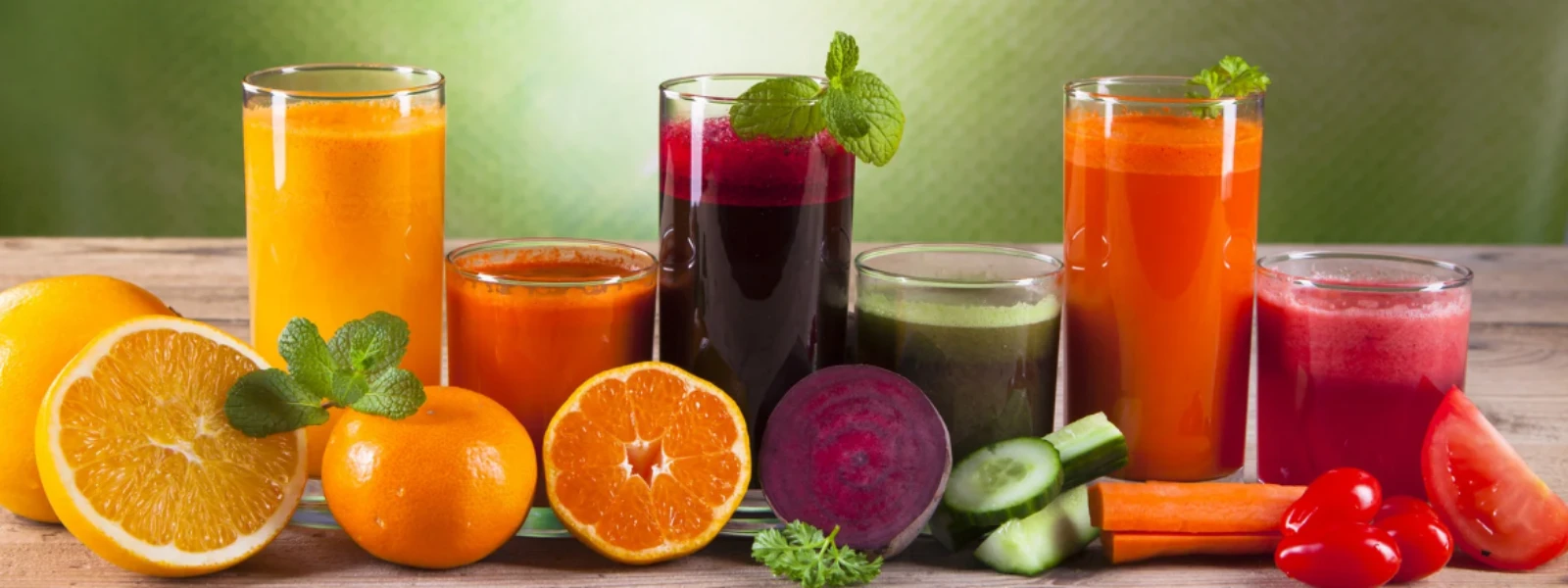
Green juices made from leafy greens, cucumber, celery, and a small amount of fruit provide nutrients while supporting natural detoxification. However, whole fruits and vegetables are generally preferable to juices for their fiber content.
Herbal teas like dandelion root tea support liver function, while chamomile tea can help reduce digestive inflammation and promote relaxation.
While focusing on adding beneficial foods, it's also important to reduce foods that may burden your digestive system. Highly processed foods often contain additives and preservatives that can disrupt gut bacteria balance.
Excessive sugar feeds harmful bacteria and yeast in the gut, potentially leading to imbalances. Artificial sweeteners may also negatively impact gut bacteria diversity.
Fried foods and inflammatory oils can increase digestive stress and inflammation. Instead, choose healthy fats from sources like avocados, nuts, seeds, and olive oil.
Consider reducing alcohol and excessive caffeine, as these can irritate the digestive tract and disrupt sleep, which is important for gut health recovery.
Natural gut cleansing is a gradual process that typically takes several weeks to months for significant improvements. You may notice some changes within a few days of implementing gut-healthy practices, but lasting improvements in gut microbiome balance usually require consistent effort over 4-12 weeks.
Always consult with your healthcare provider before making significant dietary changes, especially if you take medications. Some natural approaches may interact with certain medications or affect their absorption. Your doctor can provide personalized guidance based on your specific health situation.
Natural gut cleansing focuses on supporting your body's inherent detoxification processes through whole foods, hydration, and lifestyle changes. Commercial cleanses often use harsh ingredients or extreme restrictions that may disrupt your gut microbiome balance and aren't sustainable long-term.
Signs of improvement include more regular bowel movements, reduced bloating, increased energy, better mood, improved sleep quality, and fewer digestive discomforts. Keep a simple journal to track these changes over time.
The principles of natural gut cleansing - eating fiber-rich whole foods, staying hydrated, managing stress, and getting regular exercise - are actually healthy lifestyle practices that can be maintained indefinitely. Unlike extreme cleanses, these approaches support long-term health rather than providing temporary fixes.
Cleaning your gut naturally is about supporting your body's inherent wisdom rather than forcing dramatic changes. By incorporating fiber-rich foods, probiotics, adequate hydration, and mindful eating practices, you can help restore digestive balance and improve your overall well-being. Remember that sustainable gut health comes from consistent, gentle practices rather than extreme measures. The journey to better gut health is a marathon, not a sprint, and the benefits extend far beyond just improved digestion to encompass better immunity, mood, and energy levels.



