How to Use Liquorice in Tamil Traditional Medicine
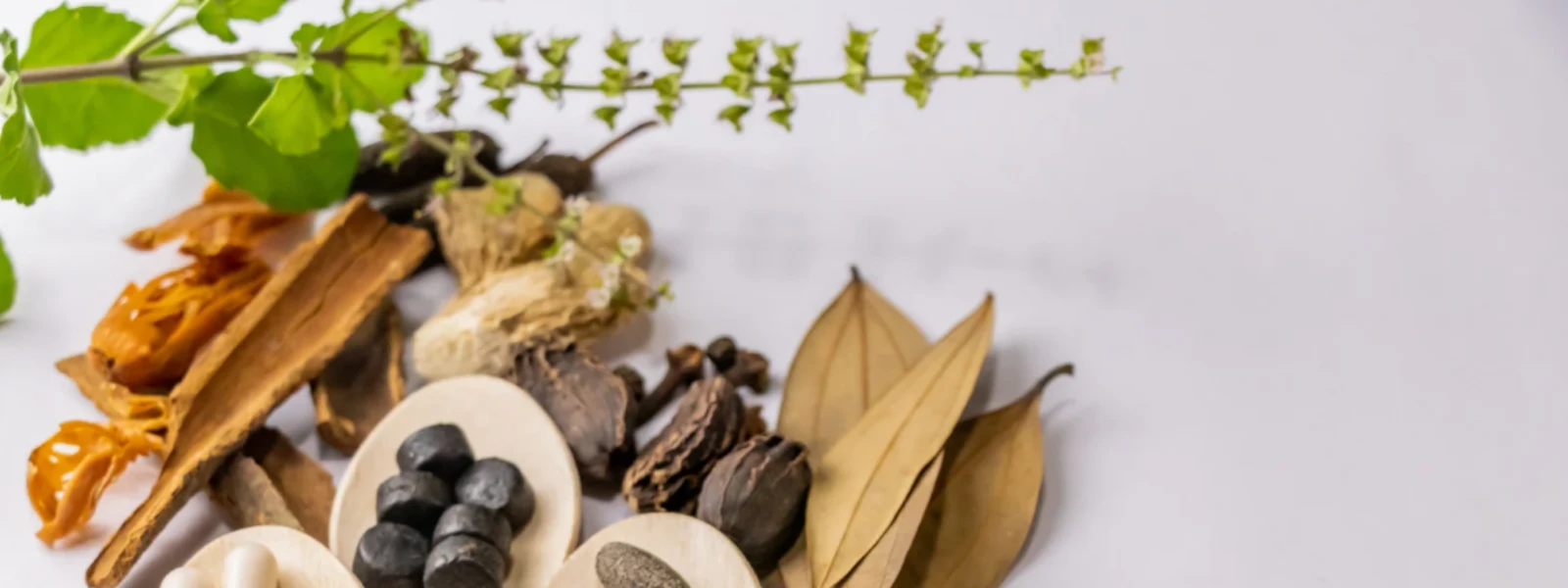


In Tamil households, the sweet root known as அதிமதுரம் (Athimathuram) has been a cornerstone of traditional healing for centuries. This remarkable herb, scientifically called Glycyrrhiza glabra, holds deep cultural significance in Tamil Siddha medicine and continues to be valued for its diverse therapeutic properties. From supporting digestive health to promoting natural detoxification, liquorice in Tamil medicine offers a time-tested approach to wellness that modern science is beginning to validate.
Understanding how to properly use Athimathuram can help you harness its benefits while respecting traditional wisdom and ensuring safe consumption. This comprehensive guide explores the traditional applications, preparation methods, and important safety considerations for incorporating this powerful herb into your wellness routine.
In Tamil culture, liquorice is known by several names, with அதிமதுரம் (Athimathuram) being the most commonly used term. The name literally translates to "extremely sweet," reflecting the root's naturally sweet taste that distinguishes it from other medicinal herbs. Other Tamil names include அதிங்கம் (Adhinkam) and மதுகம் (Madhugam), each highlighting different aspects of this versatile plant.
Tamil Siddha medicine has recognized liquorice root as a powerful healing agent for over 2,000 years. Ancient Tamil texts describe Athimathuram as a rasayana herb, meaning it promotes longevity and vitality. The sweet taste, according to Tamil medical principles, indicates its nourishing and building properties, making it particularly valuable for digestive health and overall wellness.
Traditional Tamil medicine practitioners distinguish between different forms of Athimathuram based on their intended use. Fresh liquorice root sticks are preferred for direct chewing, which helps with throat irritation and provides immediate relief for coughs. The dried root powder, on the other hand, is commonly used in herbal preparations, teas, and external applications for skin care.
Tamil traditional medicine has long recognized Athimathuram's exceptional benefits for digestive health. The herb's natural compounds help soothe the stomach lining and reduce inflammation in the digestive tract. Traditional practitioners recommend liquorice for managing acidity, stomach pain, and digestive discomfort.
The sweet compounds in Athimathuram, particularly glycyrrhizin, help protect the stomach lining from irritation while promoting healthy digestion. Tamil medicine texts describe how regular use of liquorice can help maintain the balance of digestive fire (agni) and support the body's natural healing processes.
In Tamil tradition, Athimathuram is considered one of the most effective natural detoxifying agents. The herb supports liver function and helps the body eliminate toxins through its natural cleansing properties. Traditional Tamil cleanse foods often include liquorice as a key ingredient to enhance the detoxification process.
Tamil medicine practitioners have historically used Athimathuram in combination with other herbs like turmeric and neem to create powerful detox formulations. These traditional preparations help purify the blood and support the body's natural elimination pathways.
Did You Know?
According to Tamil Siddha medicine, Athimathuram is classified as having a sweet taste and cooling energy, making it particularly beneficial for balancing excess heat in the body and supporting natural detoxification processes.
Tamil households have traditionally relied on Athimathuram for respiratory health support. The herb's natural expectorant properties help clear chest congestion and soothe irritated airways. For cough relief, Tamil tradition recommends chewing small pieces of liquorice root or preparing a warm tea with the powder.
A popular Tamil remedy involves boiling Athimathuram powder with milk and a pinch of turmeric for throat pain relief. This preparation not only soothes the throat but also provides nourishment and supports the immune system during illness.
Tamil traditional medicine has specific applications for Athimathuram in women's health. Nursing mothers have traditionally used liquorice to support healthy lactation, though this should only be done under proper guidance. The herb's hormone-balancing properties have also been recognized in traditional texts for supporting women's overall reproductive health.
Tamil beauty traditions extensively use Athimathuram for skin and hair care. The herb's anti-inflammatory properties make it valuable for treating skin irritation and promoting a healthy complexion. Traditional face packs often combine liquorice powder with other natural ingredients like sandalwood and rose water.
For hair care, Tamil tradition includes Athimathuram in herbal hair oils and treatments to promote healthy hair growth and maintain scalp health.
Tamil medicine offers several traditional methods for preparing Athimathuram. The simplest approach involves mixing half a teaspoon of liquorice powder with warm water or milk. For enhanced benefits, the powder can be combined with honey, which complements its natural sweetness while adding antimicrobial properties.
For respiratory issues, Tamil tradition recommends preparing a decoction by boiling liquorice root pieces in water for 10-15 minutes. This concentrated preparation provides maximum therapeutic benefit for cough and throat irritation.
Traditional Tamil medicine emphasizes moderation in using Athimathuram. The recommended daily dose typically ranges from 1-3 grams of powder or one cup of liquorice tea. This amount provides therapeutic benefits while minimizing the risk of side effects associated with excessive consumption.
Age and individual constitution play important roles in determining appropriate dosage. Tamil practitioners traditionally adjust recommendations based on the person's overall health, age, and specific health concerns.
Tamil medicine recognizes Athimathuram's broad spectrum of health benefits. The herb's anti-inflammatory properties help reduce inflammation throughout the body, while its antimicrobial effects support the immune system in fighting infections. Regular use, according to traditional texts, helps maintain energy and vitality.
The adaptogenic properties of liquorice, recognized in Tamil tradition, help the body manage stress and maintain balance. This makes Athimathuram particularly valuable in modern times when stress-related health issues are increasingly common.
Tamil traditional medicine has documented specific applications for various health conditions. The herb's ulcer-healing properties have been recognized for centuries, with traditional preparations used to soothe and heal digestive tract irritation. The hormone-regulating effects of Athimathuram have also been valued in traditional women's health applications.
While Athimathuram is generally safe when used appropriately, excessive consumption can lead to several health concerns. The most significant risk is elevated blood pressure due to the compound glycyrrhizin, which can affect sodium and potassium balance in the body. Long-term excessive use may also lead to low potassium levels and fluid retention.
Tamil traditional medicine has always emphasized moderation, recognizing that even beneficial herbs can cause problems when used excessively. Modern research confirms these traditional cautions about overconsumption.
Certain individuals should exercise particular caution with liquorice use. People with high blood pressure, heart conditions, or kidney disease should consult healthcare providers before using Athimathuram. Pregnant and breastfeeding women should also seek professional guidance, as traditional uses may not always align with modern safety recommendations.
To use Athimathuram safely, limit consumption to no more than one cup of liquorice tea daily or the equivalent in powder form. Monitor for any unusual symptoms such as headaches, swelling, or changes in blood pressure. If any concerning symptoms develop, discontinue use and consult a healthcare provider.
The primary Tamil name for liquorice is அதிமதுரம் (Athimathuram), which means "extremely sweet." It's also known as அதிங்கம் (Adhinkam) and மதுகம் (Madhugam) in different regions of Tamil Nadu.
One cup of liquorice tea daily is generally considered safe for most people. However, excessive daily consumption may cause elevated blood pressure and low potassium levels, so moderation is essential.
Primary benefits include respiratory health support, digestive aid, anti-inflammatory properties, natural detoxification support, and traditional gut cleansing effects. Tamil medicine also values it for its adaptogenic and immune-supporting properties.
Traditional Tamil preparation methods include mixing powder with warm water or milk, preparing decoctions from root pieces, or chewing small pieces of the root directly. The preparation method depends on the intended therapeutic use.
Liquorice may interact with certain medications, particularly those for blood pressure, heart conditions, and blood thinners. Always consult healthcare providers if you're taking medications before adding Athimathuram to your routine.
Athimathuram represents a valuable bridge between traditional Tamil wisdom and modern wellness practices. Its time-tested benefits for gut health, natural detoxification, and overall wellness make it a worthy addition to contemporary health routines when used appropriately. The key lies in respecting traditional dosage guidelines while staying informed about potential side effects and interactions. By understanding both the benefits and precautions associated with liquorice in Tamil medicine, you can safely incorporate this powerful herb into your wellness journey while honoring the rich heritage of Tamil traditional healing practices.



