How to Verify Supplement Safety: A Complete Guide
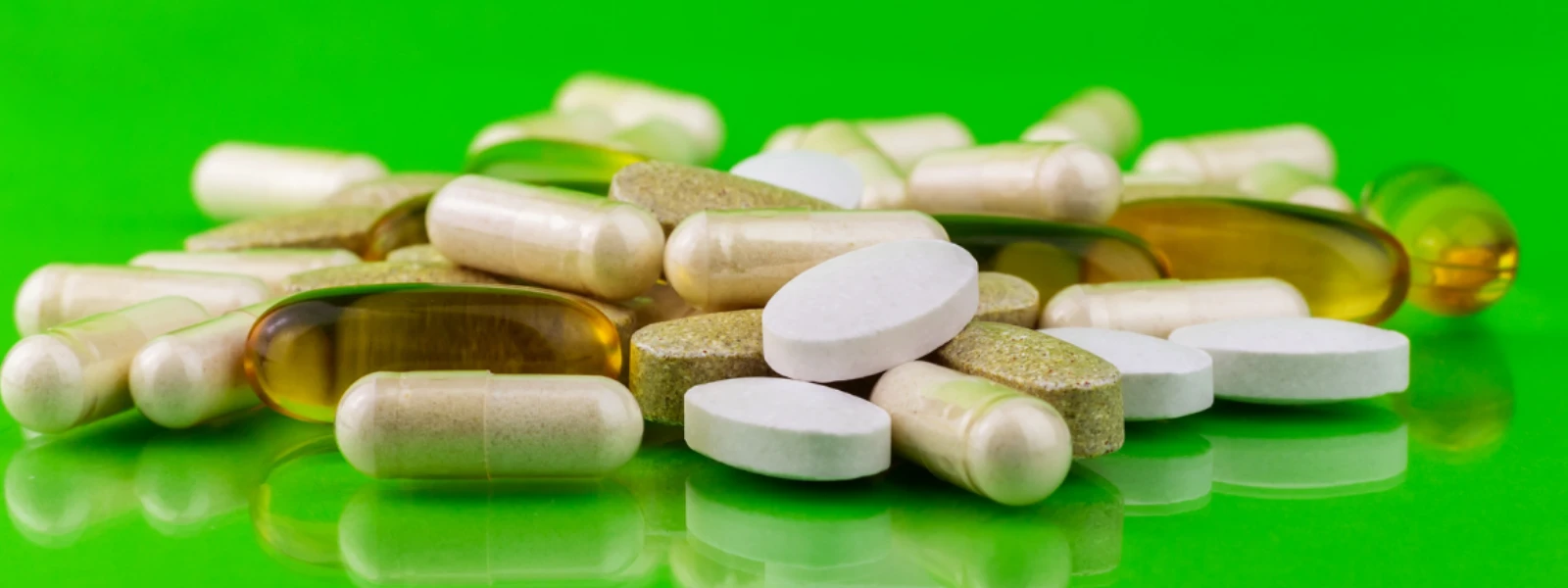


The supplement industry has grown exponentially, with millions of people turning to vitamins, minerals, and specialized formulations to support their health goals. However, this rapid expansion has also brought concerns about supplement safety and purity. With countless products flooding the market, knowing how to verify the quality and safety of what you're putting into your body has become more critical than ever.
This comprehensive guide will equip you with the knowledge and tools needed to evaluate supplement quality, understand testing protocols, and make informed decisions about your health. Whether you're considering gut health supplements, detox supplements, or daily vitamins, understanding safety verification can protect you from potentially harmful products while ensuring you get the benefits you're seeking.
Supplement safety and purity encompasses multiple factors that determine whether a product is both effective and safe for consumption. Safety refers to the absence of harmful contaminants, proper dosing, and minimal risk of adverse effects. Purity, on the other hand, means the product contains exactly what's listed on the label without unwanted additives or contaminants.
The distinction between safety, purity, and potency is crucial for consumers. While safety ensures no harm, purity guarantees clean ingredients, and potency confirms the active compounds are present in effective amounts. This trifecta becomes particularly important when considering gut health supplements or detox supplements, where the quality of ingredients directly impacts their effectiveness.
Current FDA regulations treat most supplements as food products rather than drugs, meaning they don't require pre-market approval. This regulatory gap places the responsibility on manufacturers to ensure their products meet basic safety standards. However, the FDA can take action against products that prove harmful after they reach the market.
Industry standards often exceed regulatory requirements, with responsible manufacturers implementing Good Manufacturing Practices (GMP) and voluntary third-party testing. These purity standards help bridge the gap between minimal regulatory oversight and consumer safety expectations.
Understanding supplement testing methods empowers you to evaluate product quality claims effectively. Third-party testing represents the gold standard for verification, as independent laboratories have no financial incentive to overlook quality issues. This contrasts with in-house testing, where manufacturers test their own products.
Heavy metals and contaminant screening forms a critical component of comprehensive testing. Lead, mercury, cadmium, and arsenic can accumulate in raw materials, particularly those sourced from contaminated soil or water. Reputable testing protocols screen for these toxins to ensure levels remain below safety thresholds.
Microbiological testing identifies harmful bacteria, yeast, mold, and other pathogens that could cause illness. This testing becomes especially important for gut health supplements containing probiotics, where the balance between beneficial and harmful microorganisms is crucial.
Potency verification confirms that active ingredients are present in the amounts claimed on the label. This testing ensures ingredient safety by verifying that products don't contain excessive amounts that could cause adverse effects.
Certificate of Analysis (COA) documents provide detailed testing results for specific product batches. Learning to interpret these documents helps you verify manufacturer claims about purity and potency. A comprehensive COA should include testing dates, methods used, and results for all relevant parameters.
Supplement labels contain valuable information about product quality and safety, but knowing how to decode them requires understanding regulatory requirements and industry practices. The supplement facts panel must list all active ingredients, their amounts, and the percentage daily value where established.
Proprietary blends present a significant challenge for label accuracy verification. These blends list multiple ingredients under a single total weight without revealing individual amounts. This practice makes it impossible to determine if each ingredient is present in effective doses, potentially compromising both safety and efficacy.
Several red flags indicate potential quality issues. Vague terms like "natural" or "pure" without supporting documentation, missing contact information, and claims that seem too good to be true all warrant caution. Products marketed as cleanse supplements or detox supplements often use exaggerated language that may not reflect actual benefits.
Serving sizes and daily values provide context for ingredient amounts, but manufacturers sometimes manipulate serving sizes to make their products appear more potent or to fit more ingredients on the label. Always calculate the actual amount of active ingredients you'll consume based on your intended usage.
Did You Know?
The FDA requires supplement manufacturers to include a disclaimer stating that their products haven't been evaluated by the FDA and aren't intended to diagnose, treat, cure, or prevent any disease. This statement, while legally required, doesn't indicate poor quality – it simply reflects the regulatory framework for supplements.
Third-party supplement certification programs provide independent verification of quality, safety, and label claims. NSF International offers one of the most rigorous certification programs, testing products for contaminants, verifying label claims, and inspecting manufacturing facilities. Products bearing the NSF mark have undergone comprehensive evaluation.
USP (United States Pharmacopeia) verification focuses on ingredient identity, strength, purity, and quality. This program tests finished products and audits manufacturing processes to ensure consistency. USP verification is particularly valuable for basic vitamins and minerals where standardization is crucial.
ConsumerLab.com operates differently by purchasing products directly from retailers and testing them independently. Their reports identify products that meet label claims and quality standards, providing valuable consumer information about supplement quality across different brands.
Informed Choice and Informed Sport programs specifically test for banned substances, making them essential for athletes. BSCG (Banned Substances Control Group) provides similar services with additional testing for drug contamination.
When evaluating certification claims, always verify authenticity through the certifying organization's website. Some manufacturers falsely claim certifications they don't possess, making independent verification essential.
Identifying potentially unsafe supplements requires attention to several warning signs that indicate poor supplement quality or questionable business practices. Unrealistic health claims represent one of the most obvious red flags. Products promising miraculous results, instant transformations, or cures for serious medical conditions should be approached with extreme caution.
Lack of transparency about manufacturing practices, ingredient sources, or company contact information suggests potential quality issues. Legitimate manufacturers proudly display their credentials and provide easy access to customer service and technical support.
Suspiciously low prices often indicate compromised quality, particularly for expensive ingredients like marine collagen or specialized compounds. While price doesn't guarantee quality, extremely cheap products may use inferior raw materials or skip essential testing procedures.
Missing or incomplete labeling violates FDA requirements and suggests poor attention to regulatory compliance. Products lacking proper identification, dosage instructions, or safety warnings may not meet basic manufacturing standards.
Unverified online sellers and questionable marketplaces present additional risks. Products sold through unauthorized channels may be counterfeit, expired, or stored improperly, compromising their safety and effectiveness.
Detox supplements and gut health supplements require special attention due to their direct impact on digestive and elimination systems. These products often contain potent ingredients that can interact with medications or cause adverse effects in sensitive individuals.
Cleanse supplements frequently combine multiple herbs and compounds that may not have been tested together for safety or efficacy. The lack of standardization in detox formulations makes third-party testing even more critical for these products.
Probiotic supplements present unique challenges because they contain live microorganisms that must remain viable through manufacturing, storage, and consumption. Quality testing for probiotics includes strain identification, viability counts, and contamination screening for harmful bacteria.
Digestive enzymes require careful attention to activity levels and stability. These supplements should specify enzyme activity units rather than just weight, and manufacturers should provide stability data showing the enzymes remain active throughout the product's shelf life.
Interaction risks increase with gut health supplements because they can affect nutrient absorption and medication effectiveness. Products containing fiber, probiotics, or digestive enzymes may require timing considerations when taken with other supplements or medications.
The FDA doesn't approve dietary supplements before they reach the market. Instead, manufacturers are responsible for ensuring their products are safe and properly labeled. The FDA can take action against unsafe products after they're sold, but pre-market approval isn't required for most supplements.
Good Manufacturing Practices (GMP) are standards that ensure products are consistently produced and controlled according to quality standards. Third-party testing involves independent laboratories verifying specific product qualities like purity and potency. Both are important, but third-party testing provides additional verification of product claims.
Price doesn't guarantee safety or quality. While high-quality ingredients and rigorous testing can increase costs, expensive products may simply reflect marketing expenses or brand positioning. Focus on certifications, testing documentation, and manufacturer transparency rather than price alone.
Responsible manufacturers test raw materials upon receipt and finished products before release. Some also conduct stability testing throughout the product's shelf life. Look for companies that provide batch-specific Certificates of Analysis and conduct regular third-party verification.
Stop using the product immediately and consult your healthcare provider if you experience adverse effects. Report suspected problems to the FDA through their Safety Reporting Portal and consider contacting the manufacturer. Keep the product and packaging for potential testing or investigation.
Verifying supplement safety and purity requires a multi-faceted approach that combines label reading skills, understanding of testing methods, and awareness of quality indicators. By focusing on third-party certifications, transparent manufacturing practices, and comprehensive testing documentation, you can make informed decisions about the supplements you choose. Remember that quality supplements represent an investment in your health, and taking time to verify safety and purity helps ensure you receive the benefits you're seeking while minimizing potential risks. As the supplement industry continues to evolve, staying informed about quality standards and verification methods empowers you to navigate this complex market with confidence.


Someone sent you
Powered by ReferRush


