Prebiotic Powder: Your Daily Gut Health Guide
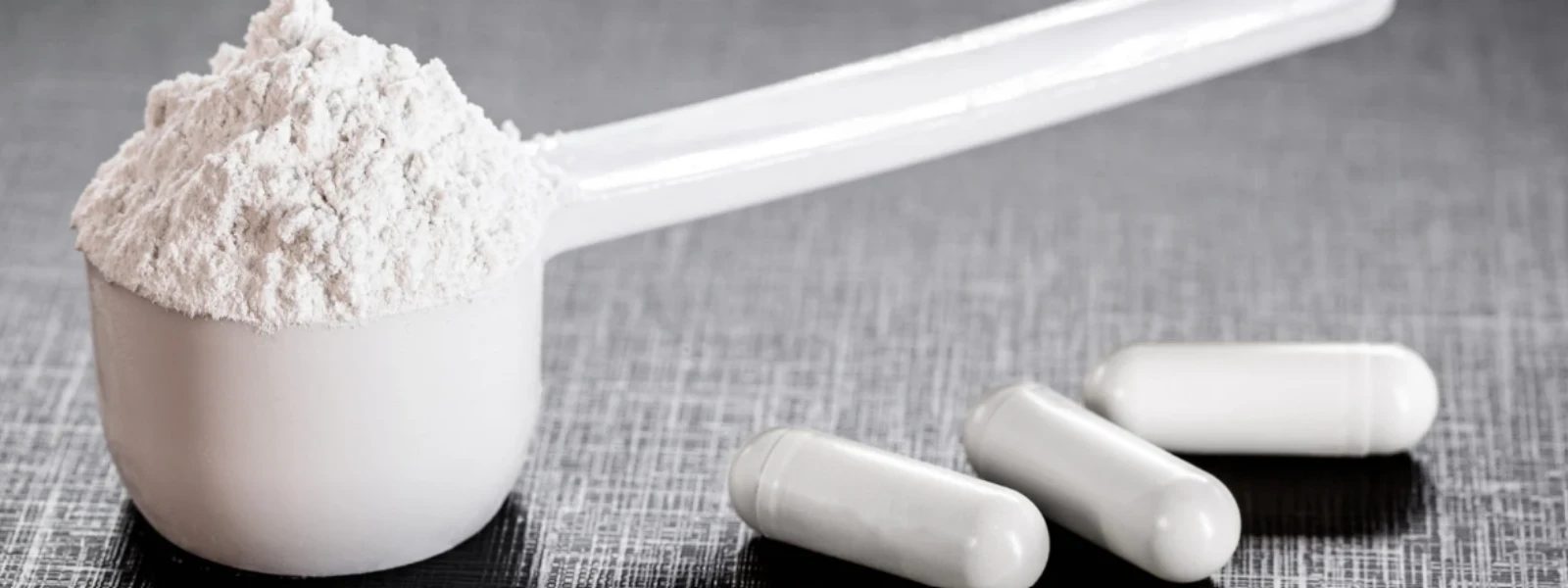


Your gut houses trillions of bacteria that influence everything from digestion to mood regulation. While probiotics get most of the attention, prebiotics serve as the essential fuel that keeps your beneficial gut bacteria thriving. Prebiotic powder has emerged as a convenient way to support daily gut health, but many people wonder about its safety and effectiveness for long-term use.
This guide explores whether prebiotic powder is good for daily use, examining the science behind these supplements and their role in maintaining optimal digestive health. You'll discover how prebiotics work in your body, their proven benefits, proper dosage guidelines, and important safety considerations to help you make an informed decision about incorporating them into your wellness routine.
Prebiotics are specialized plant fibers that your body cannot digest, but your gut bacteria can ferment and use as food. Unlike probiotics, which are live beneficial bacteria, prebiotics serve as nourishment for the good bacteria already living in your digestive system.
When you consume prebiotic powder, these fibers travel through your small intestine undigested and reach your colon, where they undergo fermentation by beneficial bacteria like Bifidobacterium and Lactobacillus. This fermentation process produces short-chain fatty acids (SCFAs), particularly butyrate, acetate, and propionate, which provide energy for colon cells and support overall gut health.
The most common types of prebiotics found in supplements include inulin, fructooligosaccharides (FOS), galactooligosaccharides (GOS), and resistant starch. Each type feeds different bacterial strains, which is why many high-quality prebiotic powders contain multiple fiber types for comprehensive gut support.
Research shows that your gut microbiome communicates directly with your brain through the vagus nerve, neurotransmitter production, and immune system signaling. This connection explains why prebiotics for gut health can influence mood, cognitive function, and stress response. A well-fed microbiome produces neurotransmitters like serotonin and GABA, which regulate mood and anxiety levels.
Regular prebiotic intake offers numerous scientifically-backed benefits that extend far beyond digestive comfort. Understanding these advantages helps explain why many health professionals recommend daily prebiotic supplementation.
Prebiotics and digestion work together to improve bowel regularity, reduce bloating, and enhance nutrient absorption. The SCFAs produced during prebiotic fermentation help maintain healthy colon pH levels and strengthen the intestinal barrier, preventing harmful substances from entering your bloodstream.
Approximately 70% of your immune system resides in your gut. Daily prebiotic intake helps maintain a balanced microbiome, which trains your immune system to distinguish between harmful pathogens and beneficial substances. This balanced response can reduce inflammation and support overall immune function.
Studies indicate that prebiotics can improve glucose metabolism, support healthy cholesterol levels, and aid in weight management by promoting satiety hormones. The beneficial bacteria fed by prebiotics help regulate appetite and may reduce cravings for processed foods.
Did You Know?
Research published in the American Journal of Clinical Nutrition found that daily prebiotic supplementation increased beneficial bacteria populations by up to 10-fold within just two weeks, demonstrating how quickly these supplements can impact gut health.
Determining the right daily prebiotic intake depends on several factors, including your current gut health status, dietary fiber intake, and individual tolerance levels. Most research supports a daily intake of 5-20 grams of prebiotic fiber for optimal benefits.
Begin with a small dose of 2-3 grams daily and gradually increase by 1-2 grams every few days. This approach allows your gut bacteria to adjust and minimizes potential digestive discomfort. Most people reach their optimal dose within 2-3 weeks of consistent use.
The best time to take prebiotic powder is with meals, as food helps slow the fermentation process and reduces the likelihood of gas or bloating. Many people prefer taking it with breakfast to support digestive function throughout the day.
Most prebiotic powders dissolve easily in water, smoothies, or yogurt. Start with 8-10 ounces of liquid to ensure proper dissolution and hydration. Some people find that taking prebiotics with warm liquids enhances solubility and reduces any gritty texture.
Not all prebiotic supplement uses are created equal. When selecting the best prebiotic powder, look for products that contain multiple fiber types to feed diverse bacterial strains. High-quality supplements often include inulin, FOS, and resistant starch in clinically studied ratios.
Choose products that undergo third-party testing for purity and potency. Look for certifications like Clean Label Certified, which ensures the product meets strict standards for ingredient transparency and quality. Organic options may be preferable if you're concerned about pesticide residues, though both organic and conventional prebiotics can be effective.
Consider the source of prebiotics as well. Natural prebiotics derived from chicory root, Jerusalem artichoke, or other whole food sources may offer additional beneficial compounds beyond the primary prebiotic fibers.
While prebiotics are generally safe for most people, understanding potential prebiotic side effects helps you use these supplements effectively and safely.
The most frequent side effects include mild bloating, gas, and changes in bowel movements during the first 1-2 weeks of use. These effects typically subside as your gut bacteria adapt to the increased fiber intake. Starting with smaller doses and increasing gradually minimizes these temporary discomforts.
People with small intestinal bacterial overgrowth (SIBO), inflammatory bowel disease, or severe digestive disorders should consult healthcare providers before starting prebiotic supplements. Those taking certain medications, particularly antibiotics, may need to adjust timing to avoid interference with treatment effectiveness.
Individuals with fructose intolerance should avoid FOS-containing prebiotics, while those with galactose sensitivity should skip GOS-based products. Reading ingredient labels carefully helps prevent adverse reactions in sensitive individuals.
To maximize the benefits of gut health supplements, consider combining prebiotics with probiotics in a synbiotic approach. This combination provides both the beneficial bacteria and their preferred food sources, potentially enhancing overall effectiveness.
Regular exercise, adequate sleep, and stress management all support a healthy gut microbiome. Avoiding unnecessary antibiotics, limiting processed foods, and staying hydrated also help maintain the environment where prebiotics work most effectively.
Some people incorporate prebiotics into a broader gut cleanse supplements routine, though this isn't necessary for everyone. A gentle approach focusing on consistent daily intake often produces better long-term results than aggressive cleansing protocols.
Most people notice initial digestive improvements within 1-2 weeks of consistent use, with more significant benefits appearing after 4-6 weeks. Individual response times vary based on starting gut health status and dosage used.
Yes, prebiotics are generally safe to combine with most supplements. However, take them at least 2 hours apart from antibiotics to prevent interference. Combining with probiotics may enhance overall gut health benefits.
Research supports the safety of daily prebiotic use for extended periods. Long-term studies show continued benefits without adverse effects when used at recommended dosages. Regular monitoring of digestive comfort helps ensure optimal dosing.
Prebiotic powders focus on feeding beneficial bacteria for ongoing gut health maintenance, while gut cleanse supplements often aim to eliminate toxins or reset digestive function. Prebiotics provide gentler, sustained support compared to intensive cleansing protocols.
People with SIBO, severe IBS, or specific food intolerances should consult healthcare providers before daily use. Pregnant or breastfeeding women should also seek medical guidance, though prebiotics are generally considered safe during these periods.
Prebiotic powder can be an excellent addition to your daily wellness routine when used appropriately. The science strongly supports daily prebiotic intake for maintaining gut health, supporting immune function, and promoting overall well-being. Starting with small doses and gradually increasing allows your body to adapt while minimizing potential side effects. Choose high-quality products with multiple fiber types and consider your individual health needs when determining the right approach. With consistent use and proper dosing, prebiotic powder offers a simple yet effective way to nourish your gut microbiome and support long-term digestive health.



