Prebiotics After Antibiotics: Your Complete Guide


When you finish a course of antibiotics, your gut microbiome faces a significant challenge. While these medications effectively fight harmful bacteria, they also disrupt the delicate balance of beneficial microorganisms in your digestive system. This disruption can leave you wondering: are prebiotics helpful after antibiotics? The answer lies in understanding how to properly restore your gut health through targeted nutritional support.
This comprehensive guide explores the science behind prebiotics for post-antibiotic recovery, practical dietary strategies, and evidence-based approaches to rebuilding your gut microbiome. You'll learn how prebiotics work differently from probiotics, discover the best food sources for gut restoration, and understand the optimal timing for maximum benefits.
Antibiotics work by targeting bacterial infections, but they cannot distinguish between harmful pathogens and beneficial gut bacteria. This broad-spectrum action creates what researchers call "collateral damage" to your gut health after antibiotics.
During antibiotic treatment, your gut microbiome diversity can decrease by up to 90% within just a few days. This dramatic reduction affects multiple bacterial strains that play crucial roles in digestion, immune function, and nutrient absorption. The disruption typically follows a predictable timeline: initial bacterial die-off occurs within 24-48 hours, followed by a gradual decline in overall microbial diversity throughout the treatment period.
The consequences extend beyond the treatment period. Studies show that some bacterial strains may take months or even years to fully recover without proper intervention. This prolonged imbalance can manifest as digestive discomfort, weakened immune response, mood changes, and increased susceptibility to infections.
Common signs that your gut needs restoration support include irregular bowel movements, bloating, food sensitivities, fatigue, and frequent minor illnesses. These symptoms indicate that your gut flora requires targeted support to restore gut flora effectively.
Many people confuse prebiotics and probiotics, but understanding their distinct roles is essential for effective post-antibiotic recovery. Think of probiotics as seeds and prebiotics as fertilizer for your gut garden.
Probiotics are live beneficial bacteria that you introduce to your digestive system through supplements or fermented foods. However, after antibiotic treatment, your gut environment may not be optimal for these new bacteria to thrive and establish themselves.
Prebiotics are non-digestible fibers that serve as food for beneficial bacteria already present in your gut. They create an environment where good bacteria can flourish and multiply naturally. This makes prebiotics particularly valuable after antibiotics because they help existing beneficial bacteria recover and strengthen.
Research published in the Journal of Clinical Medicine demonstrates that prebiotic supplementation after antibiotic treatment significantly improves the recovery rate of beneficial bacteria compared to probiotics alone. The study found that prebiotics help restore microbial diversity more effectively by supporting multiple bacterial strains simultaneously.
Did You Know?
Prebiotics can increase beneficial bacteria populations by up to 1000-fold within just two weeks of consistent consumption, making them incredibly effective for post-antibiotic gut restoration.
Prebiotics work through a process called selective fermentation. When you consume prebiotic fibers, they travel undigested through your small intestine and reach your colon, where beneficial bacteria ferment them into short-chain fatty acids (SCFAs).
These SCFAs, particularly butyrate, acetate, and propionate, provide energy for colon cells and create an acidic environment that inhibits harmful bacteria growth. This process naturally encourages the proliferation of beneficial bacteria while discouraging pathogenic organisms.
Different types of prebiotics offer unique benefits for gut health. Inulin, found in foods like garlic and onions, particularly supports Bifidobacterium growth. Fructo oligosaccharides (FOS) promote Lactobacillus populations, while galactooligosaccharides (GOS) enhance overall microbial diversity.
Clinical studies show that prebiotic supplementation can restore gut microbiome diversity to pre-antibiotic levels within 4-6 weeks when combined with appropriate dietary changes. The bioavailability of different prebiotic types varies, with shorter-chain prebiotics showing faster effects but longer-chain varieties providing more sustained benefits.
Building an effective post antibiotic diet requires incorporating diverse prebiotic-rich foods that support comprehensive gut restoration. The key is variety, as different prebiotic types feed different bacterial strains.
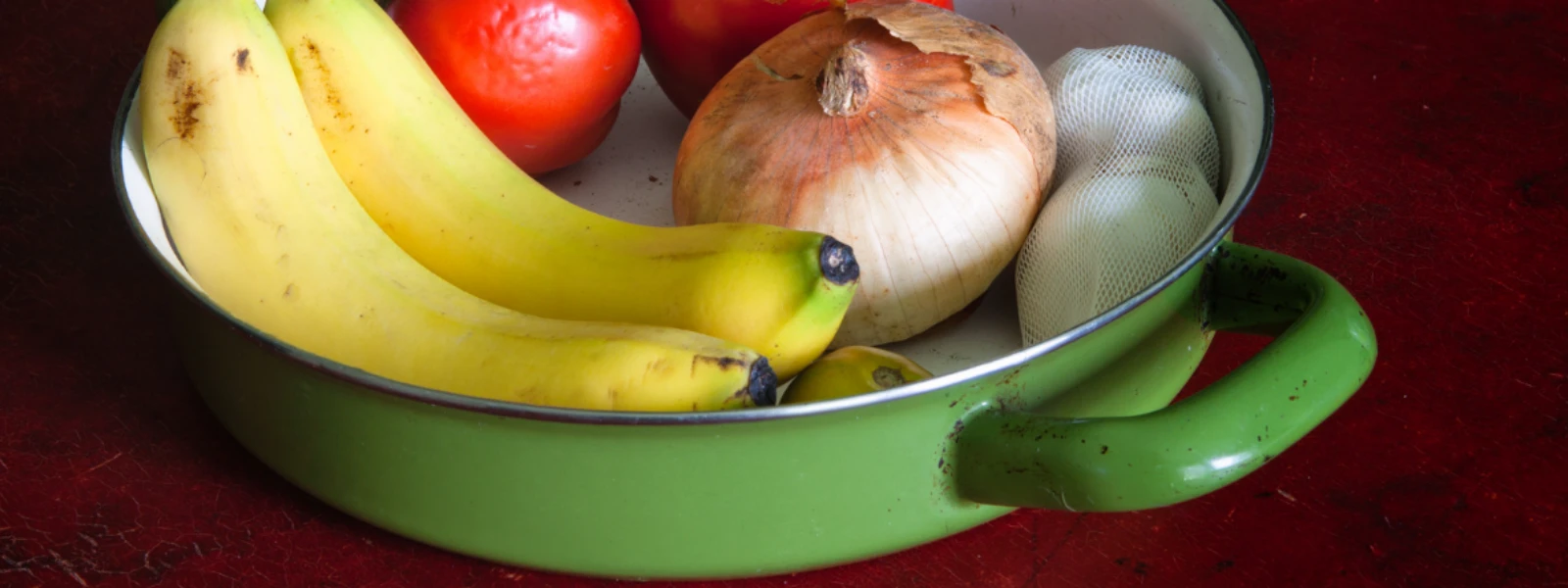
Top prebiotic food sources include garlic, onions, leeks, asparagus, bananas, apples, oats, barley, flaxseeds, and Jerusalem artichokes. These foods contain various prebiotic fibers that support different aspects of gut health recovery.
Meal planning strategies should focus on gradual introduction to prevent digestive discomfort. Start with smaller portions of prebiotic foods and slowly increase intake over 1-2 weeks. This approach allows your recovering gut bacteria to adapt without overwhelming your system.
During the recovery period, avoid processed foods, artificial sweeteners, and excessive sugar, as these can feed harmful bacteria and slow healing. Focus on whole foods, adequate hydration, and gentle preparation methods that preserve prebiotic content.
A sample daily menu might include overnight oats with sliced banana for breakfast, a salad with garlic vinaigrette for lunch, and roasted asparagus with dinner. Snacks could include apple slices or a small handful of almonds to maintain steady prebiotic intake throughout the day.
While prebiotics form the foundation of gut restoration, a comprehensive approach to gut detox after antibiotics includes multiple lifestyle factors that support healing.
Hydration plays a crucial role in gut cleanse after antibiotics. Adequate water intake helps flush toxins, supports mucus production that protects the gut lining, and facilitates the transport of nutrients to recovering bacteria. Aim for at least 8-10 glasses of water daily, increasing intake if you're consuming more fiber.
Sleep quality directly impacts gut health recovery. During sleep, your body produces growth factors that repair the gut lining and support beneficial bacteria proliferation. Prioritize 7-9 hours of quality sleep and maintain consistent sleep schedules to optimize recovery.
Stress management is equally important, as chronic stress can impair gut healing and reduce beneficial bacteria populations. Practice stress-reduction techniques like meditation, deep breathing, or gentle yoga to support your gut restoration efforts.
Moderate exercise promotes gut motility and increases microbial diversity. Light activities like walking, swimming, or stretching are ideal during the initial recovery period. Avoid intense exercise that might stress your recovering system.
The timing of prebiotic introduction after antibiotics significantly impacts their effectiveness. Most experts recommend waiting 2-4 hours after your final antibiotic dose before beginning prebiotic supplementation to avoid interference with the medication.
Start with lower doses to assess tolerance. Begin with 2-5 grams of prebiotic fiber daily and gradually increase to 10-15 grams over 1-2 weeks. This gradual approach minimizes potential side effects like gas, bloating, or digestive discomfort.
Food sources generally cause fewer side effects than concentrated supplements, making them ideal for initial introduction. Once your system adapts, you can consider adding prebiotic supplements if needed to reach optimal intake levels.
The duration of focused prebiotic supplementation typically ranges from 4-12 weeks, depending on the length and intensity of antibiotic treatment. Longer antibiotic courses may require extended restoration periods to fully restore gut flora.
Monitor your body's response throughout the process. Positive signs include improved digestion, increased energy, better mood, and reduced digestive discomfort. If you experience persistent issues, consider consulting a healthcare provider for personalized guidance.
Most people benefit from focused prebiotic intake for 4-12 weeks after completing antibiotics. The exact duration depends on factors like antibiotic type, treatment length, and individual gut health status. Continue until digestive symptoms normalize and energy levels stabilize.
Yes, combining prebiotics and probiotics can enhance gut restoration. Start with prebiotics first to create a favorable environment, then introduce probiotics after 1-2 weeks. This sequential approach often produces better results than taking both simultaneously from the start.
Garlic, onions, asparagus, bananas, and oats are among the most effective prebiotic foods for post-antibiotic recovery. These foods contain diverse fiber types that support multiple beneficial bacteria strains, promoting comprehensive gut microbiome restoration.
Common side effects include temporary gas, bloating, or changes in bowel movements as your gut bacteria adjust. These effects typically resolve within 1-2 weeks. Start with smaller amounts and increase gradually to minimize discomfort.
Signs of gut healing include normalized bowel movements, reduced bloating, improved energy levels, better mood, and decreased food sensitivities. Most people notice improvements within 2-4 weeks of consistent prebiotic intake, with continued progress over several months.
Prebiotics are indeed helpful after antibiotics, serving as essential tools for restoring gut health and rebuilding beneficial bacteria populations. By understanding the science behind prebiotic function and implementing a comprehensive approach that includes proper timing, appropriate foods, and supportive lifestyle practices, you can effectively restore your gut microbiome after antibiotic treatment. The key lies in patience, consistency, and gradual introduction of prebiotic-rich foods while supporting your body's natural healing processes. Remember that gut restoration is a journey that requires time and dedication, but the long-term benefits for your digestive health, immune function, and overall wellbeing make this investment worthwhile.



