Probiotics After Antibiotics: Complete Recovery Guide
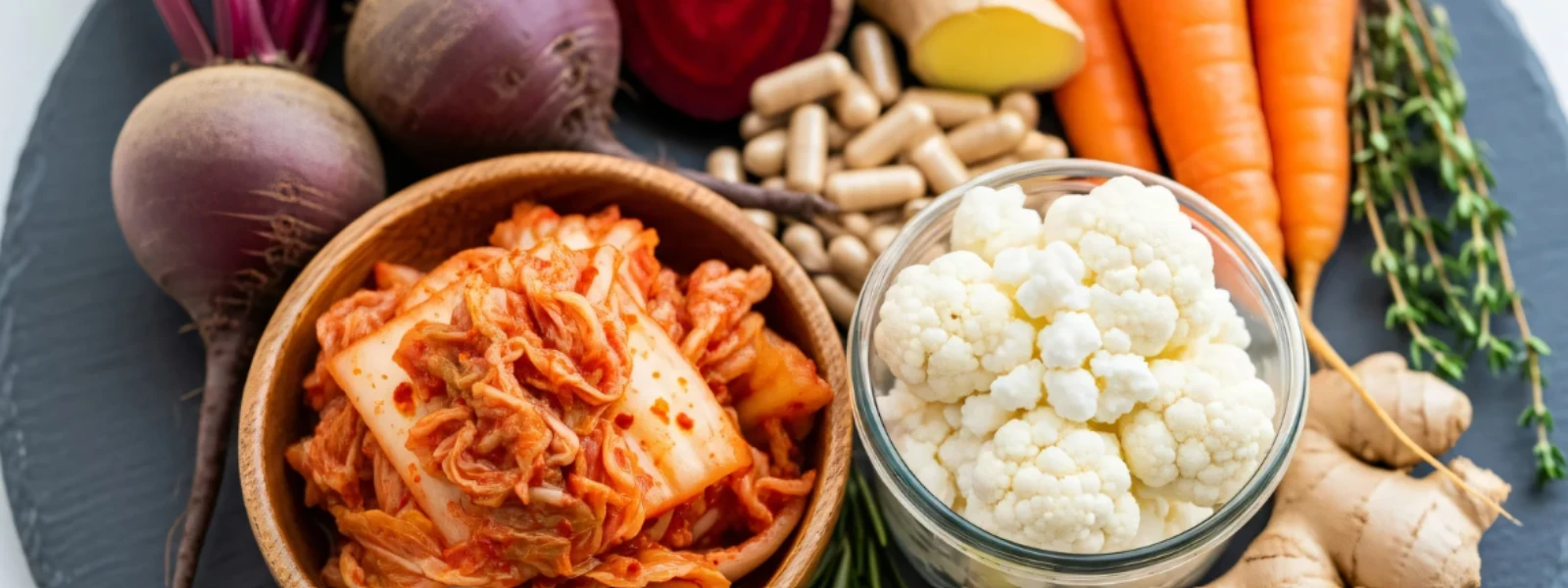


When antibiotics save your life by fighting infections, they also wage war on your gut. These powerful medications don't discriminate between harmful pathogens and beneficial bacteria, leaving your digestive system in need of serious repair. Understanding how to restore your gut health after antibiotic treatment isn't just about comfort—it's about rebuilding the foundation of your overall wellness.
This guide explores the science behind antibiotic-induced gut disruption and provides evidence-based strategies for recovery. You'll learn when and how probiotics can help, which strains work best, and what dietary changes support long-term gut health restoration.
Your gut houses trillions of microorganisms that form a complex ecosystem. This microbiome includes over 1,000 different bacterial species, each playing specific roles in digestion, immune function, and even mood regulation. These beneficial bacteria help break down food, produce essential vitamins like Vitamin K and B vitamins, and maintain the gut barrier that protects against harmful invaders.
A healthy gut microbiome maintains delicate balance. Beneficial bacteria like Lactobacillus and Bifidobacterium keep harmful microorganisms in check while supporting proper digestive function. This ecosystem takes years to develop and can be dramatically altered in just days of antibiotic treatment.
Gut bacteria depletion begins within hours of taking the first antibiotic dose. Studies using advanced DNA sequencing show that bacterial diversity drops by 25-50% within the first three days of treatment. Broad-spectrum antibiotics cause more extensive damage than targeted medications.
The severity of disruption depends on several factors: the type of antibiotic, duration of treatment, and individual gut health before treatment. Some people experience mild changes, while others face significant microbiome alterations that persist for months.
Ignoring gut health after antibiotics can lead to lasting problems. Research indicates that untreated gut imbalances may contribute to recurring digestive issues, increased infection risk, and even changes in immune function. Some studies suggest links between antibiotic-induced gut changes and conditions like irritable bowel syndrome.
The gut-brain connection means that microbiome disruption can also affect mood and cognitive function. Beneficial bacteria produce neurotransmitters like serotonin, so their depletion may impact mental well-being.
Multiple clinical trials demonstrate that probiotics can effectively restore gut health after antibiotic treatment. A comprehensive review published in the Cochrane Database found that probiotics reduce the risk of antibiotic-associated diarrhea by approximately 60% when taken during and after treatment.
Research specifically examining post-antibiotic recovery shows that probiotic supplementation helps restore bacterial diversity faster than natural recovery alone. Studies indicate that targeted probiotic therapy can reduce recovery time from months to weeks in many cases.
Probiotics offer several mechanisms for gut recovery. They directly introduce beneficial bacteria to replace those lost during antibiotic treatment. These microorganisms also produce substances that create an environment favorable for other beneficial bacteria to flourish.
Probiotics help restore the gut barrier function that antibiotics compromise. They strengthen intestinal tight junctions and support mucus production that protects the gut lining. This restoration is crucial for preventing harmful substances from entering the bloodstream.
Did You Know?
Research shows that taking probiotics during antibiotic treatment can reduce the risk of antibiotic-associated diarrhea by up to 60%, while also speeding up overall gut recovery time.
Probiotics work through colonization and competitive exclusion. When you introduce beneficial bacteria through supplements, they compete with harmful microorganisms for nutrients and attachment sites in the gut. This process helps restore the natural balance that antibiotics disrupted.
Different probiotic strains have varying abilities to colonize the gut. Some provide temporary benefits while passing through the digestive system, while others can establish more permanent colonies. Multi-strain formulations often work better than single-strain products because they address different aspects of gut health.
The timing of probiotic supplementation affects its effectiveness. Many healthcare providers recommend starting probiotics during antibiotic treatment, taking them at least two hours apart from antibiotic doses. This approach helps maintain some beneficial bacteria throughout the treatment period.
Continuing probiotics for several weeks after completing antibiotics supports ongoing recovery. The exact duration depends on the antibiotic type and individual recovery needs, but most experts suggest at least 2-4 weeks of post-treatment supplementation.
Lactobacillus species are among the most studied probiotics for post-antibiotic recovery. Lactobacillus rhamnosus GG shows particular effectiveness in preventing antibiotic-associated diarrhea and supporting gut barrier function. This strain has strong adherence properties and can survive stomach acid well.
Lactobacillus acidophilus and Lactobacillus casei also demonstrate benefits for gut recovery. These strains help restore normal pH levels in the gut and support the growth of other beneficial bacteria. They're particularly effective when combined with other probiotic species.
Bifidobacterium strains play crucial roles in gut health restoration. Bifidobacterium longum and Bifidobacterium bifidum are especially important for rebuilding the gut ecosystem after antibiotic treatment. These bacteria help produce short-chain fatty acids that nourish gut cells and support barrier function.
Bifidobacterium lactis has shown particular promise in clinical studies for reducing digestive symptoms after antibiotic treatment. This strain helps normalize bowel movements and reduces inflammation in the gut lining.
Research generally favors multi-strain probiotic formulations for post-antibiotic recovery. Different bacterial strains address various aspects of gut health, and combining them often produces better results than using single strains alone.
Multi-strain products typically include both Lactobacillus and Bifidobacterium species, along with other beneficial bacteria. This diversity better mimics the natural gut microbiome and provides more comprehensive support for recovery.
Colony-forming units (CFUs) indicate the number of viable bacteria in a probiotic supplement. For post-antibiotic recovery, most research suggests using products with at least 10-50 billion CFUs per dose. Higher potency formulations may be beneficial for severe gut disruption.
However, CFU count isn't the only factor determining effectiveness. The specific strains, their ability to survive stomach acid, and proper storage all influence probiotic benefits. Quality matters more than quantity alone.
Prebiotics are non-digestible fibers that feed beneficial bacteria in your gut. Including prebiotic-rich foods in your post-antibiotic diet helps probiotics establish and thrive. Excellent sources include garlic, onions, leeks, asparagus, and bananas.
Jerusalem artichokes and chicory root contain high levels of inulin, a particularly effective prebiotic fiber. These foods help beneficial bacteria produce short-chain fatty acids that support gut healing and overall health.
Fermented foods provide natural probiotics that complement supplementation. Yogurt with live cultures, kefir, sauerkraut, and kimchi contain beneficial bacteria that support gut recovery. These foods also provide nutrients that support overall digestive health.
When choosing fermented foods, look for products that contain live, active cultures and avoid those with excessive added sugars. Homemade fermented foods often contain more diverse bacterial strains than commercial products.
Certain foods can hinder gut recovery after antibiotic treatment. Highly processed foods, excessive sugar, and artificial sweeteners can feed harmful bacteria and interfere with beneficial bacteria growth. Alcohol can also disrupt the gut microbiome and should be limited during recovery.
Foods high in saturated fats may promote inflammation and slow gut healing. Focus on whole, unprocessed foods that provide nutrients without additives that could further disrupt your recovering gut ecosystem.
Effective meal planning for gut recovery emphasizes variety and balance. Include diverse plant foods to provide different types of fiber that feed various beneficial bacteria. Aim for at least 25-30 different plant foods per week to maximize microbiome diversity.
Timing meals regularly helps establish healthy digestive rhythms. Eating smaller, more frequent meals may be easier on a recovering gut than large, heavy meals that could cause digestive stress.
The first two weeks after starting probiotics focus on establishing beneficial bacteria in your gut. During this phase, you may notice gradual improvements in digestive symptoms like bloating and irregular bowel movements. Some people experience temporary digestive changes as their gut adjusts to new bacteria.
Consistency is crucial during this initial phase. Taking probiotics at the same time each day and maintaining a gut-friendly diet supports the colonization process. Don't be discouraged if improvements seem slow—gut recovery is a gradual process.
During the first three months, your gut microbiome begins rebuilding its diversity. Research shows that bacterial variety gradually increases during this period, though it may not reach pre-antibiotic levels immediately. You should notice more consistent digestive function and reduced symptoms.
This phase is ideal for introducing a wider variety of prebiotic foods and possibly rotating different probiotic strains. Your gut becomes more resilient and better able to handle dietary changes during this recovery period.
Complete gut ecosystem restoration typically takes three to six months, though individual timelines vary. By this point, your microbiome should show significant recovery in both diversity and function. Most people experience stable digestive health and improved overall well-being.
Some individuals may need longer recovery periods, especially if they took multiple courses of antibiotics or have underlying digestive conditions. Patience and consistent gut-supporting practices remain important throughout this extended recovery phase.
Positive signs of gut recovery include regular, comfortable bowel movements, reduced bloating and gas, and improved energy levels. Many people also notice better mood stability and clearer thinking as their gut-brain connection improves.
Reduced food sensitivities and fewer digestive symptoms after eating are also indicators of healing. Some people find they can tolerate foods that previously caused discomfort as their gut barrier function improves.
Digestive enzymes can support gut recovery by helping break down foods more effectively while your microbiome rebuilds. This reduces digestive stress and ensures better nutrient absorption during the recovery period. Enzymes are particularly helpful if you experience ongoing digestive discomfort.
Taking digestive enzymes with meals can complement probiotic therapy by creating optimal conditions for beneficial bacteria to thrive. This combination approach often accelerates recovery and improves overall digestive comfort.
Certain herbs support gut healing and complement probiotic therapy. Slippery elm and marshmallow root provide soothing compounds that help repair the gut lining. These herbs can be particularly beneficial if antibiotics caused significant digestive irritation.
Ginger and peppermint support digestive function and may help reduce nausea or discomfort during recovery. However, always consult healthcare providers before combining herbal supplements with other treatments.
Stress management plays a crucial role in gut recovery. Chronic stress can interfere with beneficial bacteria growth and slow healing. Practices like meditation, regular exercise, and adequate sleep support both gut health and overall recovery.
Regular physical activity promotes healthy gut motility and supports beneficial bacteria diversity. Even gentle exercise like walking can positively impact gut recovery when done consistently.
Consider professional gut health testing if symptoms persist beyond the typical recovery timeline or if you experience severe ongoing digestive issues. Comprehensive stool testing can reveal specific imbalances that might require targeted treatment approaches.
Healthcare providers may recommend testing if you have recurrent infections, persistent digestive symptoms, or if you've taken multiple courses of antibiotics. Professional guidance ensures you receive appropriate treatment for your specific situation.
Yes, many healthcare providers recommend taking probiotics during antibiotic treatment. Take them at least 2-3 hours apart from your antibiotic doses to prevent the medication from killing the beneficial bacteria immediately. This timing helps maintain some gut bacteria throughout your treatment.
Most experts recommend continuing probiotics for at least 2-4 weeks after completing antibiotic treatment. Some people benefit from longer supplementation, especially if they took broad-spectrum antibiotics or multiple courses. Your individual recovery timeline may vary based on your gut health before treatment.
Signs that probiotics are helping include more regular bowel movements, reduced bloating and gas, improved digestion, and better overall energy levels. You might also notice fewer food sensitivities and improved mood. These improvements typically develop gradually over several weeks.
Children may need different probiotic strains and dosages compared to adults. Pediatric-specific probiotic formulations are available and often recommended. Always consult your child's healthcare provider before starting probiotics, especially for infants and young children.
Recovering from antibiotic treatment requires a thoughtful approach to rebuilding your gut health. While antibiotics serve important medical purposes, supporting your microbiome during and after treatment helps minimize side effects and accelerate recovery. Probiotics, combined with a gut-friendly diet and healthy lifestyle practices, provide the foundation for restoring your digestive ecosystem. Remember that gut recovery is a gradual process that requires patience and consistency. By understanding the science behind antibiotic effects and implementing evidence-based recovery strategies, you can support your gut health and overall well-being for the long term.



