Probiotics for Immunity: What You Need to Know
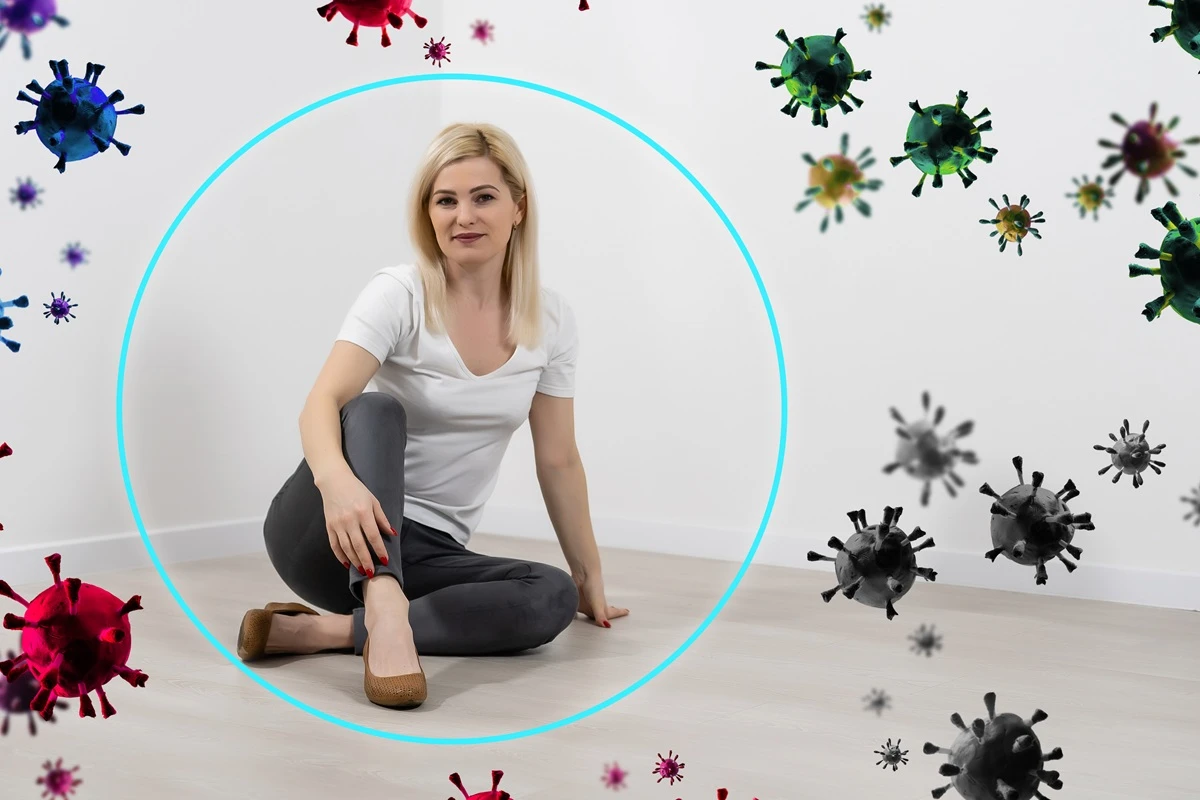






Your gut does more than digest food. It serves as a powerful command center for your immune system. This complex relationship between your digestive tract and your body's defense mechanisms plays a crucial role in keeping you healthy. Understanding how probiotics can support different types of immunity will help you make informed decisions about your health journey.
Innate immunity is your body's first line of defense. It responds quickly to threats without needing prior exposure. This system includes physical barriers like your skin and mucous membranes. It also involves immune cells that patrol your body looking for invaders.
Your innate immune system works around the clock. White blood cells called neutrophils and macrophages attack harmful bacteria and viruses. These cells don't remember specific threats. Instead, they recognize general patterns that signal danger.
Adaptive immunity takes a more targeted approach. This system learns and remembers specific threats. When you encounter the same pathogen again, adaptive immunity responds faster and more effectively.
Antibodies play a key role in adaptive immunity. These specialized proteins bind to specific antigens on harmful organisms. B cells produce antibodies, while T cells coordinate immune responses and directly attack infected cells. This system creates immunological memory that protects you long-term.
Your gut microbiome and immune system work together in remarkable ways. The digestive tract contains more immune cells than any other part of your body. Beneficial bacteria in your gut communicate with immune cells, helping them distinguish between harmful invaders and harmless substances.
A healthy gut microbiome trains your immune system. It teaches immune cells to respond appropriately to different threats. When gut bacteria are out of balance, your immune system may overreact or underperform.
Did You Know?
Your gut houses approximately 70% of your immune system cells, making it a crucial frontline defense against pathogens.
Probiotics are live beneficial bacteria that support your health when consumed in adequate amounts. These microorganisms naturally exist in your digestive system. Different strains of probiotics offer various health benefits, with many specifically supporting immune function.
The most common probiotic families include Lactobacillus and Bifidobacterium. Each strain has unique properties that can influence your health in different ways. Some produce antimicrobial compounds, while others strengthen your gut barrier.
Probiotics strengthen your gut barrier, preventing harmful substances from entering your bloodstream. They compete with pathogenic bacteria for space and nutrients, crowding out potential threats. This competitive exclusion helps maintain a healthy microbial balance.
These beneficial bacteria also modulate immune responses. They can calm overactive immune reactions while boosting responses when needed. Probiotics produce short-chain fatty acids that nourish gut cells and support immune function.
Many probiotic strains produce antimicrobial compounds like bacteriocins. These natural antibiotics specifically target harmful bacteria without affecting beneficial microbes. This selective action helps maintain gut health while supporting immunity.
Lactobacillus rhamnosus helps reduce respiratory infections and supports immune cell activity. Lactobacillus casei strengthens the gut barrier and enhances antibody production. Lactobacillus acidophilus produces lactic acid that creates an environment hostile to harmful bacteria.
These strains work by adhering to intestinal walls and forming protective biofilms. They also stimulate the production of immunoglobulin A, an antibody that protects mucosal surfaces throughout your body.
Bifidobacterium longum supports both innate and adaptive immunity by regulating inflammatory responses. Bifidobacterium bifidum enhances the activity of natural killer cells, which target infected and abnormal cells. Bifidobacterium animalis helps maintain gut barrier integrity.
These strains are particularly effective at producing beneficial metabolites. They ferment dietary fiber into compounds that support immune cell function and reduce inflammation.
Saccharomyces boulardii, a beneficial yeast, helps prevent antibiotic-associated digestive issues while supporting immune balance. Streptococcus thermophilus produces compounds that enhance immune cell communication.
Research continues to identify new probiotic strains with immune-supporting properties. Scientists are exploring how different combinations of strains might work together to provide enhanced benefits.
Fermented foods provide natural sources of probiotics. Yogurt with live cultures, kefir, sauerkraut, and kimchi all contain beneficial bacteria. These foods offer diverse strains that can complement each other.
Fermented beverages like kombucha and traditional buttermilk also provide probiotics. Including a variety of fermented foods in your diet exposes you to different beneficial strains.
Supplements can provide higher concentrations of specific probiotic strains. When choosing supplements, look for products with superior ingredients, highly absorbable formats, and palatable flavors. These factors ensure you get the maximum benefit from your probiotic regimen.
Quality supplements contain viable bacteria that survive stomach acid and reach your intestines. They should specify the number of colony-forming units and include strains with research backing their immune benefits.
Your diet influences how well probiotics work. Prebiotic foods like garlic, onions, and bananas feed beneficial bacteria. Avoiding excessive sugar and processed foods helps maintain a healthy gut environment.
Stress management and adequate sleep also support probiotic effectiveness. Chronic stress can disrupt gut bacteria balance, while quality sleep helps maintain immune function. Regular exercise promotes gut health and enhances immune responses.
Vitamin C supports both innate and adaptive immunity by enhancing white blood cell function. Citrus fruits, berries, and leafy greens provide this essential nutrient. Vitamin D helps regulate immune responses and supports antimicrobial peptide production.
Zinc plays crucial roles in immune cell development and function. Nuts, seeds, and legumes offer good sources of this mineral. These nutrients work synergistically with probiotics to support overall immune health.
Certain herbs have shown immune-supporting properties in research studies. Elderberry may help reduce the duration of respiratory symptoms. Echinacea has been studied for its potential to support immune cell activity.
These natural compounds can complement probiotics in supporting your body's defense mechanisms. However, quality and proper dosing remain important considerations.
Regular moderate exercise strengthens immune function while supporting gut health. Physical activity increases blood flow and helps immune cells circulate throughout your body. Stress reduction techniques like meditation and deep breathing support both gut and immune health.
Adequate sleep is essential for immune recovery and memory formation. Your body repairs and strengthens immune defenses during quality rest periods.
Research shows that probiotics can support immune function by promoting gut health and helping regulate immune responses. While they're not a cure-all, studies suggest they can be a valuable part of a comprehensive approach to supporting your body's natural defenses.
The timeline varies among individuals, but some research indicates that immune markers may begin improving within 2-4 weeks of consistent probiotic use. Factors like your current gut health, diet, and lifestyle can influence how quickly you notice benefits.
Most people tolerate probiotics well. Some may experience mild digestive symptoms like bloating or gas when first starting, but these typically resolve as your body adjusts. It's always wise to consult with a healthcare provider before beginning any new supplement routine.
Fermented foods provide excellent probiotic sources, but supplements can offer higher concentrations of specific beneficial strains. Your individual needs, dietary habits, and health goals will determine the best approach. Some people thrive with food-based probiotics, while others benefit from targeted supplementation.
Understanding the connection between probiotics and immunity empowers you to make informed health decisions. By supporting both types of immunity through beneficial bacteria, you're investing in your body's natural defense systems. Probiotics work best as part of a holistic approach that includes nutrient-rich foods, regular exercise, stress management, and quality sleep. As research in this field continues expanding, probiotics remain a promising tool for supporting your immune health journey. Consider exploring high-quality probiotic options that align with your wellness goals and lifestyle preferences.



 DOWNLOAD NOW

