Probiotics & IBS: Your Complete Guide to Relief


Millions of people worldwide struggle with Irritable Bowel Syndrome (IBS), experiencing unpredictable digestive symptoms that can significantly impact their daily lives. If you're among those wondering do probiotics help with IBS symptoms, you're not alone in seeking natural solutions for relief. This comprehensive guide explores the science-backed relationship between probiotics and IBS management, helping you understand how these beneficial bacteria might offer the digestive support you've been searching for.
Through evidence-based research and practical insights, you'll discover how probiotics work within your gut ecosystem, which specific strains show promise for IBS relief, and how to integrate these supplements into a holistic approach to managing your symptoms naturally.
Irritable Bowel Syndrome affects approximately 10-15% of the global population, making it one of the most common functional gastrointestinal disorders. This chronic condition primarily impacts the large intestine, causing a constellation of symptoms that can vary significantly between individuals.
The hallmark symptoms of IBS include abdominal pain, bloating, gas, and altered bowel habits ranging from constipation to diarrhea. Many people experience a combination of these symptoms, which can fluctuate in severity and frequency. The unpredictable nature of IBS often leads to anxiety around meal planning, social activities, and travel.
Research reveals that gut health and IBS are intricately connected through the gut-brain axis. This bidirectional communication pathway between your digestive system and central nervous system helps explain why stress often triggers IBS flare-ups. When this delicate balance is disrupted, it can perpetuate a cycle of digestive discomfort and emotional distress.
The condition disproportionately affects women, with studies showing a 2:1 female-to-male ratio. Young adults and middle-aged individuals represent the largest demographic, though IBS can develop at any age. Understanding these patterns helps healthcare providers tailor treatment approaches for better IBS symptoms relief.
Your gut microbiome contains trillions of microorganisms that play crucial roles in digestion, immune function, and overall health. In individuals with IBS, this microbial ecosystem often shows signs of imbalance, known as dysbiosis. This disruption can contribute to inflammation, altered gut motility, and increased intestinal permeability.
Probiotics are live beneficial bacteria that, when consumed in adequate amounts, can help restore microbial balance. These microorganisms work through several mechanisms to support digestive health. They compete with harmful bacteria for nutrients and attachment sites, produce beneficial compounds like short-chain fatty acids, and help strengthen the intestinal barrier.
Clinical studies demonstrate that specific probiotic strains can modulate immune responses and reduce inflammation in the gut. This anti-inflammatory effect is particularly relevant for IBS, as chronic low-grade inflammation often underlies symptom development. The probiotics benefits extend beyond symptom relief to include improved gut barrier function and enhanced stress resilience.
Research published in gastroenterology journals shows that probiotic supplementation can influence the gut-brain axis, potentially reducing the visceral hypersensitivity characteristic of IBS. This means probiotics might help normalize the exaggerated pain signals that contribute to abdominal discomfort in IBS patients.
Not all probiotics are created equal when it comes to IBS management. Scientific research has identified specific strains that show particular promise for addressing various IBS symptoms. Understanding these types of probiotics for IBS can help you make informed decisions about supplementation.
Lactobacillus strains have demonstrated significant benefits for IBS management. L. plantarum 299v has shown effectiveness in reducing abdominal pain and bloating in clinical trials. L. acidophilus and L. rhamnosus GG have also displayed positive outcomes for overall symptom improvement and digestive comfort.
Bifidobacterium strains represent another important category for IBS relief. B. infantis 35624 has been extensively studied and shows particular promise for reducing inflammation and improving quality of life in IBS patients. B. longum and B. lactis have also demonstrated benefits for bowel movement regularity and abdominal pain reduction.
For individuals with diarrhea-predominant IBS (IBS-D), Saccharomyces boulardii offers unique advantages. This beneficial yeast helps restore normal bowel function and has anti-inflammatory properties that can reduce intestinal irritation.
Did You Know?
Multi-strain probiotic formulations often show superior results compared to single-strain products for IBS management. The synergistic effects of different bacterial strains can provide more comprehensive support for gut health restoration.
When selecting probiotics for IBS, consider the colony-forming unit (CFU) count, which indicates the number of viable bacteria per dose. Most effective IBS probiotics contain between 1-50 billion CFUs, though optimal dosing varies by strain and individual needs.
Understanding how probiotics target individual IBS symptoms can help set realistic expectations for improvement. These beneficial bacteria work through multiple pathways to provide comprehensive digestive support.
For IBS bloating remedies, probiotics help by improving gas metabolism and reducing fermentation of undigested carbohydrates. Certain strains produce enzymes that break down complex sugars more efficiently, reducing the substrate available for gas-producing bacteria. This mechanism can significantly decrease abdominal distension and discomfort.
Probiotics influence bowel movement patterns by modulating gut motility and water absorption in the colon. For constipation-predominant IBS, specific strains can help soften stool consistency and promote regular elimination. Conversely, for diarrhea-predominant IBS, probiotics can help normalize transit time and improve stool formation.
The pain-relieving effects of probiotics stem from their ability to reduce visceral hypersensitivity. By modulating inflammatory pathways and strengthening the gut barrier, probiotics can help decrease the exaggerated pain responses characteristic of IBS. This leads to reduced cramping and improved overall comfort.
Most people begin noticing improvements in IBS symptoms relief within 2-4 weeks of consistent probiotic use. However, optimal benefits often require 8-12 weeks of regular supplementation, as the gut microbiome needs time to rebalance and stabilize.
Managing IBS naturally requires a comprehensive approach that combines probiotics with other evidence-based strategies. This holistic method often yields better results than relying on any single intervention.
The low FODMAP diet has gained recognition as an effective dietary approach for IBS management. This elimination diet temporarily restricts fermentable carbohydrates that can trigger symptoms. When combined with probiotics, the low FODMAP diet can help reduce symptom flare-ups while beneficial bacteria work to restore gut balance.
Incorporating prebiotic foods supports probiotic effectiveness by providing nourishment for beneficial bacteria. Gentle prebiotic sources like partially hydrolyzed guar gum or small amounts of well-tolerated fruits can enhance probiotic colonization without triggering IBS symptoms.
Stress management plays a crucial role in IBS control due to the gut-brain connection. Techniques like mindfulness meditation, deep breathing exercises, and regular physical activity can complement probiotic therapy by reducing stress-induced symptom flare-ups.
Creating effective IBS diet tips involves identifying personal trigger foods while ensuring adequate nutrition. Keeping a food and symptom diary can help identify patterns and guide dietary modifications. Combining this personalized approach with targeted probiotic supplementation often yields optimal results.
IBS presents differently in each individual, and probiotic selection should align with your specific symptom pattern. Understanding your IBS subtype helps guide strain selection for optimal digestive health and IBS management.
For constipation-predominant IBS (IBS-C), Bifidobacterium strains often prove most beneficial. These bacteria help improve stool consistency and promote regular bowel movements. B. lactis and B. longum have shown particular promise for addressing constipation-related symptoms.
Diarrhea-predominant IBS (IBS-D) typically responds well to Lactobacillus strains and Saccharomyces boulardii. These probiotics help normalize transit time and improve stool formation. L. rhamnosus GG and S. boulardii have demonstrated effectiveness in clinical trials for diarrhea reduction.
Mixed-type IBS (IBS-M) benefits from multi-strain formulations that address both constipation and diarrhea symptoms. These comprehensive blends provide broader support for gut microbiome balance and symptom management.
Quality considerations include third-party testing for purity and potency, appropriate storage conditions, and clear expiration dates. Look for supplements that guarantee viable bacteria counts through the expiration date, not just at the time of manufacture.
Most people begin experiencing improvements within 2-4 weeks of consistent probiotic use. However, optimal benefits typically require 8-12 weeks of regular supplementation as the gut microbiome needs time to rebalance. Individual responses vary based on symptom severity, probiotic strain, and overall health status.
Some individuals may experience mild digestive changes during the first week of probiotic supplementation as their gut microbiome adjusts. These temporary effects usually include slight bloating or changes in bowel movements. Starting with a lower dose and gradually increasing can help minimize adjustment symptoms.
Probiotics are live beneficial bacteria that directly support gut health, while prebiotics are non-digestible fibers that feed beneficial bacteria already in your gut. For IBS management, probiotics provide immediate bacterial support, while prebiotics help sustain long-term microbial balance. Many people benefit from combining both approaches.
Taking probiotics with a small meal or snack often improves bacterial survival through stomach acid. The food provides a buffer that helps protect the probiotics during digestion. However, specific timing recommendations can vary by product, so follow manufacturer guidelines for optimal effectiveness.
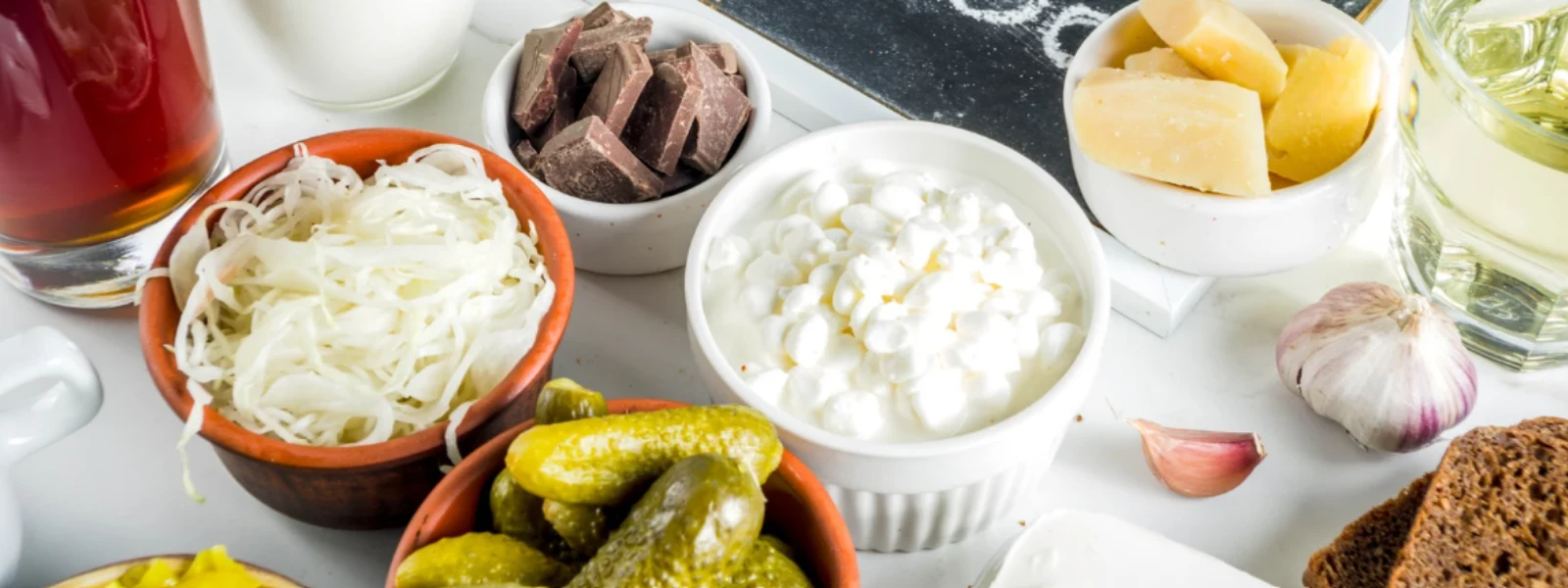
Fermented foods like yogurt, kefir, and sauerkraut provide beneficial bacteria and can support gut health. However, probiotic supplements typically contain higher concentrations of specific strains studied for IBS relief. For therapeutic purposes, supplements often provide more targeted and consistent bacterial delivery than fermented foods alone.
The relationship between probiotics and IBS management represents a promising avenue for natural symptom relief. Scientific evidence supports the use of specific probiotic strains for addressing various IBS symptoms, from bloating and pain to irregular bowel movements. While individual responses vary, many people find meaningful improvement when incorporating targeted probiotics into a comprehensive management strategy that includes dietary modifications, stress reduction, and lifestyle changes. The key lies in selecting appropriate strains for your specific IBS type and maintaining consistent supplementation while working with healthcare providers to monitor progress. As research continues to evolve, probiotics remain a valuable tool in the natural management of IBS symptoms.



