Probiotics & Meals: Everything You Need to Know


Your gut is home to trillions of bacteria that play a crucial role in digestion, immunity, and overall health. When you decide to support this complex ecosystem with probiotics, one question often arises: should probiotics be taken with meals? The timing of your probiotic intake can significantly impact how well these beneficial bacteria survive the journey through your digestive system and establish themselves in your gut.
Understanding the relationship between probiotics and food timing isn't just about following label instructions. It's about maximizing the effectiveness of these gut health supplements and ensuring you get the most value from your investment in digestive wellness. This comprehensive guide will explore the science behind probiotic timing, help you determine the best approach for your lifestyle, and provide practical strategies to optimize your probiotic benefits.
When you consume probiotics, these live microorganisms must survive a challenging journey through your digestive system. Your stomach produces powerful acid with a pH between 1.5 and 3.5, which is designed to kill harmful bacteria and break down food. Unfortunately, this same acid can also destroy the beneficial bacteria in your probiotic supplement before they reach your intestines.
Research published in the journal Beneficial Microbes shows that food acts as a protective buffer, helping probiotics survive stomach acid more effectively. When you take probiotics with meals, the food dilutes stomach acid and provides a more favorable environment for bacterial survival. Additionally, the presence of food triggers the release of digestive enzymes and bile, which can actually help some probiotic strains establish themselves more successfully in your gut.
The journey of probiotics through your digestive system involves several critical stages. In your stomach, the acidic environment poses the first major challenge. Studies indicate that probiotic survival rates can vary dramatically based on stomach pH levels, with some strains losing up to 90% of their viability in highly acidic conditions.
As probiotics move into your small intestine, they encounter a more alkaline environment with a pH between 7 and 8. This shift provides better conditions for bacterial survival, but the presence of bile salts presents another hurdle. Some probiotic strains have developed resistance to bile, while others require the protective effects of food to maintain their viability during this phase.
Finally, in your colon, surviving probiotics must compete with existing bacteria for space and nutrients. The food you consume alongside your probiotics can influence this colonization process by providing prebiotic fibers that feed beneficial bacteria and support their establishment in your gut microbiome.
Clinical studies comparing different timing strategies reveal interesting insights about probiotic effectiveness. A study published in Applied and Environmental Microbiology found that taking probiotics 30 minutes before a meal or during a meal resulted in significantly higher survival rates compared to taking them on an empty stomach.
However, the optimal timing can vary depending on the specific probiotic strain and formulation. Some enteric-coated probiotics are designed to resist stomach acid and may be equally effective whether taken with or without food. Multi-strain probiotics often benefit more from meal timing because different bacterial strains have varying levels of acid resistance.
Morning administration with breakfast offers several advantages, including better compliance and the opportunity to start your day with digestive support. Evening timing may be beneficial for certain strains that work optimally during the body's natural repair processes that occur during sleep.
Research suggests that taking probiotics approximately 30 minutes before eating or during the first few bites of a meal provides optimal conditions for bacterial survival. This timing allows the probiotics to benefit from the protective effects of food while avoiding the peak acid production that occurs during active digestion.
During meal consumption, stomach acid production is buffered by food, creating a window of opportunity for probiotics to pass through more safely. Post-meal timing, while less studied, may also be effective for certain formulations, particularly those designed with delayed-release mechanisms.
Did You Know?
Studies show that probiotic survival rates can increase by up to 10 times when taken with food compared to an empty stomach, depending on the strain and formulation.
The type of food you consume with your probiotics can significantly influence their survival and effectiveness. Foods rich in healthy fats, such as avocados, nuts, and olive oil, may enhance the absorption of fat-soluble vitamins and create a protective environment for certain probiotic strains.
Fiber-rich foods serve a dual purpose when taken with probiotics. Not only do they provide protective bulk during digestion, but they also act as prebiotics, feeding the beneficial bacteria and supporting their growth once they reach your colon. Vegetables, fruits, and whole grains are excellent choices for pairing with probiotic supplements.
Conversely, certain foods may interfere with probiotic function. Highly processed foods, excessive sugar, and artificial additives can create an environment that favors harmful bacteria over beneficial ones. Hot beverages and foods above 140°F can also kill live probiotics, so it's important to avoid taking your supplement with very hot meals or drinks.
Optimal food pairings for probiotics include oatmeal with berries, which provides both protective bulk and prebiotic fibers. Greek yogurt with nuts offers protein and healthy fats that support overall digestive health. Smoothies made with leafy greens, fruits, and a small amount of healthy fat create an ideal environment for probiotic delivery.
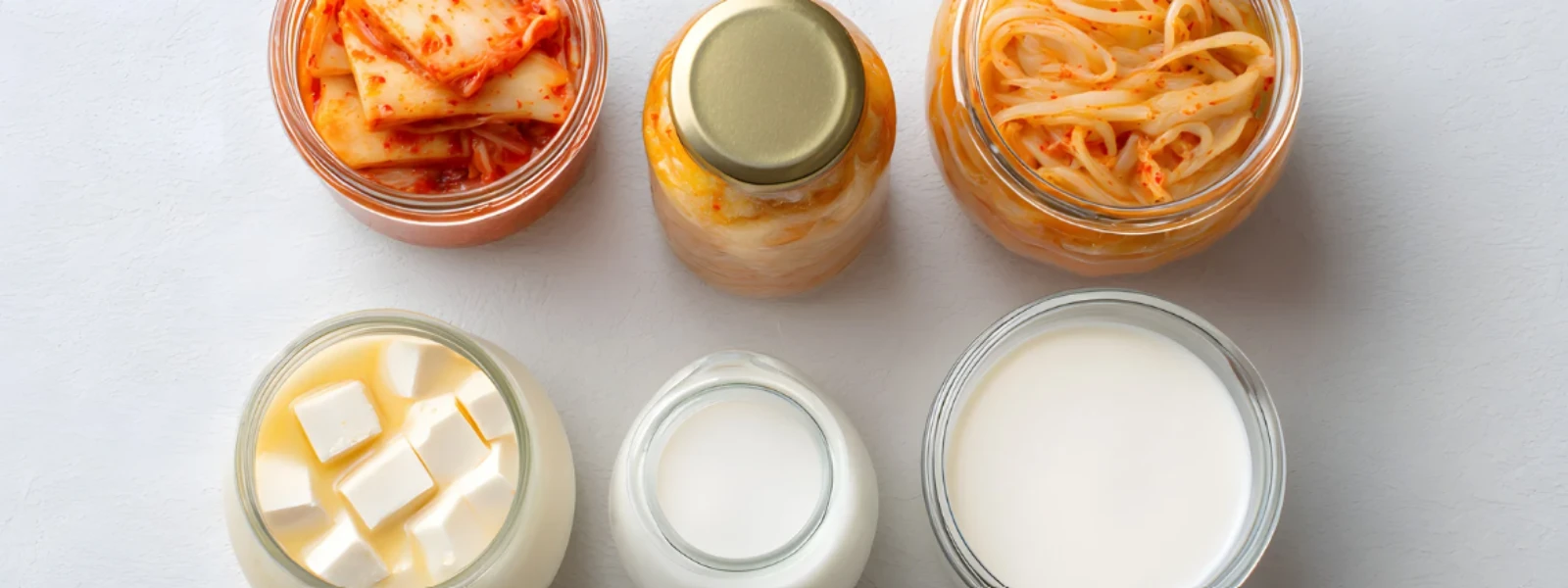
Fermented foods like sauerkraut, kimchi, or kefir can complement probiotic supplements by providing additional beneficial bacteria and creating a synergistic effect. However, avoid taking probiotics with foods high in preservatives or artificial ingredients, as these can negatively impact the gut microbiome.
The benefits of probiotics extend far beyond basic digestive support. Research demonstrates that these beneficial bacteria can support immune function, help maintain healthy cholesterol levels, and even influence mood through the gut-brain connection. However, realizing these benefits depends heavily on proper timing and usage.
When probiotics are taken consistently with appropriate timing, users often report improvements in digestive comfort, regularity, and overall gut health within 2-4 weeks. The key is maintaining consistent daily intake and allowing time for the beneficial bacteria to establish themselves in your gut microbiome.
Proper timing also influences the specific health outcomes you might experience. For digestive support, taking probiotics with your largest meal of the day may provide the most benefit. For immune support, consistent daily timing regardless of meal size appears to be most important.
Positive indicators that your probiotic timing strategy is effective include improved digestive regularity, reduced bloating or gas, and better overall digestive comfort. Many people also notice increased energy levels and improved mood as their gut health improves.
If you're not experiencing benefits after 4-6 weeks of consistent use, consider adjusting your timing strategy. Some individuals respond better to splitting their probiotic dose between two meals, while others find that changing the meal they take it with makes a difference.
Probiotic dosage is typically measured in Colony Forming Units (CFUs), which indicate the number of viable bacteria in each serving. Most effective probiotic supplements contain between 1 billion and 50 billion CFUs, though the optimal amount varies based on individual needs and health goals.
Meal timing can influence how much of your probiotic dosage actually reaches your intestines alive. When taken with food, you may achieve better results with a lower CFU count compared to taking a higher dose on an empty stomach. This is because food protection allows more bacteria to survive the journey through your digestive system.
For gut cleanse protocols, timing becomes even more critical. During a cleanse, your digestive system may be more sensitive, and taking probiotics with gentle, easily digestible foods can help minimize discomfort while supporting the restoration of healthy gut bacteria.
If you prefer taking probiotics on an empty stomach due to convenience or other factors, you may need a higher CFU count to compensate for reduced survival rates. Conversely, taking probiotics with meals may allow you to achieve the same benefits with a lower dose.
Multi-strain probiotics often require more careful timing consideration because different bacterial strains have varying levels of acid resistance. Single-strain formulations may be more forgiving in terms of timing, especially if they contain naturally acid-resistant strains.
While probiotics are generally safe for most people, some individuals may experience temporary side effects during the initial weeks of use. Common side effects include mild bloating, gas, or changes in bowel movements as your gut microbiome adjusts to the new bacteria.
Taking probiotics with meals can significantly reduce the likelihood and severity of these side effects. Food helps buffer the introduction of new bacteria and provides a more gradual adjustment period for your digestive system. This is particularly important for individuals with sensitive stomachs or those who haven't used probiotics before.
If you experience persistent or severe side effects, consider reducing your dosage, changing your timing strategy, or consulting with a healthcare provider. Some people find that starting with a lower dose and gradually increasing it while maintaining consistent meal timing helps minimize discomfort.
A gradual introduction protocol involves starting with probiotics taken with your smallest meal and gradually moving to larger meals as your system adjusts. This approach allows your gut to adapt slowly to the new bacteria without overwhelming your digestive system.
For particularly sensitive individuals, taking probiotics with a meal that includes easily digestible foods like rice, bananas, or cooked vegetables can provide gentle support during the adjustment period. Avoiding spicy, fatty, or highly processed foods during the initial weeks can also help reduce potential discomfort.
The best meal for taking probiotics is typically your most consistent daily meal, whether that's breakfast, lunch, or dinner. Many people find breakfast works well because it establishes a routine and provides a gentle start to digestive support for the day. However, if you eat a larger, more substantial lunch or dinner, these meals may provide better protective effects for probiotic survival.
It's best to avoid taking probiotics with hot beverages like coffee, as temperatures above 140°F can kill the live bacteria. Room temperature or cool beverages are fine, but taking probiotics with food rather than just liquids provides better protection during digestion. If you prefer taking supplements with your morning coffee, wait until the coffee cools or take your probiotics with food alongside your beverage.
When taking antibiotics, space your probiotic dose at least 2-3 hours away from your antibiotic dose to prevent the antibiotic from killing the beneficial bacteria. Continue taking probiotics during antibiotic treatment and for several weeks afterward to help restore your gut microbiome. Taking probiotics with meals during this time is especially important for maximizing bacterial survival.
Probiotics tend to work best with meals that contain some healthy fats and fiber, as these components provide protection during digestion and food for the bacteria once they reach your colon. Meals with moderate protein content also work well. Avoid taking probiotics with very spicy, highly processed, or extremely fatty meals, as these can create digestive stress that may interfere with probiotic effectiveness.
During a gut cleanse, take probiotics with your gentlest, most easily digestible meal of the day. This is often breakfast with simple foods like oatmeal, bananas, or toast. Avoid taking probiotics during fasting periods of a cleanse, as the lack of food protection can reduce bacterial survival when your digestive system may already be sensitive from the cleansing process.
Taking probiotics with meals generally provides the best outcomes for bacterial survival and effectiveness, though individual responses may vary. The protective effects of food, combined with proper timing and consistent daily use, can significantly enhance the benefits you receive from probiotic supplementation. Whether you choose breakfast, lunch, or dinner, the key is maintaining consistency and pairing your probiotics with appropriate foods that support digestive health. By understanding how meal timing affects probiotic absorption and effectiveness, you can make informed decisions that maximize your investment in gut health and overall wellness.



