Shilajit Purity: Expert Guide to Authenticity
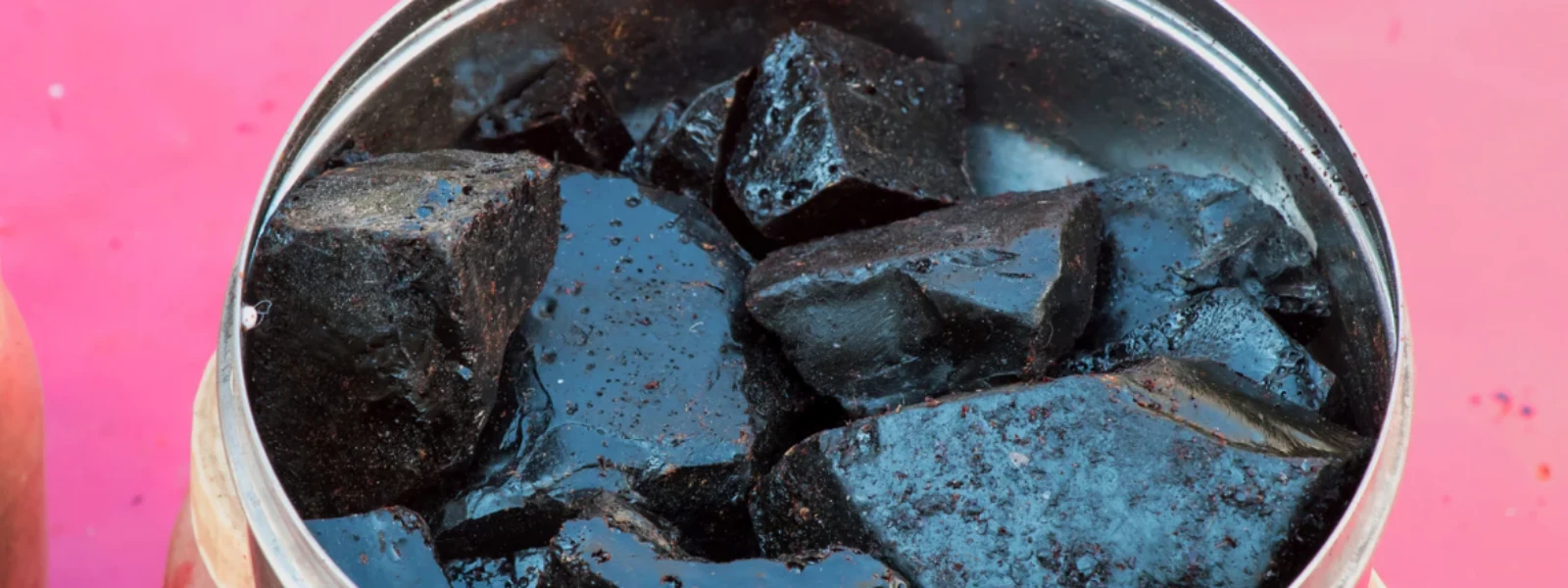


Shilajit, often called "the destroyer of weakness" in ancient Ayurvedic texts, has gained significant attention in modern wellness circles. This tar-like resin, formed over centuries from decomposed plant matter in high-altitude mountains, promises remarkable health benefits. However, the growing demand has led to a surge in counterfeit products flooding the market.
Understanding how to verify the purity of shilajit becomes crucial for anyone seeking its authentic benefits. This comprehensive guide will equip you with expert knowledge to distinguish genuine shilajit from inferior imitations, ensuring you make informed decisions about this powerful natural supplement.
Pure shilajit contains a complex matrix of bioactive compounds that contribute to its therapeutic properties. The most significant component is fulvic acid, which should comprise 15-20% of authentic shilajit. This organic compound acts as a natural carrier, enhancing the absorption of minerals and nutrients in the body.
Authentic shilajit resin also contains over 80 essential minerals in ionic form, including iron, copper, zinc, and manganese. These trace elements work synergistically with fulvic acid to support various bodily functions. The presence of humic substances, dibenzo-α-pyrones, and other bioactive compounds further distinguishes genuine shilajit from synthetic alternatives.
The color of pure shilajit varies from dark brown to black, depending on its mineral content and geographic origin. This natural variation is normal and doesn't indicate impurity. However, any artificial coloring or unnaturally uniform appearance should raise red flags about authenticity.
The Himalayan region produces some of the highest quality shilajit due to its unique geological conditions and extreme altitudes. Shilajit formed at elevations above 16,000 feet typically contains higher concentrations of beneficial compounds compared to lower altitude sources.
Seasonal collection timing significantly impacts shilajit quality. Traditional harvesters collect the resin during warmer months when it naturally oozes from rock crevices. This timing ensures optimal consistency and potency. Products harvested using modern extraction methods may lack the full spectrum of compounds found in traditionally collected shilajit.
The water solubility test remains one of the most reliable methods for testing shilajit quality at home. Pure shilajit should dissolve completely in warm water within 5-10 minutes, creating a golden-brown or reddish-brown solution without leaving any residue.
To perform this test, take a small piece of shilajit resin (about the size of a grain of rice) and place it in a glass of warm water. Authentic shilajit will gradually dissolve, turning the water a rich, dark color. If you notice any undissolved particles, sediment, or if the water remains clear, the product likely contains impurities or adulterants.
The dissolution process should be smooth and complete. Fake shilajit often contains insoluble materials like sand, coal tar, or other fillers that will settle at the bottom of the glass or float on the surface.
The flame test provides another reliable method to verify shilajit authenticity. When exposed to direct flame, pure shilajit will not catch fire but will bubble and produce a slight crackling sound. The resin should expand and foam without burning or producing smoke.
To conduct this test safely, take a small amount of shilajit on a metal spoon and hold it over a candle flame. Authentic shilajit will bubble and may produce a slight medicinal odor. If the substance catches fire, produces black smoke, or leaves ash residue, it likely contains adulterants or synthetic materials.
Always perform this test in a well-ventilated area and exercise caution when working with open flames.
Genuine shilajit exhibits distinct textural properties that change with temperature. At room temperature, pure shilajit should have a semi-solid, sticky consistency similar to thick honey or tar. When refrigerated, it becomes brittle and can be broken into pieces.
When warmed between your fingers or exposed to body heat, authentic shilajit becomes soft and malleable. This temperature-responsive behavior indicates the presence of natural resins and organic compounds. Synthetic products often maintain consistent texture regardless of temperature changes.
Expert Tip
Pure shilajit should never feel grainy or contain visible particles. The texture should be smooth and uniform, indicating proper processing and absence of foreign materials.
Professional laboratory testing provides the most accurate assessment of shilajit purity and composition. Fulvic acid concentration testing serves as a primary indicator of quality, with authentic products containing 15-20% fulvic acid content.
Heavy metal contamination screening is crucial for safety verification. Pure shilajit should contain minimal levels of potentially harmful metals like lead, mercury, and cadmium. Reputable manufacturers provide certificates of analysis showing heavy metal content well below safety thresholds.
Microbial testing ensures the absence of harmful bacteria, yeast, and mold that could compromise product safety. Additionally, pesticide residue analysis confirms that the shilajit hasn't been contaminated during processing or storage.
Look for products with third-party certifications from recognized organizations. ISO certification indicates adherence to international quality standards, while USDA organic certification ensures the product meets strict organic requirements.
Good Manufacturing Practice (GMP) compliance demonstrates that the manufacturer follows established quality control procedures throughout production. These certifications provide additional assurance of product authenticity and safety.
Unscrupulous manufacturers often mix coal tar with genuine shilajit to increase volume and reduce costs. Coal tar creates a similar dark appearance but lacks the beneficial compounds found in authentic shilajit. Products containing coal tar may have an overly strong petroleum-like odor and fail the dissolving test.
Artificial coloring agents are sometimes added to create the characteristic dark color of shilajit. These synthetic dyes may cause the water to turn an unnaturally bright or uniform color during the dissolving test, unlike the natural golden-brown hue of pure shilajit.
Some products contain synthetic fulvic acid or cheap filler materials like charcoal powder, sand, or plant extracts. These adulterants compromise the product's effectiveness and may pose health risks.
Be wary of products claiming unrealistic purity levels above 95%. Pure shilajit naturally contains various organic compounds, minerals, and trace elements, making 100% purity claims scientifically impossible.
Extremely low pricing often indicates inferior quality or adulterated products. Authentic shilajit requires careful collection and processing, which reflects in its pricing. Products significantly cheaper than market averages should be approached with caution.
Missing batch numbers, expiration dates, or certificates of analysis suggest poor quality control. Reputable manufacturers provide complete traceability information and testing documentation for their products.
Research suggests that authentic shilajit may support energy production at the cellular level through its interaction with mitochondria. The fulvic acid content helps transport nutrients across cell membranes, potentially enhancing overall vitality and stamina.
Studies indicate that pure shilajit may support cognitive function through its antioxidant properties. The mineral content, particularly iron and zinc, plays important roles in brain health and neurotransmitter function.
The anti-aging properties of shilajit are attributed to its antioxidant compounds, which may help protect cells from oxidative stress. Additionally, the mineral content supports various physiological processes that contribute to overall wellness.
Contaminated shilajit products may contain heavy metals that accumulate in the body over time, potentially leading to toxicity. These contaminants can interfere with normal cellular function and pose serious health risks.
Adulterated products often have reduced bioavailability, meaning the body cannot effectively absorb and utilize the beneficial compounds. This diminishes the potential health benefits and represents poor value for consumers.
Synthetic additives or contaminants may trigger allergic reactions or interact with medications. The lack of standardization in fake products makes it difficult to predict potential adverse effects.
Trustworthy suppliers provide complete transparency about their sourcing practices, including the specific geographic origin of their shilajit. They should offer detailed information about collection methods, processing techniques, and quality control measures.
Look for suppliers who provide comprehensive testing documentation, including certificates of analysis for each batch. This documentation should include fulvic acid content, heavy metal screening, and microbial testing results.
Responsive customer service indicates a company's commitment to customer satisfaction and product quality. Reputable suppliers should be willing to answer questions about their products and provide additional information when requested.
While price shouldn't be the only consideration, extremely low-priced products often indicate compromised quality. Calculate the cost per serving to make meaningful comparisons between different products and suppliers.
Consider the long-term value of investing in high-quality shilajit rather than repeatedly purchasing inferior products. Authentic shilajit's potency means smaller doses may be more effective than larger amounts of adulterated products.
You should test shilajit purity when you first receive a new batch or if you notice any changes in appearance, smell, or texture. Regular testing isn't necessary for products from reputable suppliers with consistent quality control.
The dissolving test works for both powder and resin forms, but the flame test is more effective with resin. Powder forms may dissolve faster but should still create the characteristic golden-brown color in water without leaving residue.
Pure shilajit has an indefinite shelf life when stored properly in a cool, dry place away from direct sunlight. The resin form typically maintains its potency longer than powder forms, which may degrade more quickly when exposed to moisture.
Store shilajit in its original container or an airtight glass jar away from heat, moisture, and direct sunlight. Avoid plastic containers, as they may interact with the resin over time. Refrigeration isn't necessary but can help maintain consistency in warmer climates.
Home testing methods like the dissolving test are completely safe. Exercise caution with the flame test by using proper ventilation and fire safety measures. These tests provide useful preliminary information, but professional laboratory analysis offers the most comprehensive safety verification.
Verifying shilajit purity requires a combination of visual inspection, simple home tests, and understanding quality indicators. The dissolving test, flame test, and texture assessment provide reliable methods for initial authenticity verification. However, professional laboratory testing offers the most comprehensive analysis for safety and potency confirmation. By recognizing the characteristics of authentic shilajit and understanding common adulteration methods, you can make informed decisions about product quality. Remember that genuine shilajit represents an investment in your wellness journey, and choosing authentic products ensures you receive the full spectrum of potential benefits this ancient remedy may offer.


Someone sent you
Powered by ReferRush


