Why You Crave Sweets: Gut Health Explained


That 3 PM chocolate craving isn't just about willpower. Your gut bacteria might be sending urgent messages to your brain, demanding their favorite fuel: sugar. Recent research reveals that the trillions of microorganisms living in your digestive system play a powerful role in determining what foods you crave, especially sweets.
Understanding the connection between gut health and sugar cravings can transform how you approach your relationship with food. This post explores the science behind why you're craving sweets and provides practical strategies to naturally reduce these urges by supporting your gut microbiome.
Your body communicates through cravings, but not all sugar desires stem from actual hunger. True hunger develops gradually and can be satisfied with various foods. Sugar cravings, however, strike suddenly and demand specific sweet foods.
From an evolutionary perspective, humans developed a preference for sweet foods because they signaled safe, energy-rich sources in nature. Fruits provided essential vitamins and quick energy for survival. Today, this ancient wiring works against us in a world filled with processed sugars.
When you're craving sweets intensely, your body might be signaling several underlying issues. Blood sugar imbalances, nutrient deficiencies, or hormonal fluctuations can all trigger these urgent demands for quick energy.
Sometimes, a persistent sweet tooth indicates that your gut bacteria are out of balance. Certain bacterial strains thrive on sugar and can actually influence your food choices by sending chemical signals to your brain.
Your gut houses over 100 trillion bacteria that form a complex ecosystem called the microbiome. These microorganisms don't just help digest food—they actively communicate with your brain through the vagus nerve, influencing your food preferences and cravings.
Research shows that specific bacterial strains can trigger sugar cravings by producing compounds that affect neurotransmitter production. When harmful bacteria outnumber beneficial ones, they send signals demanding their preferred fuel: simple sugars.
The gut-brain axis works both ways. Stress, poor sleep, and emotional states can alter gut bacteria composition, which then influences your desire for comfort foods like sweets. This creates a cycle where stress leads to gut health cravings, which temporarily relieve stress but ultimately worsen gut imbalance.
Did You Know?
Studies indicate that people with diverse, healthy gut bacteria report fewer intense food cravings and better appetite control than those with imbalanced microbiomes.
Signs that your gut health might be driving your craving sugar episodes include digestive issues, mood swings after eating, energy crashes, and cravings that feel beyond your control.
Skipping meals or eating refined carbohydrates alone causes blood sugar spikes followed by dramatic drops. During these crashes, your brain panics and demands quick energy, triggering intense sugar cravings.
The blood sugar rollercoaster creates a vicious cycle. You eat something sweet, feel temporarily energized, then crash again within hours, leading to more cravings.
Magnesium deficiency often manifests as chocolate cravings because cocoa is rich in this essential mineral. Your body instinctively seeks foods containing nutrients it lacks.
B-vitamin deficiencies can trigger cravings for quick energy sources because these vitamins are crucial for converting food into usable energy. When levels are low, your body seeks the fastest fuel available: sugar.
Chromium deficiency affects glucose metabolism, making it harder for cells to use sugar efficiently. This can lead to persistent craving sweets as your body struggles to maintain stable energy levels.
Menstrual cycle changes affect serotonin levels, often increasing desires for sweet, comforting foods. Estrogen and progesterone fluctuations can intensify these patterns.
Pregnancy brings increased caloric needs and hormonal changes that can trigger specific cravings, including intense desires for sweets.
Stress hormones like cortisol promote cravings for high-calorie comfort foods as part of the body's survival response.
Poor sleep disrupts ghrelin and leptin, hormones that regulate hunger and satiety. Sleep-deprived individuals often experience stronger sugar cravings because their tired brains seek quick energy.
When you're exhausted, your prefrontal cortex—responsible for decision-making—functions poorly, making it harder to resist sweet temptations.
Many people attempt sugar detox programs that completely eliminate sweets, but extreme restriction often backfires. The psychology of forbidden foods makes them more appealing, not less.
When you label foods as completely off-limits, your brain fixates on them. This mental restriction can intensify detox sweets cravings and lead to binge episodes when willpower inevitably weakens.
True cleanse cravings reduction comes from gradual changes that your body and mind can sustain. Cold turkey approaches often trigger stress responses that worsen gut imbalances and increase cravings.
Successful sugar reduction focuses on crowding out processed sweets with nutrient-dense alternatives rather than creating strict prohibitions. This approach supports gut health while naturally reducing desires for artificial sugars.
Fermented fruits like kefir with berries provide natural sweetness while delivering beneficial probiotics that support gut health. These healthy sweets satisfy cravings while nourishing your microbiome.
Dark chocolate with at least 70% cocoa contains compounds that support beneficial gut bacteria. Choose varieties with added probiotics for extra gut health benefits.
Naturally sweet vegetables like roasted sweet potatoes or carrots can satisfy sugar cravings while providing fiber that feeds beneficial bacteria.
Consuming sweets after exercise helps muscles absorb glucose more efficiently, reducing blood sugar spikes. This timing minimizes the impact on your gut bacteria balance.
Pairing sweet foods with protein and healthy fats slows sugar absorption, preventing the crashes that trigger more cravings.
Monk fruit sweetener doesn't feed harmful bacteria like regular sugar does, making it a gut-friendly option for those working to reduce sugar intake.
Stevia has been shown to support beneficial bacteria growth in some studies, though more research is needed to confirm these effects.
Raw honey contains prebiotic compounds that nourish beneficial gut bacteria, making it a better choice than refined sugars when used sparingly.
Supporting your gut microbiome through daily habits can naturally reduce gut health cravings over time. Focus on feeding beneficial bacteria with diverse, fiber-rich foods.
Meal timing affects gut bacteria activity. Eating at consistent times helps establish healthy circadian rhythms in your microbiome, which can reduce erratic cravings.
Include fermented foods like yogurt, kefir, sauerkraut, and kimchi in your diet. These probiotic-rich foods help maintain bacterial balance that supports stable blood sugar and reduced sugar desires.
Prebiotic foods like garlic, onions, asparagus, and bananas feed beneficial bacteria, helping them outcompete sugar-loving harmful strains.
Regular physical activity supports gut health by increasing bacterial diversity and improving the gut barrier function. Even moderate exercise can help reduce craving sugar episodes.
Stress management through meditation, deep breathing, or yoga helps maintain the gut-brain connection balance. Chronic stress disrupts gut bacteria and intensifies cravings.
Magnesium deficiency commonly triggers chocolate cravings, while B-vitamin deficiencies can cause general sweet cravings as your body seeks quick energy. Chromium deficiency affects blood sugar regulation, leading to persistent sugar desires. Iron deficiency can also manifest as cravings for sweet foods as your body attempts to boost energy levels.
Drink a large glass of water first, as dehydration often masquerades as hunger. Eat a small portion of protein like nuts or Greek yogurt to stabilize blood sugar. Take a 10-minute walk or do light stretching to redirect your focus. Practice deep breathing exercises to activate your parasympathetic nervous system and reduce stress-driven cravings.
Sudden increases in sweet cravings often result from blood sugar imbalances, increased stress levels, hormonal changes, poor sleep quality, or recent changes in your diet that have disrupted gut bacteria balance. Certain medications, illness, or major life changes can also trigger increased sugar desires.
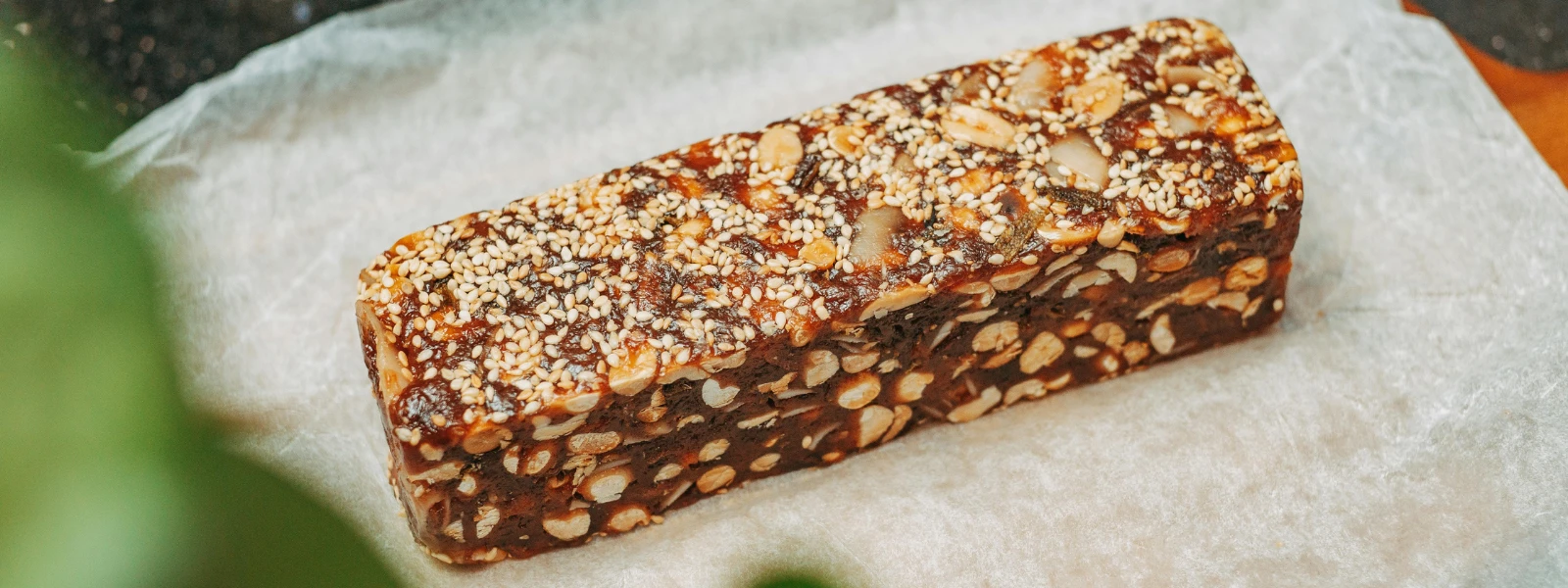
Choose whole fruits with natural fiber that slows sugar absorption. Try dates stuffed with nuts for natural sweetness plus protein. Dark chocolate with 70% or higher cocoa content provides antioxidants along with sweetness. Frozen grapes or berries can satisfy cravings for cold, sweet treats without added sugars.
Most people notice reduced sugar cravings within 1-2 weeks of consistently supporting gut health through proper nutrition, adequate sleep, and stress management. Complete rebalancing of gut bacteria can take 2-3 months, during which cravings typically continue to diminish gradually rather than disappearing overnight.
Understanding the gut-brain connection reveals why willpower alone isn't enough to control sugar cravings. Your microbiome plays a crucial role in determining what foods you desire, and supporting gut health naturally reduces the intensity and frequency of sweet cravings. By addressing underlying causes like nutrient deficiencies, blood sugar imbalances, and bacterial overgrowth, you can break free from the cycle of craving and restriction. Focus on nourishing your gut bacteria with diverse, whole foods while managing stress and maintaining consistent sleep patterns. This holistic approach creates lasting changes that make healthy choices feel natural rather than forced.



