7 Best Health Drinks for Kids' Wellness
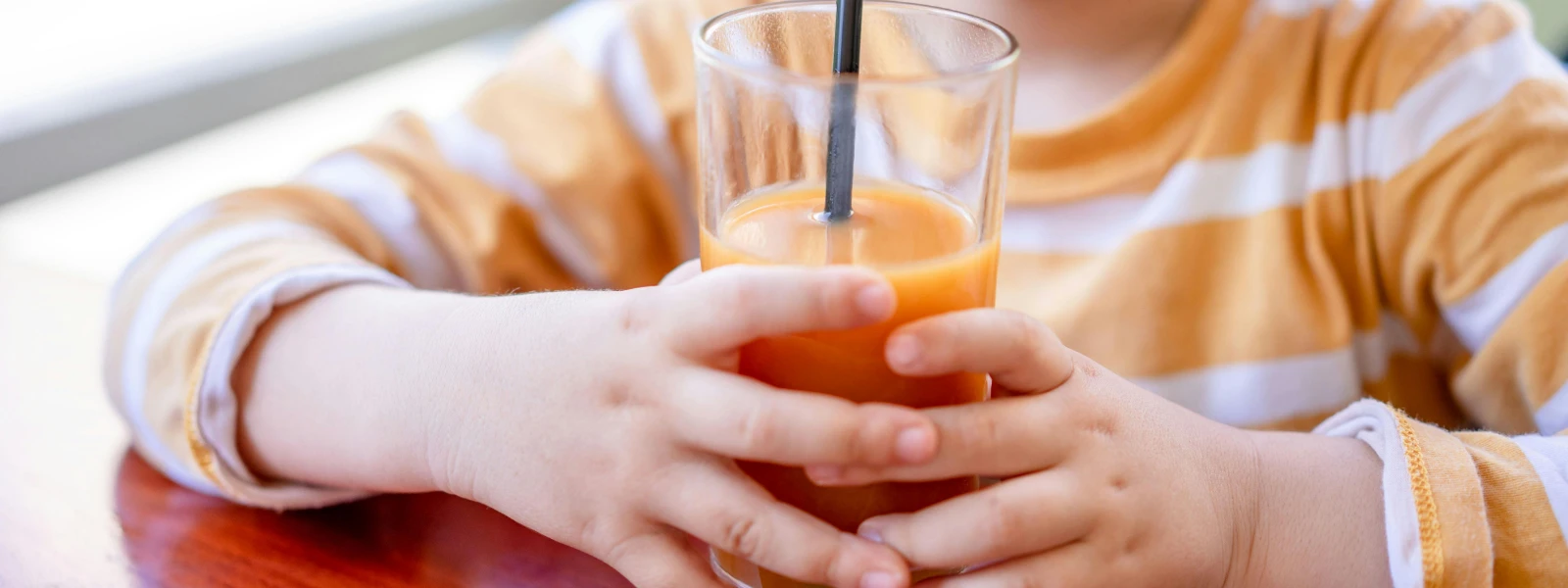


As parents, ensuring our children get proper nutrition can feel overwhelming. With countless beverage options available, finding the best health drink for 7 year old children requires understanding their unique nutritional needs. This comprehensive guide explores seven expert-recommended healthy drinks for kids that support growth, immunity, and overall wellness during crucial developmental years.
Children aged 5-12 experience rapid physical and cognitive development, making proper hydration and nutrition essential. The right nutritious drinks for children can bridge nutritional gaps while establishing healthy habits that last a lifetime.
Before exploring specific options, it's crucial to understand what constitutes healthy beverages for kids. Growing children require adequate calories, protein, vitamins, and minerals to support their development. A quality health drink should provide essential nutrients without excessive sugar or artificial additives.
Key nutrients to look for include calcium for bone development, Vitamin D for calcium absorption, protein for muscle growth, and Vitamin C for immune support. The best kids drinks also consider age-appropriate serving sizes and palatability to ensure children actually consume them.
Parents should be cautious of drinks containing artificial sweeteners, excessive caffeine, or high sugar content. Reading nutrition labels carefully helps identify beneficial ingredients versus marketing claims.
Traditional milk remains one of the most reliable nutritious drinks for children. Fortified versions provide additional vitamins and minerals that growing bodies need. These drinks typically contain high-quality protein, calcium, and essential vitamins like B12 and riboflavin.
For children who struggle with regular milk consumption, flavored varieties can increase acceptance while maintaining nutritional value. However, parents should monitor added sugar content and choose options with minimal artificial ingredients.
Homemade smoothies rank among the best drinks for children's health because parents control every ingredient. Combining fruits like berries, bananas, and mangoes with vegetables such as spinach or carrots creates nutrient-dense beverages children enjoy.
These healthy juice for kids options provide natural vitamins, minerals, and fiber. Adding ingredients like Greek yogurt increases protein content, while chia seeds contribute omega-3 fatty acids essential for brain development.
For families following plant-based diets or children with dairy sensitivities, fortified plant-based drinks offer excellent alternatives. Soy, almond, and oat-based options can provide comparable nutrition when properly fortified with calcium, Vitamin D, and B12.
These drinks for active kids support muscle development and recovery, especially important for children involved in sports or physical activities.
Gut health significantly impacts overall wellness in children. Probiotic drinks containing beneficial bacteria support digestive health and may boost immune function. Options include kefir, kombucha designed for children, or probiotic-enhanced smoothies.
These kids wellness drinks help establish healthy gut microbiomes early in life, potentially reducing digestive issues and supporting better nutrient absorption.
Did You Know?
Children's taste preferences are formed early, making it crucial to introduce healthy beverages during childhood. Studies show that children exposed to diverse, nutritious drinks are more likely to maintain healthy beverage choices into adulthood.
Traditional ingredients like turmeric, ginger, and honey create natural drinks for kids that support wellness. These beverages, when age-appropriate and properly diluted, can provide antioxidants and anti-inflammatory compounds.
Golden milk made with turmeric and warm milk offers a comforting bedtime drink that may support sleep quality and provide beneficial compounds for growing bodies.
Coconut water serves as an excellent natural electrolyte source for active children. Unlike commercial sports drinks, it provides potassium and natural sugars without artificial additives or excessive sodium.
These drinks for active kids help maintain proper hydration during physical activities while avoiding the artificial ingredients found in many commercial alternatives.
Immune boosting drinks for kids incorporate ingredients known to support immune function. Fresh orange juice provides Vitamin C, while drinks containing elderberry or echinacea may offer additional immune support during cold seasons.
However, parents should consult healthcare providers before introducing herbal supplements to children's diets, even in beverage form.
The best health drink for 7 year old children differs from what's appropriate for toddlers or teenagers. Seven-year-olds typically require 1,200-1,500 calories daily, with beverages contributing 10-15% of total caloric intake.
At this age, children can handle more complex flavors and textures, making it an ideal time to introduce diverse healthy drinks for kids. Their developing palates can appreciate the natural sweetness of fruits while learning to enjoy less sweet options.
Portion control remains important, with 6-8 ounces being appropriate serving sizes for most health drinks. This ensures children receive benefits without displacing solid food intake necessary for proper nutrition.
While commercial nutritious drinks for children offer convenience, homemade alternatives often provide better nutritional control. Parents can adjust sweetness levels, avoid artificial ingredients, and customize recipes based on their child's preferences and nutritional needs.
However, quality commercial options can supplement busy schedules when chosen carefully. Look for drinks with minimal ingredients, no artificial sweeteners, and appropriate nutrient profiles for children.
Cost-effectiveness also favors homemade options, as bulk ingredients for smoothies and natural drinks typically cost less than pre-made alternatives while providing superior nutrition.
Water remains the healthiest primary beverage for children. For nutritional supplementation, fortified milk or homemade smoothies with fruits and vegetables provide excellent nutrition without excessive additives.
Children should limit health drinks to 1-2 servings per day, with each serving being 6-8 ounces. The majority of their fluid intake should come from water, with health drinks supplementing rather than replacing regular meals.
Quality commercial health drinks can be safe when chosen carefully. Parents should read labels to avoid artificial sweeteners, excessive sugar, and unnecessary additives. Consulting pediatricians helps determine if commercial options meet individual children's needs.
Avoid artificial sweeteners like aspartame, high caffeine content, excessive added sugars, artificial colors, and preservatives. Also be cautious of herbal ingredients that haven't been tested for safety in children.
Health drinks should supplement, not replace, solid foods. While they can help bridge nutritional gaps for picky eaters, children need to learn to eat various textures and foods for proper development and long-term healthy eating habits.
Choosing the right health drinks for children involves balancing nutrition, taste, and safety considerations. The seven options outlined provide diverse ways to support children's wellness while establishing positive beverage habits. Remember that water should remain the primary beverage, with health drinks serving as nutritional supplements rather than meal replacements. By understanding children's developmental needs and reading labels carefully, parents can make informed decisions that support their child's growth and long-term health. Consider exploring natural, whole-food-based options that align with your family's nutritional philosophy and your child's individual needs.



