7 Best Kids Powder Options for Sensitive Skin
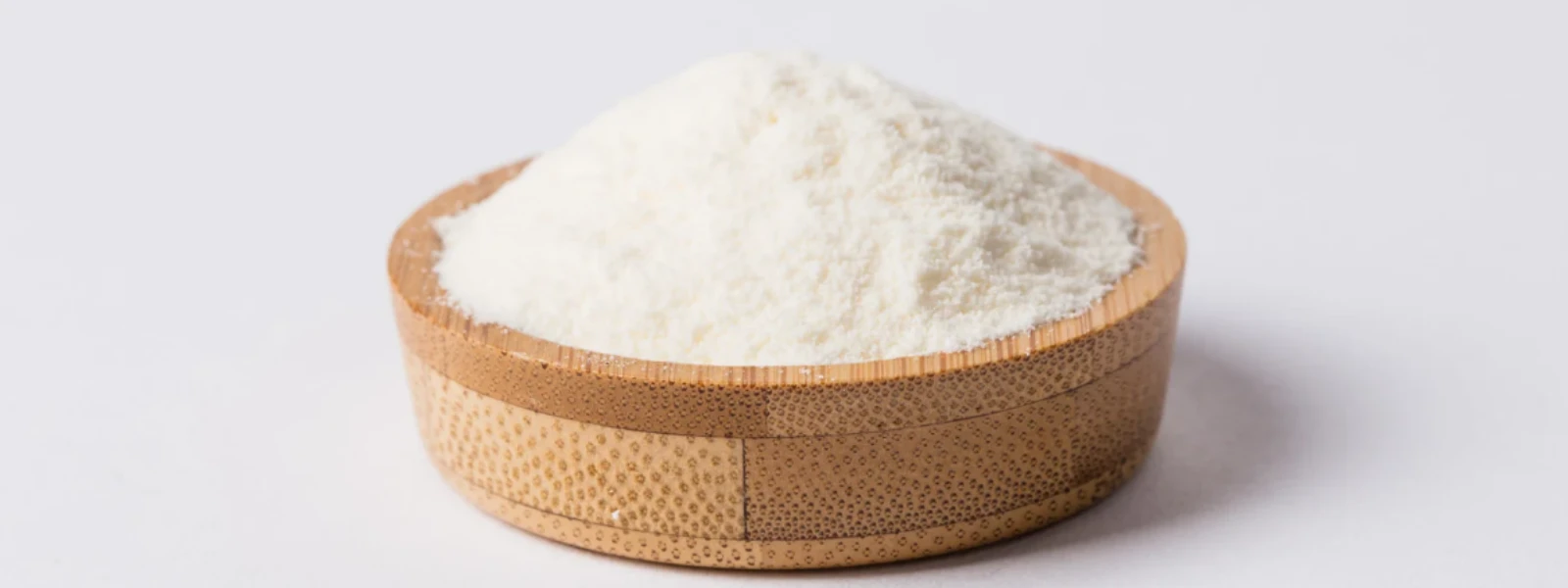


When it comes to protecting your child's delicate skin, choosing the right kids powder can feel overwhelming. With growing concerns about traditional talc-based products and their potential health risks, parents are increasingly seeking safer alternatives. This comprehensive guide explores seven carefully selected talc-free powder options specifically designed for sensitive skin, helping you make an informed decision that prioritizes your child's health and comfort.
Understanding which ingredients to look for and which to avoid is crucial for maintaining your little one's skin health. From cornstarch powder to organic formulations, we'll break down the science behind each option while keeping the information simple and actionable.
The landscape of baby powder has changed dramatically over the past decade. Traditional talc-based powders, once considered a nursery staple, now face serious scrutiny from health experts and regulatory bodies.
Talc, a mineral composed of magnesium, silicon, and oxygen, has been linked to respiratory issues when inhaled. More concerning is the potential for asbestos contamination, as talc and asbestos deposits often occur naturally near each other. The FDA has found asbestos in several talc-based products, prompting major recalls and safety warnings.
Pediatricians now strongly recommend avoiding talc-based products entirely. Dr. Sarah Chen, a board-certified dermatologist, explains that children's respiratory systems are particularly vulnerable to powder particles. When applied carelessly, these particles can become airborne and cause breathing difficulties.
The shift toward natural baby powder alternatives reflects a broader understanding of child safety. Parents are now prioritizing products with transparent ingredient lists and proven safety records.
Selecting the right powder for sensitive skin requires understanding key safety features and beneficial ingredients. The best talc-free powder options share several important characteristics.
Cornstarch powder stands out as the most popular talc alternative. Derived from corn kernels, it provides excellent moisture absorption without the health risks associated with talc. Cornstarch is naturally hypoallergenic and gentle enough for the most sensitive skin types.
Arrowroot powder offers another excellent option. This plant-based ingredient provides superior absorption while remaining completely natural. Many organic baby powder formulations combine arrowroot with other soothing botanicals like chamomile or calendula.
Zinc oxide serves dual purposes in powder for sensitive skin. It creates a protective barrier against moisture while offering mild antimicrobial properties. This ingredient is particularly beneficial for preventing diaper rash and soothing existing irritation.
Beyond talc, several other ingredients can irritate sensitive skin. Synthetic fragrances top the list of potential irritants. Even products labeled as "lightly scented" can trigger reactions in children with sensitive skin.
Parabens and sulfates, common preservatives in personal care products, can disrupt the skin's natural barrier function. Look for hypoallergenic powder options that explicitly state "paraben-free" and "sulfate-free" on their labels.
Expert Tip
Always perform a patch test before using any new kids powder. Apply a small amount to your child's inner arm and wait 24 hours to check for any adverse reactions. This simple step can prevent widespread irritation and help identify potential allergies early.
After extensive research and analysis of safety data, ingredient quality, and user reviews, these seven products represent the best options for children with sensitive skin.
Several brands have perfected cornstarch-based formulations that provide excellent moisture control without compromising safety. These products typically contain 99% pure cornstarch with minimal additional ingredients.
The simplicity of these formulations makes them ideal for children with multiple allergies or extremely sensitive skin. They offer reliable absorption and can be used as both body powder for kids and diaper rash powder when needed.
Organic baby powder options often combine cornstarch or arrowroot with carefully selected botanical ingredients. These formulations may include chamomile for its anti-inflammatory properties or lavender for its gentle, naturally calming scent.
When choosing organic options, verify that all ingredients are certified organic rather than just the primary base. This ensures the entire product meets strict organic standards and contains no synthetic additives.
Some natural baby powder products are specifically formulated to address common skin concerns. These may include additional zinc oxide for enhanced protection or colloidal oatmeal for its proven ability to soothe irritated skin.
Therapeutic powders often cost more than basic formulations, but they can be particularly valuable for children prone to skin irritation or those recovering from diaper rash.
Even the safest baby dusting powder can pose risks if applied incorrectly. Proper application techniques protect your child from inhaling particles while maximizing the product's benefits.
Never shake powder directly onto your child's skin. Instead, dispense a small amount into your palm, then gently pat it onto the desired area. This method significantly reduces the amount of airborne particles and gives you better control over application.
Focus application on areas prone to moisture buildup, such as skin folds and the diaper area. Avoid applying powder near your child's face or in areas where they might inhale particles during normal movement.
Store all powder products in secure locations away from children's reach. Even safe, natural formulations can cause respiratory irritation if a child accidentally inhales large quantities.
Sometimes the best choice is no powder at all. If your child has active skin irritation, open wounds, or respiratory conditions like asthma, consult your pediatrician before using any powder product.
Alternative moisture control methods include allowing skin to air dry completely after baths, using moisture-wicking fabrics, and applying barrier creams instead of powder in sensitive areas.
For parents who prefer complete control over ingredients, making homemade powder offers a simple, cost-effective solution. A basic recipe requires only pure cornstarch and optionally, arrowroot powder for enhanced absorption.
Mix equal parts cornstarch and arrowroot powder in a clean, dry container. Sift the mixture through a fine-mesh strainer to ensure smoothness and eliminate any lumps that could irritate sensitive skin.
Store homemade powder in an airtight container and use within six months. Without commercial preservatives, homemade formulations have shorter shelf lives but offer the peace of mind that comes with knowing exactly what touches your child's skin.
Cornstarch powder is generally considered safe for newborns when applied correctly. However, many pediatricians recommend avoiding all powders during the first few weeks of life while your baby's skin adjusts to the outside environment. Always consult your pediatrician before introducing any new products to your newborn's routine.
While quality talc-free powder typically helps prevent diaper rash, improper application or using products with irritating ingredients can potentially contribute to skin problems. Ensure you're using a hypoallergenic powder and applying it correctly to clean, dry skin.
Most children benefit from powder application once or twice daily, typically after baths and diaper changes. Over-application can lead to product buildup and potentially clog pores, so use sparingly and only when needed for moisture control.
Baby powder formulations are specifically designed for sensitive, delicate skin with gentler ingredients and fewer potential irritants. Adult body powders may contain fragrances, stronger active ingredients, or other components that could irritate children's skin.
While baking soda is natural, it's not recommended for regular use on children's skin. Its alkaline nature can disrupt the skin's natural pH balance and potentially cause irritation, especially on sensitive or broken skin.
Choosing the right kids powder for sensitive skin requires careful consideration of ingredients, safety features, and application methods. The seven talc-free options highlighted in this guide offer safe, effective alternatives to traditional baby powder while addressing the specific needs of delicate skin. Remember that the simplest formulations often work best for sensitive skin types, and when in doubt, consult your child's pediatrician for personalized recommendations. By prioritizing safety and understanding proper application techniques, you can confidently incorporate powder into your child's skincare routine while protecting their health and comfort.



