7 Natural Ways to Boost Kids' Immunity Today


As a parent, watching your child battle frequent colds or recover slowly from minor illnesses can be concerning. The good news? You have the power to naturally strengthen your child's immune system through simple, science-backed methods that work with their body's natural defenses.
Children's immune systems are still developing, making them more susceptible to infections than adults. However, this also means their bodies are incredibly responsive to positive changes in diet, lifestyle, and daily habits. Research shows that natural immunity boosters can significantly improve how well children fight off illnesses and recover from them.
In this comprehensive guide, you'll discover seven proven methods to boost kids immunity naturally. These strategies focus on nutrition, lifestyle habits, and simple daily practices that support your child's immune system development without relying on quick fixes or unproven remedies.
Children's immune systems function differently from adults. While adult immune systems have encountered numerous pathogens and built up defenses, kids are still learning to recognize and fight off new threats. This learning process is actually beneficial for long-term health, but it means children need extra support during their formative years.
Signs that your child's immune system may need natural support include frequent colds lasting longer than usual, slow healing from minor cuts or scrapes, persistent fatigue, or recurring infections. These indicators don't necessarily mean something is seriously wrong, but they suggest that natural immunity boosters could help strengthen their defenses.
The key difference between natural and synthetic immune support lies in how the body processes and utilizes these resources. Natural immunity boosters for children work with the body's existing systems, providing essential nutrients and supporting healthy habits that allow the immune system to function optimally.
Proper nutrition forms the foundation of a strong immune system. Certain vitamins and minerals play crucial roles in immune function, and ensuring your child gets adequate amounts can significantly impact their ability to fight off infections.
Vitamin C acts as a powerful antioxidant and supports white blood cell function. Foods rich in Vitamin C include citrus fruits, strawberries, bell peppers, and broccoli. Unlike adults, children need proportionally more Vitamin C relative to their body weight, making daily intake particularly important.
Vitamin D helps regulate immune responses and supports the production of antimicrobial proteins. While sunlight exposure helps the body produce Vitamin D naturally, dietary sources like fatty fish, egg yolks, and fortified foods become especially important during winter months or for children with limited outdoor time.
Zinc supports immune cell development and wound healing. Kid-friendly zinc sources include lean meats, nuts, seeds, and whole grains. However, balance is key – too much zinc can actually suppress immune function.
Yogurt and other fermented foods provide beneficial probiotics that support gut health. Since approximately 70% of immune cells reside in the digestive system, maintaining a healthy gut microbiome directly impacts overall immunity. Choose plain yogurt and add fresh fruits to avoid excess sugar.
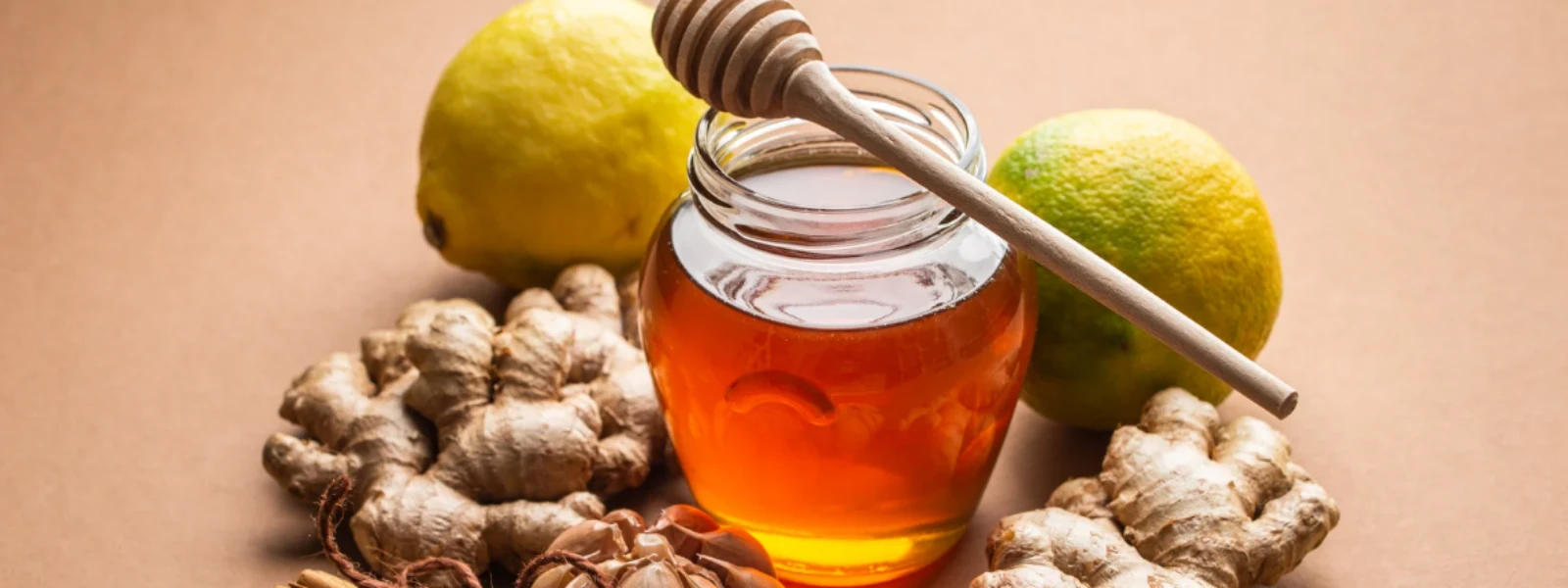
Garlic and ginger offer natural antimicrobial properties. These can be easily incorporated into soups, stir-fries, or smoothies. Start with small amounts and gradually increase as children develop a taste for these flavors.
Colorful fruits and vegetables provide a wide range of antioxidants and phytonutrients. The "eat the rainbow" approach ensures children get diverse nutrients that support different aspects of immune function. Aim for at least five different colors of produce daily.
Did You Know?
Children who eat five or more servings of fruits and vegetables daily have 50% fewer sick days compared to those eating fewer servings, according to research published in the Journal of School Health.
Creating immunity boosting recipes for kids doesn't have to be complicated. A simple smoothie combining berries, yogurt, and a small piece of fresh ginger provides Vitamin C, probiotics, and natural antimicrobial compounds in one delicious drink.
For meals, try incorporating turmeric into rice dishes or soups. This golden spice contains curcumin, which has anti-inflammatory properties that support immune function. Pair it with a small amount of black pepper to enhance absorption.
Sleep plays a critical role in immune system development and function. During deep sleep, the body produces and releases cytokines, proteins that help fight infection and inflammation. Children who consistently get adequate sleep show stronger immune responses to vaccines and recover faster from illnesses.
Age-appropriate sleep requirements vary significantly. Toddlers need 11-14 hours per day, preschoolers require 10-13 hours, school-age children need 9-11 hours, and teenagers should get 8-10 hours nightly. These aren't just recommendations – they're essential for optimal immune function.
Establishing consistent bedtime routines helps regulate circadian rhythms, which directly influence immune cell activity. A calming routine might include a warm bath, quiet reading, or gentle stretching exercises.
Screen time before bed can disrupt sleep quality by interfering with melatonin production. Implement a "screens off" rule at least one hour before bedtime to support natural sleep cycles and immune system recovery.
Regular physical activity strengthens the immune system by improving circulation, reducing stress hormones, and promoting the production of antibodies and white blood cells. However, the key word is "regular" – both too little and too much exercise can compromise immune function.
For children, moderate exercise includes activities that increase heart rate and breathing but still allow for conversation. This might include bike riding, swimming, playground activities, or organized sports appropriate for their age group.
Outdoor activities provide the added benefit of fresh air and natural sunlight exposure, which supports Vitamin D production. Even 15-20 minutes of outdoor play daily can make a significant difference in immune function.
Family fitness routines make exercise enjoyable while building healthy habits for kids immunity. Dancing, hiking, or playing active games together creates positive associations with physical activity that can last a lifetime.
While hygiene doesn't directly boost immunity, it prevents unnecessary exposure to harmful pathogens, allowing the immune system to focus on building strength rather than constantly fighting off preventable infections.
Proper handwashing remains one of the most effective ways to prevent illness. Teach children to wash hands for at least 20 seconds with soap and warm water, especially before eating, after using the bathroom, and after playing outside.
Maintaining clean living spaces without over-sanitizing helps children develop appropriate immune responses. Regular cleaning with natural products, ensuring good ventilation, and avoiding harsh chemicals supports both immune health and overall wellness.
Chronic stress weakens immune function by elevating cortisol levels, which suppress immune cell activity. Children experience stress differently than adults, and signs might include changes in sleep patterns, appetite, or behavior.
Age-appropriate stress management techniques include deep breathing exercises, creative activities like drawing or music, and ensuring children have adequate downtime for free play and relaxation.
Creating supportive family environments where children feel safe expressing emotions helps reduce chronic stress. Regular family time, open communication, and consistent routines provide the emotional stability that supports optimal immune function.
While whole foods should be the primary source of nutrients, certain situations may warrant natural supplements. These include limited dietary variety, seasonal changes affecting Vitamin D levels, or specific nutritional gaps identified by healthcare providers.
The best immunity supplements for kids typically include Vitamin D, probiotics, and omega-3 fatty acids. However, dosing for children differs significantly from adults, making professional guidance essential.
Natural doesn't always mean safe for children. Some herbs and supplements that benefit adults can be harmful to developing systems. Always consult healthcare providers before introducing any supplements, and choose products specifically formulated for children's needs.
Consistency matters more than perfection when building healthy habits for kids immunity. Start with small, manageable changes and gradually build upon success. This might mean adding one new fruit to daily meals or extending bedtime routines by just 10 minutes.
Seasonal adjustments help maintain immune support year-round. Summer might focus more on hydration and outdoor activities, while winter emphasizes warming foods and indoor exercise options.
Involving children in meal planning, grocery shopping, and food preparation builds their understanding of nutrition while making healthy choices feel empowering rather than restrictive. Create games around trying new foods or tracking daily water intake to maintain engagement.
Most children show initial improvements within 2-4 weeks of implementing consistent nutrition and lifestyle changes. However, building robust immunity is a gradual process that continues over months. Focus on establishing sustainable habits rather than expecting immediate dramatic changes.
Yogurt with live cultures, colorful fruits and vegetables, lean proteins, and whole grains provide the most comprehensive immune support. Citrus fruits, berries, leafy greens, and nuts offer particularly high concentrations of immune-supporting nutrients that children's bodies can easily absorb and utilize.
Children with strong immune systems typically recover from minor illnesses within normal timeframes, have good energy levels, sleep well, and don't experience frequent infections. They may still get sick occasionally, but illnesses are less severe and shorter in duration.
Avoid giving children adult-formulated supplements, excessive amounts of any single nutrient, or herbs like echinacea without professional guidance. Some natural remedies can interact with medications or may not be appropriate for developing immune systems.
Consult healthcare providers if your child experiences frequent infections, unusually long recovery times, persistent fatigue, or other concerning symptoms. They can help determine whether additional support is needed and recommend appropriate interventions.
Building strong immunity in children requires a comprehensive approach that combines proper nutrition, adequate sleep, regular physical activity, good hygiene, stress management, and consistent daily routines. These seven natural methods work together to support your child's developing immune system without relying on quick fixes or unproven remedies. Remember that small, consistent changes often produce the most lasting results. Start with one or two methods that feel most manageable for your family, then gradually incorporate additional strategies as these become routine. Your child's immune system will benefit from this patient, natural approach to wellness, setting the foundation for lifelong health and vitality.



