Best Health Drinks for Kids: Complete Parent Guide
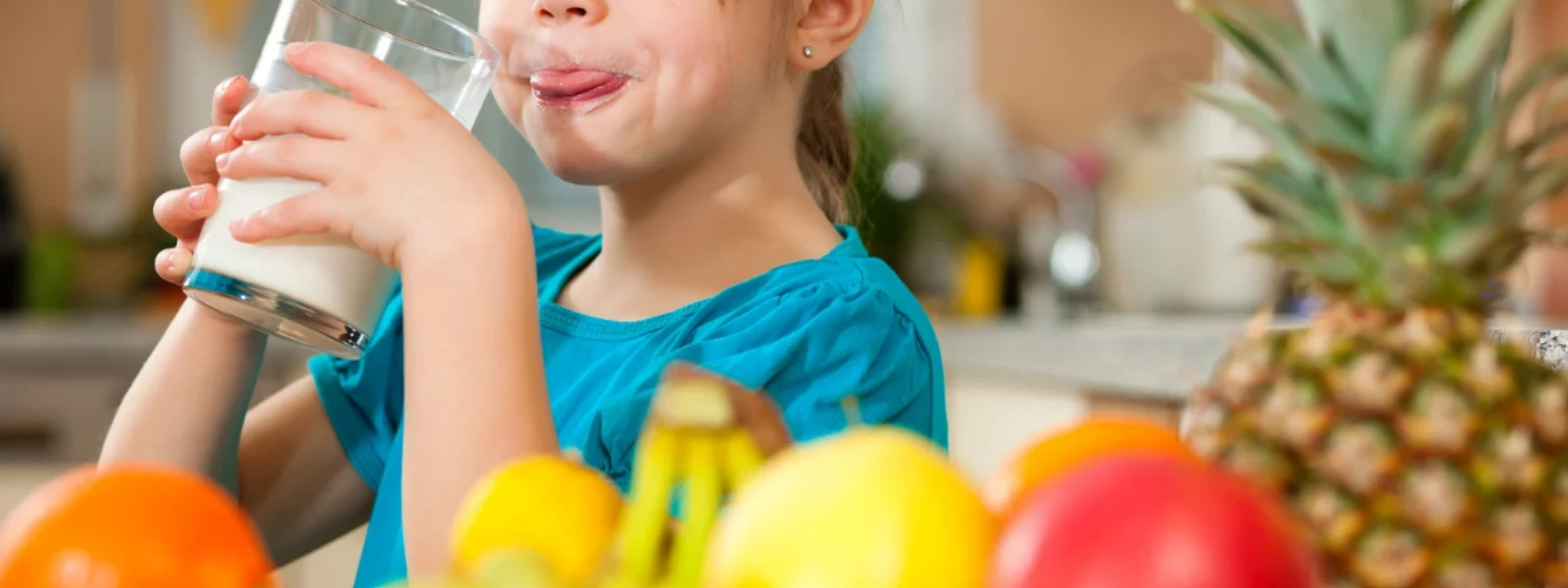


Choosing the right beverages for your child can feel overwhelming with countless options lining store shelves. From colorful sports drinks to vitamin-enhanced waters, the market is flooded with products claiming to be the best health drink for child development. However, understanding what truly constitutes a nutritious beverage for children requires looking beyond marketing claims and focusing on scientific evidence.
This comprehensive guide will help you navigate the world of healthy drinks for kids, providing evidence-based recommendations for different age groups and specific health needs. You'll learn to identify truly beneficial beverages, understand when specialized drinks are necessary, and discover practical ways to ensure your child stays properly hydrated while getting essential nutrients for optimal growth and development.
The foundation of any nutritious beverages for children lies in their ability to support growth, development, and overall health without introducing harmful additives or excessive sugars. A truly healthy drink should provide essential nutrients while maintaining appropriate calorie levels for a child's age and activity level.
Children's rapidly developing bodies require specific nutrients that quality health drinks can help provide. Calcium and Vitamin D work together to build strong bones and teeth, which is particularly crucial during peak growth periods. Protein supports muscle development and tissue repair, while Vitamin A, C, and E strengthen immune function and protect against oxidative stress.
Iron plays a vital role in cognitive development and preventing anemia, especially important for school-age children who need sustained energy for learning and physical activities. Healthy fats, particularly omega-3 fatty acids, support brain development and cognitive function, making them essential components of the best drinks for child growth.
When evaluating potential health drinks, certain ingredients should immediately signal caution. Excessive added sugars can lead to tooth decay, weight gain, and energy crashes that affect concentration and mood. The American Academy of Pediatrics recommends limiting added sugars to less than 25 grams per day for children over two years old.
Artificial colors and preservatives, while generally recognized as safe, offer no nutritional benefit and may cause adverse reactions in sensitive children. High caffeine content is particularly concerning for children, as their smaller body size makes them more susceptible to caffeine's effects on sleep patterns and nervous system development.
Even the healthiest drinks can become problematic when consumed in inappropriate quantities. Toddlers aged 2-3 years should limit fruit juice to 4 ounces daily, while children 4-6 years can have up to 6 ounces. School-age children may have 8 ounces of 100% fruit juice daily, but water should remain their primary beverage choice.
Understanding the best categories of healthy drinks for kids helps parents make informed choices based on their child's specific needs and preferences. Each category offers unique benefits and should be considered within the context of a child's overall diet and lifestyle.
Plain water remains the ultimate healthy choice for children of all ages. It provides essential hydration without calories, sugars, or additives that could interfere with appetite or dental health. Children aged 2-3 years need approximately 4 cups of water daily, while those 4-8 years require 5 cups, and older children need 7-8 cups.
Making water more appealing can be achieved through creative presentation rather than additives. Colorful cups, fun straws, or adding slices of fresh fruit can encourage adequate water consumption without compromising its health benefits.
Dairy milk provides high-quality protein, calcium, and Vitamin D essential for bone development. For children with lactose intolerance or dairy allergies, fortified plant-based alternatives like soy, almond, or oat milk can provide similar nutritional benefits when properly fortified with calcium and Vitamin D.
The protein content varies significantly among plant-based options, with soy milk providing the closest match to dairy milk's protein profile. Parents should carefully read labels to ensure adequate fortification and avoid options with excessive added sugars.
When consumed in appropriate portions, 100% fruit and vegetable juices can contribute valuable vitamins and minerals to a child's diet. However, these should be treated as supplements to, not replacements for, whole fruits and vegetables. The fiber content in whole fruits helps slow sugar absorption and promotes satiety.
Vegetable juices often provide more nutrients with less sugar than fruit juices, making them excellent options for vitamin rich drinks for kids. Combinations like carrot-apple or beet-berry can make vegetables more palatable while maintaining nutritional density.
Did You Know?
A single 8-ounce glass of orange juice contains the same amount of sugar as a small candy bar, but lacks the fiber that would slow sugar absorption when eating whole oranges. This is why nutrition experts recommend limiting even 100% fruit juices and prioritizing whole fruits instead.
Certain situations may call for specialized immunity boosting drinks for kids that provide targeted nutritional support. Understanding when and how to incorporate these options can help optimize your child's health during growth spurts, illness recovery, or periods of increased physical activity.
Probiotic drinks can support digestive health and immune function by promoting beneficial gut bacteria. Natural options like kefir or yogurt-based smoothies provide probiotics along with protein and calcium. When choosing commercial probiotic drinks, look for products with live, active cultures and minimal added sugars.
The digestive system houses approximately 70% of the immune system, making gut health crucial for overall wellness. Probiotic drinks for kids can be particularly beneficial during or after antibiotic treatments, which can disrupt natural gut flora.
Active children who participate in sports or extended physical activities may benefit from electrolyte drinks for children to replace minerals lost through sweat. However, most children's daily activities don't require specialized electrolyte replacement beyond adequate water intake.
Natural electrolyte sources like coconut water provide potassium and magnesium without artificial additives. Homemade options using water, a pinch of sea salt, and fresh lemon juice can provide effective electrolyte replacement for extended activities lasting over an hour.
Some children may benefit from comprehensive nutrition drinks that provide multiple essential nutrients in a convenient format. Wellbeing Nutrition Kids Superfuel is India's only Clean Label Certified kid's nutrition mix, scientifically formulated with 30 essential growth nutrients for children aged 7 and above. Each scoop delivers 9g milk protein, 23 vitamins & minerals, 2B CFU probiotics, 3g prebiotic fiber and zero refined sugar to support growth, brain development, immunity & digestion.
This comprehensive approach provides 3x more protein than typical alternatives, supporting active growth with 9g of protein per scoop, fulfilling 40% of daily protein requirements. It also offers 8x more Omega-3 DHA to support brain development, providing 100mg per scoop sourced from vegan algae, and 6x more calcium to help build bone strength, supplying 325mg per scoop.
The decision between natural health drinks for children and commercial alternatives often depends on convenience, budget, and specific nutritional needs. Understanding how to evaluate both options ensures you can make the best choice for your family's lifestyle and your child's health requirements.
Reading nutrition labels becomes crucial when selecting commercial health drinks. Look for products with minimal ingredients, no artificial colors or flavors, and limited added sugars. The ingredient list should be understandable, with recognizable whole food sources rather than synthetic additives.
Pay attention to serving sizes, as manufacturers sometimes use smaller portions to make nutritional values appear more favorable. Compare similar products based on equal serving sizes to make accurate nutritional assessments.
Homemade healthy smoothies for children offer complete control over ingredients and can be customized to individual tastes and nutritional needs. Combining fruits, vegetables, protein sources like yogurt or nut butters, and healthy fats creates balanced beverages that support sustained energy and growth.
Seasonal ingredients can provide variety while ensuring peak nutritional content and flavor. Summer smoothies might feature berries and stone fruits, while winter options could incorporate citrus fruits and root vegetables for immune support during cold season.
Busy family schedules sometimes necessitate convenient options that don't compromise nutritional quality. When selecting commercial products, prioritize those with clean ingredient lists, appropriate nutritional profiles, and minimal processing. Some commercial options can serve as backup choices for particularly hectic days while maintaining nutritional standards.
Even well-intentioned parents can make mistakes when selecting beverages for their children. Understanding these common pitfalls helps ensure that your efforts to provide healthy drinks actually support your child's nutritional needs rather than inadvertently undermining them.
Many parents assume that fruit juice automatically qualifies as a healthy choice, but even 100% fruit juices can contribute excessive sugars when consumed in large quantities. The concentration of sugars in juice, without the fiber present in whole fruits, can lead to rapid blood sugar spikes and crashes that affect mood and energy levels.
Better alternatives include diluting juices with water, choosing vegetable-based juices with lower sugar content, or creating smoothies that include whole fruits with their beneficial fiber intact.
While nutritious beverages can supplement a child's diet, they shouldn't regularly replace solid meals. Whole foods provide textures, chewing experiences, and nutrient combinations that drinks cannot fully replicate. The act of chewing also promotes proper jaw development and dental health.
Supplement drinks should enhance rather than replace balanced meals, providing additional nutrients during growth spurts or periods of increased nutritional needs.
Every child has unique nutritional requirements based on age, activity level, growth patterns, and any food allergies or intolerances. A drink that works well for one child may not be appropriate for another, even within the same family.
Consider your child's specific needs, preferences, and any medical recommendations when selecting beverages. Regular consultation with pediatricians can help ensure that beverage choices align with overall health goals.
Water remains the best primary beverage for children, supplemented by plain milk or fortified plant-based alternatives for additional nutrients. For comprehensive nutritional support, products like Wellbeing Nutrition Kids Superfuel provide scientifically formulated nutrition with 30 essential growth nutrients, including protein, vitamins, minerals, probiotics, and omega-3 fatty acids without added sugars or artificial ingredients.
Daily fluid needs vary by age: toddlers (2-3 years) need about 4 cups, preschoolers (4-8 years) require 5 cups, and older children need 7-8 cups of total fluids daily. Water should comprise the majority of this intake, with other beverages like milk contributing additional nutrients while counting toward total fluid requirements.
Homemade smoothies offer complete ingredient control and can be customized for individual needs and preferences. However, quality commercial options with clean labels and appropriate nutritional profiles can provide convenience without compromising health benefits. The best choice depends on your family's schedule, nutritional goals, and access to fresh ingredients.
Specialized nutrition drinks may be beneficial during periods of rapid growth, recovery from illness, increased physical activity, or when regular diet alone doesn't meet nutritional needs. Children with specific dietary restrictions or those who are particularly picky eaters might also benefit from comprehensive nutrition supplements to ensure adequate nutrient intake.
Avoid drinks with excessive added sugars (more than 25g daily for children over 2), artificial colors and flavors, high caffeine content, and unnecessary preservatives. Also be cautious of drinks marketed as healthy but containing hidden sugars, artificial sweeteners inappropriate for children, or nutrient claims that seem too good to be true.
Selecting the best health drinks for children requires balancing nutritional needs, taste preferences, and practical considerations like convenience and budget. While water and plain milk form the foundation of healthy hydration, strategic use of 100% fruit juices, homemade smoothies, and quality nutrition supplements can enhance your child's overall nutritional intake. The key lies in reading labels carefully, understanding your child's individual needs, and avoiding common pitfalls like excessive juice consumption or using drinks as meal replacements. By focusing on whole food ingredients, minimal processing, and age-appropriate portions, you can ensure that your beverage choices support your child's growth, development, and long-term health. Remember that the best approach often combines multiple options rather than relying on any single solution, creating a varied and nutritionally complete beverage plan that grows with your child's changing needs.



