How to Choose the Best Protein Powder for Kids
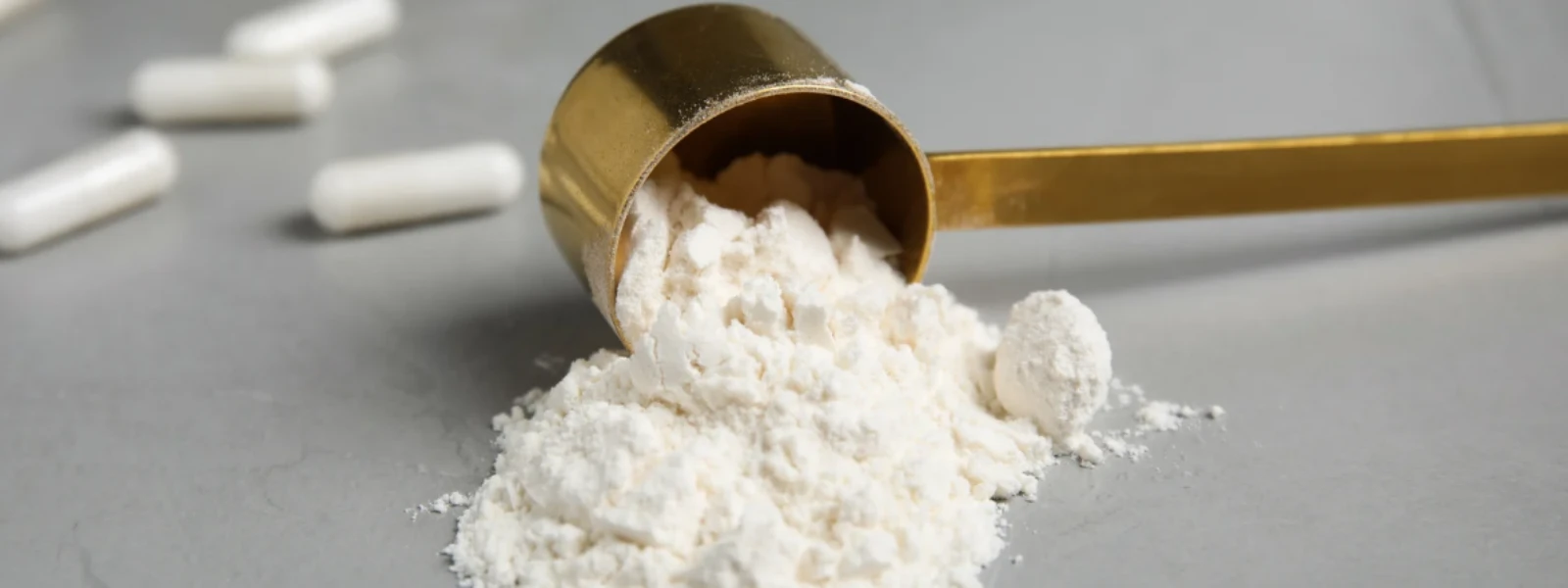


Choosing the right nutrition for your growing child can feel overwhelming, especially when considering protein supplements. With rising awareness about child nutrition and the increasing availability of protein powders in the Indian market, many parents wonder if their children need additional protein support and how to select the safest, most effective options.
This comprehensive guide will help you understand when protein supplementation might be beneficial for your child, what to look for in quality products, and how to make informed decisions about the best protein powder for child in India. You'll learn about different types of protein supplements, safety considerations, and natural alternatives that can support your child's healthy growth and development.
Protein serves as the building block for your child's rapidly developing body. During childhood, protein supports muscle development, tissue repair, and the formation of enzymes and hormones essential for growth. It also plays a crucial role in brain development, helping improve cognitive function and learning capacity.
Children's protein needs are proportionally higher than adults because they're constantly growing. Their bodies require protein not just for maintenance but for creating new tissues, bones, and organs. Additionally, protein supports immune system function, helping children fight off infections and stay healthy.
Understanding how much protein your child needs helps determine whether supplementation is necessary. Toddlers aged 1-3 years typically need about 13 grams of protein daily, while preschoolers aged 4-8 years require approximately 19 grams. School-age children between 9-13 years need around 34 grams of protein per day.
These requirements can usually be met through a balanced diet including dairy products, legumes, eggs, and meat or fish. However, picky eaters, vegetarian children, or those with specific dietary restrictions might benefit from additional protein support through carefully chosen supplements.
Several signs might indicate your child could benefit from additional protein support. These include slower than expected growth patterns, frequent illnesses suggesting compromised immunity, persistent low energy levels, or extremely selective eating habits that limit protein intake.
However, it's important to consult with a pediatrician before starting any supplementation. They can assess your child's individual needs and determine whether dietary changes or supplements would be most beneficial.
Whey protein is derived from milk and contains all essential amino acids needed for growth. It's easily digestible and quickly absorbed, making it effective for supporting muscle development and recovery. Many protein powder for kids products use whey as their primary ingredient because of its complete amino acid profile.
However, children with lactose intolerance might experience digestive discomfort with whey protein. Look for lactose-free whey options or consider alternative protein sources if your child has dairy sensitivities.
Plant-based proteins offer excellent options for vegetarian families or children with dairy allergies. Pea protein provides a complete amino acid profile and is easily digestible. Rice protein, while lower in some amino acids, can be combined with other plant proteins to create a complete nutritional profile.
These options are often gentler on sensitive stomachs and provide additional benefits like fiber and antioxidants. Many best protein for children formulations now combine multiple plant proteins to ensure complete nutrition.
Did You Know?
Children's protein needs can be met through just 2-3 servings of protein-rich foods daily. A glass of milk, a small serving of dal, and an egg can provide most of the protein a school-age child needs for healthy growth.
Egg white protein offers another complete amino acid source that's highly bioavailable. It's ideal for children who can tolerate eggs but have dairy sensitivities. Casein protein, also from milk, releases amino acids slowly, making it potentially beneficial for sustained nutrition support.
These options provide variety for children who might get bored with single-source proteins and can be rotated to maintain interest in supplementation.
The best protein powder for child in India should contain all nine essential amino acids that the body cannot produce on its own. These include leucine, isoleucine, and valine, which are particularly important for muscle development and energy production.
Look for products that clearly list their amino acid content and avoid those with incomplete profiles that might not support optimal growth and development.
Quality nutritional powder for kids india often includes additional nutrients that support overall health. Calcium supports bone development, iron aids cognitive function and prevents anemia, and Vitamin D enhances immune function and calcium absorption.
B-vitamins help convert food into energy and support nervous system development. These additions can make protein supplements more comprehensive nutrition support tools rather than just protein sources.
Children are more likely to consistently use supplements that taste good. Look for products using natural fruit flavors and sweeteners like stevia or monk fruit instead of artificial additives or excessive sugar.
Avoid products with artificial colors, preservatives, or high sugar content that might contribute to dental problems or energy crashes.
Most protein supplements for child growth are designed for children over 2 years old. Younger children typically get adequate protein from breast milk, formula, and solid foods. Always follow manufacturer guidelines and consult healthcare providers before starting supplementation.
Dosage should be based on your child's age, weight, and individual needs rather than adult recommendations. Start with smaller amounts and gradually increase if needed and well-tolerated.
Choose products that undergo third-party testing for purity and potency. Look for certifications indicating the product meets safety standards and is free from harmful contaminants like heavy metals or pesticides.
Reputable manufacturers will provide detailed information about their testing procedures and quality control measures.
Before considering supplements, explore protein rich foods for children available in Indian cuisine. Dal provides excellent plant-based protein, while paneer, yogurt, and milk offer complete animal proteins. Traditional foods like sattu (roasted gram flour) provide both protein and other essential nutrients.
Sprouted grains and legumes increase protein availability and add variety to your child's diet. These natural sources often provide additional benefits like fiber, vitamins, and minerals.
Incorporate healthy protein options for kids into familiar foods. Add protein powder to smoothies with fruits and yogurt, mix it into pancake batter, or blend it into homemade ice cream. These approaches make nutrition fun and appealing to children.
Traditional Indian breakfast items like upma can be enhanced with nuts and seeds, while evening snacks can include protein-rich options like roasted chickpeas or homemade protein balls.
Creating protein shakes for kids at home allows complete control over ingredients and flavors. Combine milk or plant-based alternatives with fruits, nuts, and natural sweeteners. Add ingredients like dates, almonds, or peanut butter for extra nutrition and flavor.
These homemade options often cost less than commercial supplements and can be customized to your child's preferences and dietary requirements.
Children's protein powders typically contain smaller serving sizes, milder flavors, and additional nutrients like vitamins and minerals that support growth. They also avoid ingredients that might be inappropriate for developing bodies, such as certain artificial additives or stimulants.
Signs include consistently poor appetite for protein-rich foods, slower growth compared to peers, frequent illnesses, or fatigue. However, a pediatrician should evaluate these symptoms as they could indicate other issues. Most children get adequate protein from a varied diet.
Plant-based proteins can be equally effective when they provide complete amino acid profiles. Many modern plant protein blends combine different sources to ensure all essential amino acids are present. They're particularly beneficial for vegetarian children or those with dairy sensitivities.
Most experts recommend waiting until at least age 2, and many suggest protein supplements are rarely necessary before age 4-5 unless specifically recommended by a healthcare provider. Younger children typically get adequate protein from milk, formula, and solid foods.
Look for products with third-party testing, clear ingredient lists, appropriate certifications, and positive reviews from other parents. Consider your child's specific needs, dietary restrictions, and taste preferences. Consulting with a pediatric nutritionist can provide personalized guidance.
Selecting the best protein powder for your child requires careful consideration of their individual needs, safety standards, and quality ingredients. While many children can meet their protein requirements through a balanced diet rich in traditional Indian foods, supplements can provide valuable support for picky eaters or those with specific dietary challenges. Remember that protein supplements should complement, not replace, a varied and nutritious diet. Always consult with healthcare professionals before starting any supplementation program, and prioritize products that meet high safety and quality standards. By making informed choices and focusing on your child's overall nutrition, you can support their healthy growth and development effectively.



