Protein Drinks for Kids: Your Complete Guide
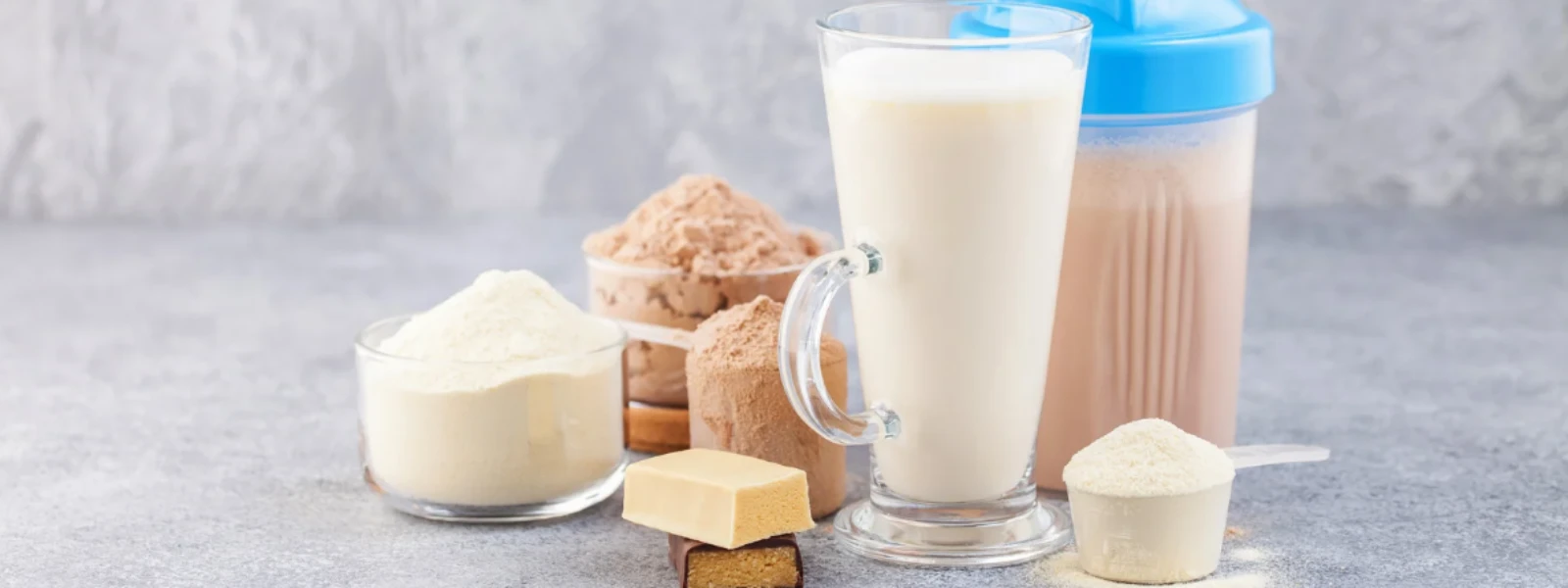


As parents, we constantly seek ways to ensure our children receive proper nutrition for healthy growth and development. With busy schedules and picky eating habits, many families are turning to protein drinks for kids as a convenient nutritional solution. This comprehensive guide explores the safety, benefits, and best practices for incorporating protein drinks into your child's diet.
Understanding when and how to use protein drinks for children requires careful consideration of age-appropriate options, nutritional needs, and safety guidelines. Whether you're dealing with a selective eater, supporting an active young athlete, or addressing specific nutritional gaps, this guide will help you make informed decisions about protein supplementation for your child.
Children's protein requirements vary significantly based on age, activity level, and individual growth patterns. Most children can meet their protein needs through a balanced diet, but certain circumstances may warrant additional protein support through nutritional drinks for kids.
Some children may benefit from protein drinks due to specific medical conditions or growth challenges. Children with failure to thrive, chronic illnesses affecting appetite, or digestive disorders that impair nutrient absorption may require additional protein support. Pediatricians often recommend protein shakes for children recovering from illness or surgery when appetite remains poor.
Selective eating patterns, common in children with autism spectrum disorders or sensory processing issues, can create nutritional gaps that protein drinks help address. These healthy drinks for kids provide essential nutrients when traditional food sources prove challenging.
Young athletes participating in intensive sports programs may have elevated protein needs to support muscle recovery and growth. However, most active children can still meet these needs through whole foods. Protein smoothies for kids become beneficial when training schedules make regular meals difficult or when appetite doesn't match increased energy expenditure.
The timing of protein intake matters for active children. Post-exercise protein consumption within 30 minutes can optimize muscle recovery and adaptation, making protein drinks a convenient option for busy families.
Safety remains the primary concern when considering protein drinks for kids. Understanding age-specific guidelines helps parents make responsible choices about supplementation.
Toddlers require approximately 13-16 grams of protein daily, while preschoolers need 19-20 grams. Most children this age can easily meet these requirements through regular meals and snacks. Protein drinks should only be considered under pediatric guidance for specific medical conditions.
When protein supplementation is necessary for young children, diluted preparations and smaller serving sizes are essential. The developing kidneys of toddlers process protein differently than older children, making moderation crucial.
School-age children typically need 19-34 grams of protein daily, depending on size and activity level. This age group can safely incorporate protein drinks when used appropriately as part of a balanced diet rather than meal replacements.
Best protein drinks kids in this age group should contain no more than 10-15 grams of protein per serving. Higher amounts may exceed their needs and potentially strain developing organs.
Teenagers experience rapid growth spurts and may have protein needs approaching adult levels (34-52 grams daily). Protein shakes for children in this age group can safely contain 15-25 grams of protein per serving, especially for active teens.
Expert Insight
According to pediatric nutrition research, children who consume adequate protein through whole foods show better long-term eating habits and nutritional status compared to those relying heavily on supplements. The goal should always be supporting, not replacing, a varied diet.
Not all protein drinks are created equal. Understanding different protein sources helps parents select the most appropriate options for their children's needs and dietary restrictions.
Whey protein offers complete amino acid profiles and high bioavailability, making it an excellent choice for growing children. It digests quickly and supports muscle protein synthesis effectively. However, children with dairy sensitivities should avoid whey-based products.
Plant-based protein powders from pea, rice, or hemp provide alternatives for children with dairy allergies or families following vegetarian diets. These protein smoothies for kids often require combining different plant sources to achieve complete amino acid profiles.
Some kids wellness protein products are specifically formulated for children's nutritional needs. Wellbeing Nutrition Kids Superfuel is India's only Clean Label Certified kid's nutrition mix, scientifically formulated with 30 essential growth nutrients for children aged 7 and above. Each scoop delivers 9g milk protein, 23 vitamins & minerals, 2B CFU probiotics, 3g prebiotic fiber and zero refined sugar to support growth, brain development, immunity & digestion.
This comprehensive formulation provides 3x more protein, supporting active growth with 9g of protein per scoop, fulfilling 40% of daily protein requirements. It also offers 8x more Omega-3 DHA to support brain development, providing 100mg per scoop sourced from vegan algae, and 6x more calcium to help build bone strength, supplying 325mg per scoop.
Parents often wonder whether homemade protein smoothies or commercial products better serve their children's needs. Both approaches offer distinct advantages when implemented thoughtfully.
Creating protein smoothies for kids at home allows complete control over ingredients and sugar content. Simple combinations like banana, milk, and nut butter provide natural protein along with essential nutrients. Homemade options can incorporate whole foods like Greek yogurt, which offers protein plus beneficial probiotics.
Fresh fruit additions provide natural sweetness and vitamins while avoiding artificial flavors and preservatives. Parents can gradually introduce new flavors and textures, helping expand children's palates.
High-quality commercial nutritional drinks for kids offer convenience and consistent nutritional profiles. Products like Kids Superfuel provide comprehensive nutrition that would be difficult to achieve through homemade preparations alone. Each scoop delivers the same protein as 1.5 eggs, the same calcium as 1 cup of milk, and the same Omega-3 as 7 walnuts.
Commercial products undergo rigorous testing for safety and nutritional accuracy, providing peace of mind for parents. Clean Label Certified options ensure transparency about ingredients and manufacturing processes.
Successfully incorporating protein drinks into children's diets requires thoughtful planning and gradual introduction.
Protein drinks work best as snacks or post-activity recovery drinks rather than meal replacements. Offering them between meals prevents interference with appetite for regular foods while providing sustained energy.
Most children benefit from protein drinks 3-4 times per week rather than daily consumption. This frequency supports nutritional goals without creating dependency on supplements.
Children's taste preferences significantly influence acceptance of protein drinks. Starting with familiar flavors like vanilla or chocolate increases initial acceptance. Gradually introducing new flavors helps expand preferences over time.
Texture matters greatly for children. Some prefer smooth, thin consistencies while others enjoy thicker, smoothie-like textures. Experimenting with different preparations helps identify individual preferences.
Protein drinks are generally safe for healthy children over age 2 when used appropriately. However, children with kidney problems, certain metabolic disorders, or specific allergies should only use protein supplements under medical supervision. Always consult your pediatrician before introducing protein drinks, especially for children under 5 years old.
Protein needs vary by age: toddlers need 13-16 grams daily, preschoolers require 19-20 grams, school-age children need 19-34 grams, and teenagers require 34-52 grams daily. Most children can meet these needs through regular meals, but active children or those with increased needs may benefit from supplementation.
Protein drinks should supplement, not replace, regular meals. Children need the variety of nutrients, textures, and eating experiences that whole foods provide. Use protein drinks as snacks or post-activity recovery options while maintaining balanced meals with diverse food groups.
Avoid products with artificial sweeteners, excessive added sugars, artificial colors, and unnecessary fillers. Look for clean label products with recognizable ingredients. Be cautious of products containing caffeine, herbs, or adult-targeted ingredients that may not be appropriate for children.
Consult your pediatrician if your child shows signs of poor growth, has chronic illness affecting appetite, follows restrictive diets, or if you're concerned about their nutritional status. Professional guidance ensures protein supplementation supports rather than interferes with your child's overall health and development.
Protein drinks for kids can serve as valuable nutritional tools when used thoughtfully and appropriately. The key lies in understanding your child's individual needs, choosing quality products, and maintaining balance with whole food sources. Whether selecting commercial options like clean label certified formulations or creating homemade protein smoothies, the goal should always be supporting your child's overall nutrition and healthy eating habits. Remember that protein drinks work best as part of a comprehensive approach to childhood nutrition, complementing rather than replacing a varied, balanced diet that will serve your child well throughout their growth and development.



