12 Protein Hacks to Transform Your Health and Fitness
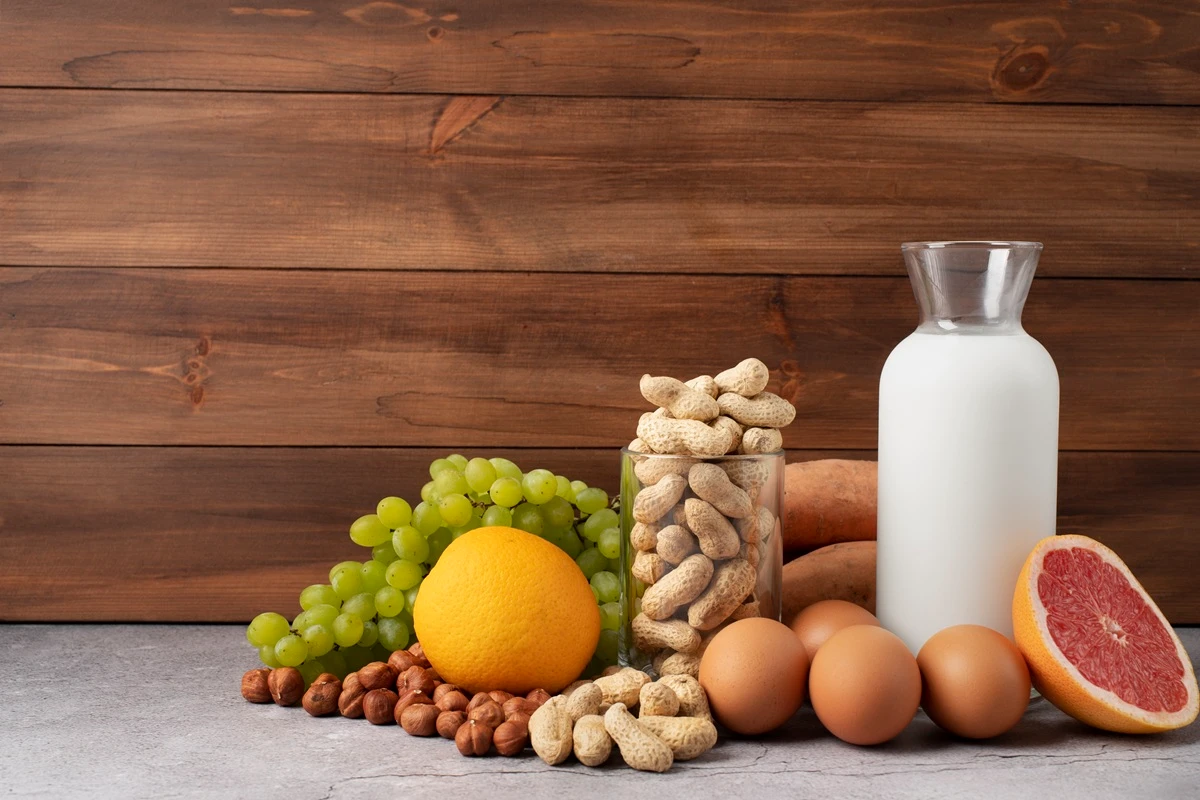


Protein isn't just another nutrient on your plate – it's the building block that can completely transform your health and fitness journey. Whether you're crushing your morning workout or powering through a busy day, getting your daily protein requirement right makes all the difference. This guide reveals 12 game-changing protein hacks that will help you optimize your protein intake, boost your energy, and achieve your fitness goals faster than ever before.
Your daily protein needs aren't one-size-fits-all. Age, gender, weight, and activity level all play crucial roles. A sedentary office worker needs less protein than someone training for a marathon. Your body composition goals also matter – building muscle requires more protein than maintaining your current physique.
The basic formula is simple: multiply your body weight in kilograms by 0.8 to 1.2 grams. Active individuals should aim for the higher end. Athletes and those building muscle may need 1.6 to 2.2 grams per kilogram of body weight.
Protein does more than build muscles. It supports immune function, helps maintain healthy skin and hair, and keeps you feeling full longer. Getting enough protein daily helps stabilize blood sugar and supports healthy metabolism.
Spreading your protein intake across meals works better than cramming it all into one sitting. Your body can only process about 25-30 grams of protein effectively at once. Aim for 20-30 grams at each meal for optimal absorption.
Fuel your workouts with 15-20 grams of protein beforehand. After training, consume protein within two hours to maximize muscle recovery and growth.
Complete proteins contain all nine essential amino acids your body needs. Think eggs, fish, chicken, and dairy. Incomplete proteins, like beans and grains, can be combined to create complete protein profiles.
Animal proteins are naturally complete and highly digestible. Plant-based options like quinoa, hemp seeds, and soy are excellent alternatives. When choosing supplements, look for superior ingredients, highly absorbable formats, palatable flavors to ensure you're getting the most from your protein intake.
Mixing different protein sources gives you a wider range of nutrients. Combine lean meats with legumes, nuts, and seeds for a well-rounded amino acid profile.
Greek yogurt with berries, hard-boiled eggs, or a handful of almonds make perfect protein-packed snacks. Keep these options handy for busy days when meal timing gets tricky.
Protein takes more energy to digest than carbs or fats. This means you burn more calories processing it, and it keeps you satisfied longer between meals.
Athletes need significantly more protein than the average person. Endurance athletes should consume 1.2-1.4 grams per kilogram of body weight, while strength athletes may need up to 2.0 grams per kilogram.
Higher protein intake for performance supports faster recovery, reduces muscle breakdown, and helps maintain lean muscle mass during intense training periods.
Pro Tip: Protein Power-Up
Consuming 20-30 grams of protein within 30 minutes after your workout can significantly improve muscle recovery and growth.
Whey protein digests quickly, making it perfect post-workout. Casein protein releases slowly, ideal before bed. Plant-based options work well for those avoiding dairy.
Supplements should complement, not replace, whole food sources. Use them when convenient protein from food isn't available, or when you need to meet higher daily protein needs.
Protein works best alongside healthy carbs and fats. Don't neglect vegetables and whole grains while focusing on your protein intake. Balance creates sustainable energy and optimal health.
Combining protein with carbs after workouts enhances muscle recovery. Healthy fats help absorb fat-soluble vitamins and support hormone production.
The average adult needs about 0.8 grams of protein per kilogram of body weight. However, this can vary based on factors like age, activity level, and health status.
While protein is essential, excessive intake can strain kidneys and potentially lead to weight gain. It's best to stick to recommended amounts unless advised otherwise by a healthcare professional.
Both animal and plant proteins can be beneficial. Animal proteins are complete proteins, containing all essential amino acids, while most plant proteins are incomplete. A varied diet can ensure you get all necessary amino acids.
Incorporate more lean meats, fish, eggs, dairy, legumes, and nuts into your diet. Also, consider protein-rich snacks like Greek yogurt or cottage cheese.
Cooking can slightly decrease the protein content in some foods, but the difference is usually minimal. Proper cooking can also make proteins more digestible in some cases.
These 12 protein hacks provide a roadmap to transform your health and fitness through smart protein choices. Understanding your daily protein requirement and implementing these strategies will help you build lean muscle, recover faster, and maintain steady energy throughout your day. Start with one or two hacks that fit your lifestyle, then gradually incorporate more as they become habits. Your body will thank you for the consistent, quality protein intake that supports your wellness goals.



