7 Electrolyte Secrets to Stop Muscle Cramps Fast
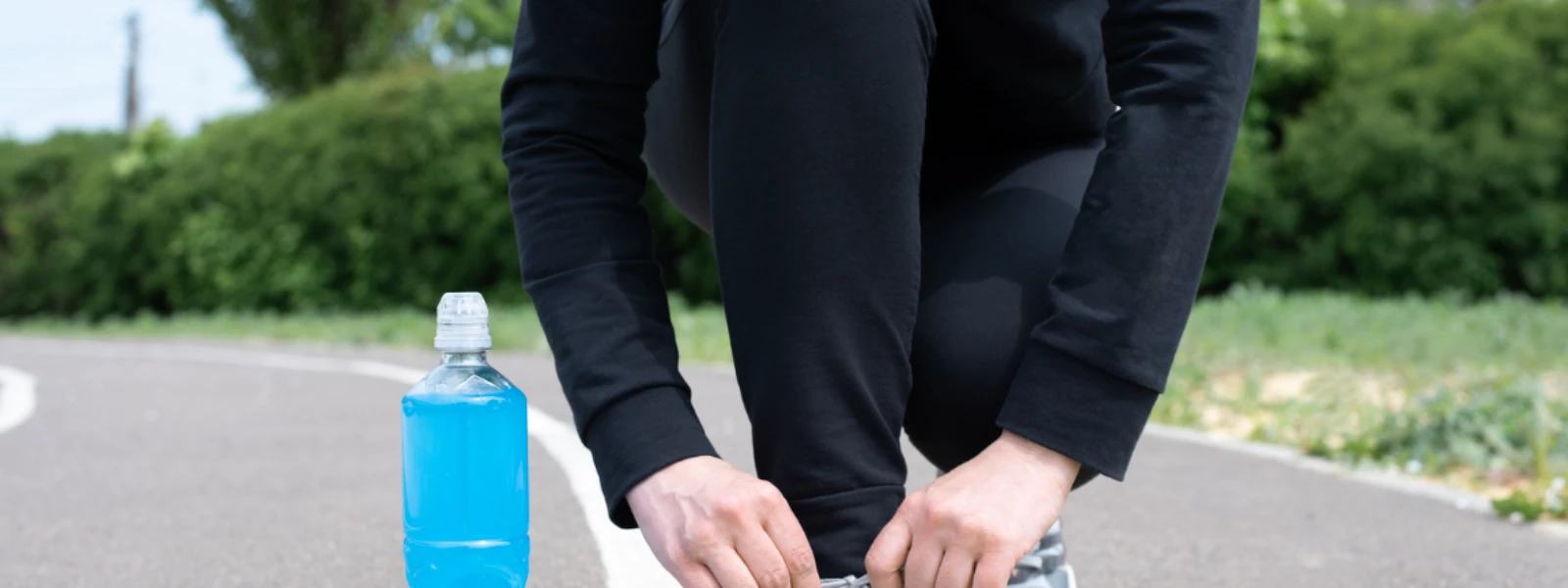


Picture this: you're in the final stretch of your workout, pushing through that last set, when suddenly your calf seizes up in excruciating pain. You're not alone—studies show that up to 95% of athletes experience muscle cramps at some point, with electrolyte imbalance being a leading culprit. These painful interruptions don't just hurt; they can derail your sports performance and leave you sidelined when you need to be at your peak.
The relationship between electrolytes and muscle cramp prevention is more complex than simply drinking more water. Your muscles depend on a delicate balance of minerals to contract and relax properly. When this balance tips, even slightly, the result can be sudden, debilitating cramps that stop you in your tracks.
In this comprehensive guide, you'll discover seven science-backed electrolyte secrets that can help you prevent muscle cramps before they start and stop them fast when they occur. These evidence-based strategies go beyond basic hydration to address the root causes of exercise-induced cramps, giving you the tools to maintain optimal muscle function during your most demanding workouts.
To effectively prevent muscle cramps, you need to understand what's happening inside your muscles at the cellular level. Electrolytes—primarily sodium, potassium, magnesium, and calcium—act as electrical conductors that enable your muscles to contract and relax in a coordinated fashion.
When you exercise, especially in hot conditions or for extended periods, you lose these crucial minerals through sweat. This creates an electrolyte imbalance that disrupts the normal electrical signals between your nerves and muscles. The result? Involuntary muscle contractions that we experience as painful cramps.
Research published in sports medicine journals shows that exercise-induced cramps often occur when sodium levels drop below optimal ranges, while potassium and magnesium depletion can prolong recovery time and increase cramping frequency. This cascade effect explains why simply drinking plain water during intense exercise can sometimes make cramping worse—you're diluting the remaining electrolytes in your system without replacing what you've lost.
Many athletes mistakenly believe that muscle cramps are solely due to dehydration or overuse. While these factors play a role, the underlying electrolyte imbalance is often the primary trigger that sets the cramping process in motion.
The relationship between sodium and muscle function is critical for preventing cramps. Your muscles need adequate sodium to initiate contractions, while potassium helps them relax afterward. The optimal ratio for most athletes is approximately 3:1 sodium to potassium, though individual needs can vary based on sweat rate and exercise intensity.
Sodium depletion triggers a complex chain reaction in your muscle cells. When sodium levels drop, your muscles struggle to receive proper electrical signals from your nervous system. This communication breakdown often manifests as cramping, particularly in large muscle groups like your calves, hamstrings, and quadriceps.
Potassium and cramps have an equally important connection. This mineral helps your muscles return to their relaxed state after contraction. Without sufficient potassium, your muscles may remain partially contracted, leading to stiffness, fatigue, and eventually cramping.
The timing of sodium-potassium intake matters significantly. Pre-exercise loading with these electrolytes can help prevent depletion, while strategic replacement during longer workouts maintains optimal muscle function throughout your training session.
Despite its crucial role in muscle health, magnesium deficiency affects an estimated 75% of active individuals. This mineral serves dual functions in muscle physiology: it's essential for energy production at the cellular level and acts as a natural muscle relaxant.
Magnesium for muscle health works by regulating calcium flow in and out of muscle cells. When magnesium levels are adequate, your muscles can contract forcefully when needed and relax completely when the work is done. Insufficient magnesium disrupts this process, leading to muscle tension, reduced recovery, and increased cramping susceptibility.
The form of magnesium you choose matters significantly for absorption and effectiveness. Magnesium glycinate and magnesium malate are highly bioavailable forms that your body can readily use, while magnesium oxide—commonly found in cheaper supplements—has poor absorption rates and may cause digestive upset.
For optimal muscle recovery and cramp prevention, research suggests that athletes may need 400-600mg of elemental magnesium daily, preferably divided into smaller doses taken with meals to enhance absorption.
Did You Know?
Your muscles contain about 27% of your body's total magnesium stores. During intense exercise, magnesium is rapidly depleted from muscle tissue to support energy production, making adequate replacement crucial for preventing post-workout cramps and supporting recovery.
Effective hydration for athletes goes far beyond drinking water when you feel thirsty. Strategic timing of fluid and electrolyte intake can significantly impact your sports performance and reduce cramping risk.
The pre-loading hydration protocol involves consuming 16-20 ounces of electrolyte-rich fluid 2-3 hours before exercise, followed by another 8 ounces 15-20 minutes before you start. This approach ensures your body begins exercise in an optimal hydration state with adequate electrolyte reserves.
During exercise, maintenance hydration should replace both fluid and electrolytes at a rate that matches your individual sweat losses. Most athletes need 6-8 ounces of fluid every 15-20 minutes during prolonged exercise, with higher rates needed in hot, humid conditions.
Post-workout electrolyte replenishment is equally critical for muscle recovery. Your body continues to lose fluids and electrolytes for several hours after exercise ends. Consuming 150% of your fluid losses within 6 hours post-exercise, along with appropriate electrolyte replacement, optimizes recovery and reduces next-day cramping risk.
Calculating your personal sweat rate helps customize your hydration strategy. Weigh yourself before and after exercise, accounting for fluid intake during the session. Each pound of weight loss represents approximately 16 ounces of fluid that needs replacement.
Not all electrolyte drinks are created equal when it comes to preventing muscle cramps. Many commercial sports drinks contain insufficient electrolyte concentrations for serious athletes or include additives that can actually worsen cramping in sensitive individuals.
Effective electrolyte drinks should contain at least 200-300mg of sodium per 8-ounce serving, along with appropriate amounts of potassium and magnesium. The carbohydrate content should be 6-8% for optimal absorption during exercise, though lower concentrations may be preferable for shorter workouts or weight management goals.
Natural electrolyte sources can be highly effective alternatives to commercial products. Coconut water provides excellent potassium content, while sea salt adds natural sodium and trace minerals. Many athletes create DIY solutions using these ingredients plus a small amount of natural sweetener for palatability.
When selecting supplements, avoid products with artificial sweeteners like aspartame or sucralose, as these can cause digestive upset in some individuals. Similarly, excessive caffeine content may increase dehydration risk and potentially worsen cramping in caffeine-sensitive athletes.
The temperature of your electrolyte drinks significantly affects absorption rates and gastric emptying. Cool fluids (50-59°F) empty from your stomach faster than warm or ice-cold beverages, leading to quicker electrolyte delivery to your muscles.
During exercise-induced cramps, slightly cool electrolyte solutions can provide faster relief than room temperature alternatives. The cooling effect may also help reduce muscle tension and provide additional comfort during cramping episodes.
Certain amino acids can enhance electrolyte absorption and provide additional muscle support. Taurine, for example, helps regulate cellular electrolyte balance and may reduce cramping frequency when combined with traditional electrolytes.
Branched-chain amino acids (BCAAs) consumed alongside electrolytes during prolonged exercise can help maintain muscle function and reduce fatigue-related cramping. The combination appears to be particularly beneficial for endurance athletes and those training in hot conditions.
Your electrolyte needs change throughout different training phases. During high-volume training periods, your body adapts by improving electrolyte retention, potentially reducing supplementation needs. Conversely, during tapering phases or competition periods, maintaining consistent electrolyte intake becomes crucial for optimal performance.
Seasonal considerations also matter for sports performance. Summer training requires higher electrolyte replacement rates, while winter activities may need different ratios to account for reduced sweat losses but increased respiratory fluid losses in cold, dry air.
Properly formulated electrolyte solutions can begin providing relief within 5-15 minutes when consumed during active cramping. The minerals need time to be absorbed and reach muscle tissue, so immediate relief isn't always possible, but most athletes notice improvement within this timeframe.
Heat cramps are actually a subset of electrolyte cramps that occur specifically due to sodium depletion in hot conditions. Both types involve electrolyte imbalance, but heat cramps typically affect large muscle groups and occur during or shortly after exercise in warm environments.
While rare during normal supplementation, excessive electrolyte intake can cause problems. Too much sodium can lead to bloating and elevated blood pressure, while excess potassium may cause heart rhythm irregularities. Following recommended dosages and listening to your body helps prevent overconsumption.
Sodium deficiency typically causes the most severe and immediate cramping, particularly during exercise. However, magnesium deficiency often leads to more persistent, chronic muscle tension and cramping that can affect daily activities beyond just exercise.
Electrolyte-related cramps often occur during or after exercise, affect multiple muscle groups, and improve with proper electrolyte replacement. If cramps persist despite adequate electrolyte intake or occur frequently at rest, consult a healthcare provider to rule out other causes.
Understanding the intricate relationship between electrolytes and muscle cramp prevention empowers you to take control of your athletic performance and comfort. These seven science-backed secrets—from mastering sodium-potassium balance to strategic hydration timing—provide a comprehensive approach to preventing and managing exercise-induced cramps. Remember that individual needs vary based on factors like sweat rate, exercise intensity, and environmental conditions, so experiment with these strategies to find what works best for your body. By implementing proper electrolyte management, you can train harder, perform better, and spend less time dealing with painful muscle interruptions. Consider exploring high-quality electrolyte supplements and recovery products that support your active lifestyle and help you maintain optimal muscle function throughout your fitness journey.



