7 Peanut Butter Protein Snacks to Fuel Your Workouts
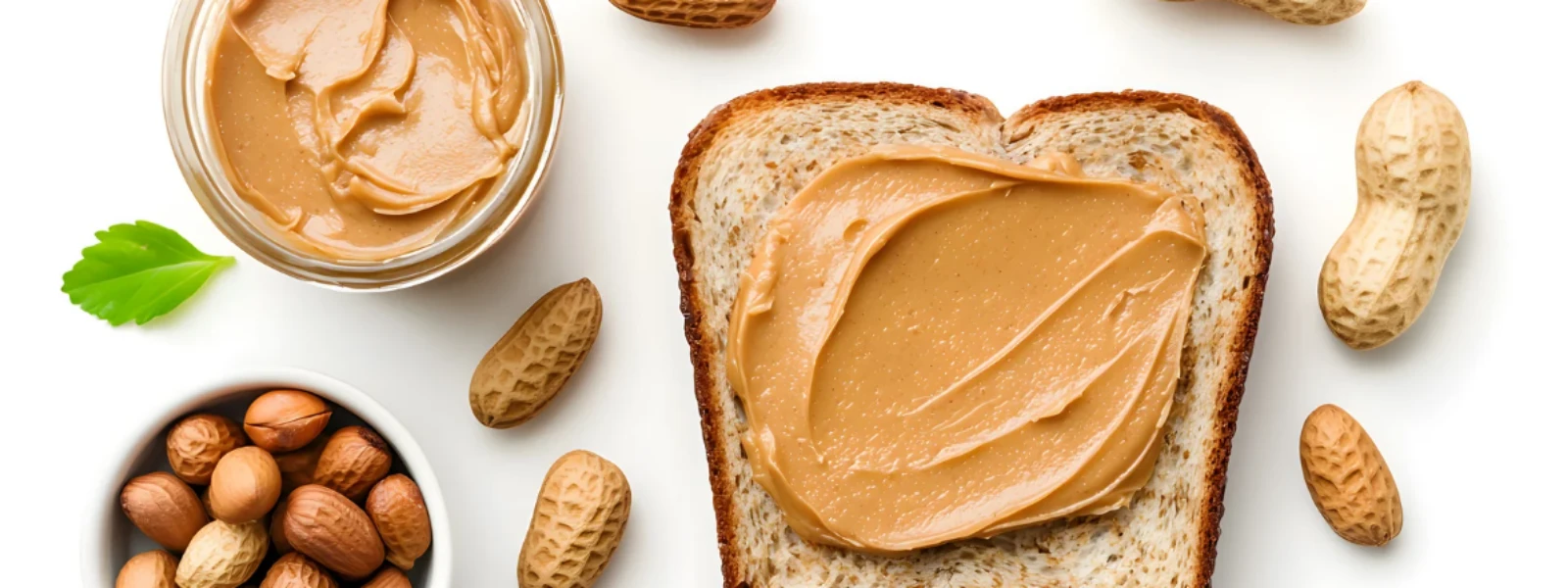


When it comes to fueling your workouts and supporting muscle recovery, finding the right balance of taste and nutrition can be challenging. Peanut butter protein emerges as a powerhouse combination that delivers both satisfaction and performance benefits. This creamy, nutrient-dense spread offers a unique blend of plant-based protein, healthy fats, and essential minerals that can transform your pre and post-workout nutrition strategy.
Whether you're a weekend warrior or a dedicated athlete, understanding how to harness peanut butter's protein potential can elevate your fitness journey. From homemade energy balls to sophisticated protein smoothies, the versatility of peanut butter protein makes it an ideal foundation for countless workout-fueling snacks.
Peanut butter stands out among natural protein sources due to its impressive nutritional profile. A single two-tablespoon serving contains approximately 8 grams of protein, making it a substantial contributor to your daily protein intake. This protein content becomes even more valuable when you consider the amino acid profile that supports muscle synthesis and recovery.
The protein in peanut butter provides essential AmIno aciDS that your muscles need for repair and growth. Beyond protein, peanut butter delivers healthy monounsaturated fats that support sustained energy release during longer training sessions. These fats also aid in the absorption of fat-soluble vitamins, maximizing the nutritional benefits of your entire meal.
Peanut butter for athletes offers additional advantages through its magnesium content, which supports muscle function and helps prevent cramping during intense workouts. The potassium present in peanut butter also contributes to proper electrolyte balance, crucial for maintaining performance during extended exercise sessions.
Did You Know?
Research published in the Journal of the International Society of Sports Nutrition shows that combining protein with healthy fats can extend the feeling of satiety and provide more sustained energy compared to protein alone, making peanut butter an ideal pre-workout fuel source.
While peanut butter protein nutrition may not match the complete amino acid profile of animal proteins, it offers unique advantages. The combination of protein and healthy fats provides sustained energy release, making it particularly beneficial for endurance activities. Additionally, the natural fiber content aids in digestive health and helps maintain stable blood sugar levels during training.
These portable powerhouses combine the best of peanut butter protein benefits with convenient grab-and-go functionality. The base recipe includes natural peanut butter, rolled oats, and a high-quality protein powder for enhanced amino acid content.
For optimal peanut butter protein nutrition, mix two tablespoons of natural peanut butter with one scoop of vanilla protein powder, half a cup of rolled oats, and a tablespoon of honey. Add chia seeds for extra omega-3 fatty acids and fiber. Roll into bite-sized balls and refrigerate for at least 30 minutes.
Each energy ball provides approximately 4-5 grams of protein, making them perfect for pre-workout fuel or post-exercise recovery. The combination of fast-acting carbohydrates from oats and sustained-release energy from peanut butter creates an ideal nutritional profile for athletic performance.
A peanut butter protein shake represents one of the most efficient ways to deliver nutrients to your muscles quickly. This liquid format allows for rapid absorption, making it particularly valuable in the post-workout window when your muscles are primed for nutrient uptake.
The foundation of an effective peanut butter protein shake includes two tablespoons of natural peanut butter, one scoop of high-quality whey or plant-based protein powder, one frozen banana for natural sweetness and potassium, and unsweetened almond milk for additional calcium and Vitamin E.
This combination delivers approximately 25-30 grams of protein while providing healthy fats that support hormone production and nutrient absorption. The natural sugars from the banana help replenish glycogen stores depleted during exercise, while the protein supports muscle recovery and growth.
Creating your own peanut butter protein bars allows complete control over ingredients and macronutrient ratios. This flexibility makes them ideal for athletes with specific dietary requirements or training goals.
A basic peanut butter protein recipe combines natural peanut butter, protein powder, and binding agents like dates or honey. For enhanced nutrition, add ingredients like ground flaxseed for omega-3 fatty acids, cocoa powder for antioxidants, or coconut flakes for medium-chain triglycerides.
These homemade bars can be tailored to provide 15-20 grams of protein per serving while avoiding the artificial additives and excessive sugars often found in commercial products. The preparation time of just 15 minutes makes them practical for busy athletes who prioritize clean nutrition.
When selecting store-bought peanut butter protein bars, focus on products that list peanut butter or peanuts as the first ingredient. Look for bars containing at least 15 grams of protein with minimal added sugars and artificial ingredients.
Quality peanut butter protein bars should provide a balanced macronutrient profile with protein, healthy fats, and complex carbohydrates. Avoid products with excessive sugar alcohols, which can cause digestive discomfort during training.
Peanut butter protein powder offers convenience for athletes who want the flavor and nutritional benefits without the caloric density of whole peanut butter. When selecting a peanut butter protein supplement, prioritize products with clean ingredient lists and third-party testing for purity.
Look for powders that combine peanut butter flavoring with high-quality protein sources like whey, casein, or plant-based proteins. The protein content should be at least 20 grams per serving, with minimal artificial sweeteners and additives.
Consuming peanut butter protein snacks before exercise requires careful timing to maximize benefits while avoiding digestive discomfort. The ideal pre-workout window is 30-60 minutes before training, allowing sufficient time for initial digestion while providing sustained energy.
For pre-workout consumption, focus on smaller portions that emphasize the protein and healthy fat benefits without excessive calories. A single tablespoon of peanut butter with an apple or whole grain crackers provides approximately 4 grams of protein along with sustained energy for your training session.
The post-workout period represents the optimal time to leverage peanut butter protein benefits for muscle recovery and growth. During this window, your muscles are most receptive to nutrients, making it the ideal time for more substantial peanut butter protein snacks.
Combining peanut butter with faster-acting carbohydrates enhances the recovery process by replenishing glycogen stores while providing amino acids for muscle repair. A peanut butter protein smoothie consumed within 30 minutes post-exercise can significantly impact recovery outcomes.
Expert Tip
Sports nutritionists recommend a 3:1 or 4:1 ratio of carbohydrates to protein for optimal post-workout recovery. Peanut butter naturally provides this balance when combined with fruits like bananas or berries, making it an ideal recovery food.
Incorporating peanut butter protein snacks into your weekly meal preparation ensures consistent nutrition support for your training schedule. Batch-preparing energy balls, protein bars, or pre-portioned smoothie ingredients saves time while maintaining nutritional quality.
When meal prepping peanut butter protein snacks, focus on recipes that maintain their nutritional integrity and taste throughout the week. Properly stored energy balls can maintain freshness for up to five days, while frozen smoothie packs can last several weeks.
Different training goals require adjusted approaches to peanut butter protein nutrition. Endurance athletes may benefit from higher fat content for sustained energy, while strength athletes might prioritize higher protein ratios for muscle building.
Consider your training schedule, body composition goals, and digestive tolerance when designing your peanut butter protein strategy. Some athletes thrive on consistent daily intake, while others prefer strategic timing around key training sessions.
While peanut butter provides a good amount of protein, it's considered an incomplete protein as it doesn't contain all essential amino acids in optimal ratios. However, when combined with other protein sources or as part of a varied diet, it contributes valuable protein along with beneficial fats and micronutrients that support athletic performance.
One tablespoon of peanut butter contains approximately 4 grams of protein, while two tablespoons provide about 8 grams. A quarter cup serving delivers roughly 16 grams of protein. These amounts make peanut butter a significant protein contributor when used strategically in snacks and meals.
Peanut butter protein snacks work best as supplements to balanced meals rather than complete replacements. While they provide valuable protein and healthy fats, they may lack the comprehensive vitamin, mineral, and fiber content needed for optimal health. Use them strategically around workouts while maintaining varied, balanced meals.
For muscle building, consume peanut butter protein snacks within 30-60 minutes after resistance training when your muscles are most receptive to nutrients. The combination of protein for muscle synthesis and healthy fats for hormone production supports the muscle-building process effectively.
While peanut butter offers many benefits, it's calorie-dense and can contribute to excess caloric intake if portions aren't controlled. Additionally, some people may have allergies or sensitivities. It's best used as part of a diverse protein strategy that includes various sources to ensure complete amino acid coverage.
Peanut butter protein represents a versatile and practical solution for athletes seeking convenient, nutritious snacks that support their training goals. From quick energy balls to sophisticated protein smoothies, the applications are limited only by your creativity and specific nutritional needs. The combination of plant-based protein, healthy fats, and essential minerals makes peanut butter an valuable addition to any athletic nutrition strategy.
Remember that the key to success lies in understanding your individual needs, timing consumption appropriately, and maintaining portion control. Whether you're preparing for an intense training session or recovering from a challenging workout, peanut butter protein snacks can provide the sustained energy and recovery support your body needs to perform at its best.



