7 Reasons Why Rice Protein is a Top Plant-Based Protein
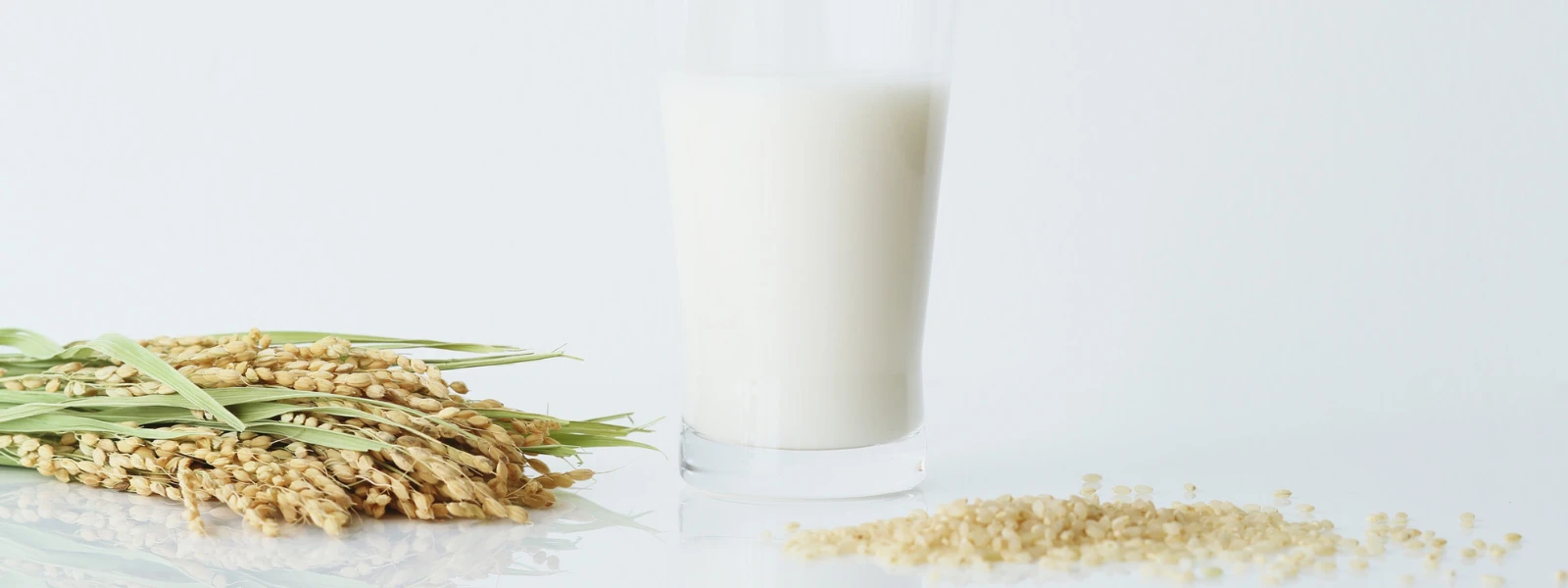


Plant-based nutrition has revolutionized the fitness industry, with athletes and fitness enthusiasts increasingly turning to alternatives that align with their health goals and values. Among the growing array of plant-based protein options, rice protein has emerged as a standout choice for those seeking effective sports nutrition without compromising on performance. This comprehensive guide explores seven compelling reasons why rice protein deserves recognition as a top-tier plant-based protein source for athletic performance, muscle recovery, and overall fitness goals.
Rice protein delivers an impressive amino acid profile that rivals many traditional protein sources. While individual rice protein may be lower in lysine compared to animal proteins, modern processing techniques and formulations have significantly improved its amino acid completeness. Research published in the Journal of the International Society of Sports Nutrition demonstrates that rice protein contains all nine essential AmIno aciDS necessary for muscle protein synthesis.
The branched-chain amino acids (BCAAs) in rice protein - leucine, isoleucine, and valine - play crucial roles in muscle recovery and athletic performance. These amino acids are particularly important for endurance training and workout recovery, as they help reduce muscle breakdown during exercise and support faster recovery post-workout.
Studies show that rice protein provides approximately 80-90% of the essential amino acids found in whey protein. The protein's leucine content, specifically important for muscle protein synthesis, ranges from 6-8% of total amino acids. This concentration supports effective muscle building and recovery when consumed as part of a balanced nutrition plan.
For fitness enthusiasts concerned about protein quality, combining rice protein with other plant proteins or consuming it alongside a varied diet easily addresses any amino acid gaps. The protein's biological value, while slightly lower than animal proteins, remains sufficient for supporting athletic goals and maintaining muscle mass.
One of rice protein's most significant advantages lies in its exceptional digestibility and low allergen potential. Unlike dairy-based proteins that can cause digestive discomfort in lactose-intolerant individuals, rice protein offers a gentle alternative that supports optimal nutrient absorption without gastrointestinal stress.
The protein's hypoallergenic nature makes it suitable for athletes with food sensitivities or allergies to common protein sources. Rice protein is naturally free from gluten, dairy, soy, and nuts - common allergens that can interfere with training consistency and performance. This clean profile ensures that protein intake doesn't come at the cost of digestive comfort.
Clinical observations indicate that rice protein causes significantly less bloating and digestive upset compared to whey or casein proteins. The protein's structure allows for efficient breakdown and absorption in the digestive tract, ensuring that amino acids reach muscles when needed for recovery and growth.
Did You Know?
Rice protein has a digestibility score of approximately 90%, meaning nearly all consumed protein is available for use by the body. This high digestibility rate ensures maximum benefit from each serving, making it particularly valuable for athletes who need consistent protein intake without digestive complications.
For individuals with sensitive stomachs or inflammatory bowel conditions, rice protein provides a gentle source of high-quality nutrition that supports training goals without exacerbating digestive issues. This makes it an excellent choice for athletes who need reliable protein intake during intense training periods.
Research demonstrates that rice protein effectively supports muscle recovery and athletic performance when used strategically around workouts. A landmark study comparing rice protein to whey protein found similar improvements in body composition, muscle thickness, and strength gains over an eight-week training program.
The protein's amino acid profile supports muscle protein synthesis, the process by which muscles repair and grow stronger after exercise. For endurance training, rice protein provides sustained amino acid release that helps maintain muscle integrity during prolonged physical activity.
Athletes using rice protein report faster recovery times and reduced muscle soreness following intense training sessions. The protein's ability to stimulate muscle protein synthesis peaks within 1-3 hours after consumption, making it ideal for post-workout nutrition windows.
For sports nutrition applications, rice protein supports both strength and endurance goals. Strength athletes benefit from its muscle-building amino acids, while endurance athletes appreciate its sustained energy support and muscle preservation properties during long training sessions.
Multiple studies have compared rice protein to animal-based proteins in athletic populations. Results consistently show that when total protein intake is adequate, rice protein produces comparable improvements in muscle mass, strength, and recovery markers. This evidence supports rice protein as a viable alternative for athletes seeking plant-based nutrition without performance compromise.
Rice protein represents a sustainable approach to sports nutrition that aligns with environmental consciousness and clean eating principles. The production of rice protein requires significantly less water and land resources compared to animal protein sources, making it an environmentally responsible choice for eco-conscious athletes.
Modern rice protein undergoes minimal processing, typically involving enzymatic extraction that preserves the protein's natural structure and nutritional value. Many rice protein products are available in organic and non-GMO forms, supporting athletes who prioritize clean, chemical-free nutrition.
The carbon footprint of rice protein production is substantially lower than that of animal proteins. For athletes concerned about environmental sustainability, choosing rice protein represents a meaningful way to reduce their ecological impact while maintaining optimal nutrition for performance goals.
The ethical aspects of plant-based nutrition also appeal to athletes who prefer cruelty-free protein sources. Rice protein provides a way to meet high protein requirements without relying on animal products, supporting both personal values and athletic performance.
Rice protein's versatility makes it suitable for various fitness goals and training phases. Whether used for muscle building, weight management, or endurance support, rice protein adapts to different nutritional strategies and timing protocols.
For pre-workout nutrition, rice protein provides steady amino acid availability without the heavy feeling that can interfere with exercise performance. Its digestibility allows for consumption closer to workout times without gastric distress.
Bodybuilders and strength athletes find rice protein effective for supporting muscle growth when consumed in adequate amounts. The protein works well in combination with resistance training programs, providing the amino acids necessary for muscle protein synthesis.
Endurance athletes benefit from rice protein's sustained amino acid release, which helps prevent muscle breakdown during long training sessions. The protein can be consumed before, during, or after endurance activities to support performance and recovery.
For weight management, rice protein offers satiety benefits that can help control appetite and support lean body composition goals. Its clean profile makes it suitable for cutting phases where athletes need high-quality nutrition with minimal additives.
Beyond its amino acid content, rice protein provides additional micronutrients that support overall health and athletic performance. Many rice protein products retain minerals from the original grain, including magnesium, phosphorus, and B vitamins that play roles in energy metabolism and muscle function.
The protein's natural antioxidant compounds may help combat exercise-induced oxidative stress, supporting recovery and reducing inflammation. These additional benefits make rice protein a more holistic nutrition choice compared to isolated protein sources.
Rice protein typically contains iron, which supports oxygen transport and energy production - crucial factors for athletic performance. The presence of these naturally occurring nutrients adds value beyond simple protein content, supporting overall health alongside fitness goals.
For athletes following plant-based diets, the additional nutrients in rice protein help fill potential gaps that might occur when eliminating animal products. This comprehensive nutritional support makes rice protein particularly valuable for vegan protein powder applications.
Rice protein offers excellent value for money compared to many other high-quality protein sources. Its cost-effectiveness makes it accessible to a broader range of athletes and fitness enthusiasts, democratizing access to quality sports nutrition.
The protein's stability and long shelf life contribute to its economic advantages. Unlike some protein sources that require special storage conditions, rice protein maintains its quality under standard storage conditions, reducing waste and ensuring consistent availability.
For athletes on tight budgets, rice protein provides an affordable way to meet high protein requirements without compromising quality. The protein's effectiveness means that athletes don't need to consume excessive amounts to see results, further enhancing its value proposition.
The scalability of rice protein production ensures consistent pricing and availability, making it a reliable choice for long-term nutrition planning. This accessibility supports consistent protein intake, which is crucial for achieving and maintaining fitness goals.
Rice protein powder typically contains 80-90 grams of protein per 100 grams, making it one of the most concentrated plant protein sources available. This high protein density ensures efficient nutrition delivery with minimal additional calories from carbohydrates or fats.
Research demonstrates that rice protein can effectively support muscle building when consumed in adequate amounts as part of a resistance training program. Studies show comparable muscle growth and strength gains between rice protein and whey protein users over 8-12 week periods.
Rice protein performs similarly to whey protein in supporting muscle protein synthesis, recovery, and athletic performance. The main differences lie in digestion speed and amino acid profile, with whey being faster-digesting and rice protein offering better digestibility for sensitive individuals.
Yes, rice protein is completely plant-based and suitable for vegans, vegetarians, and anyone following plant-based nutrition plans. It provides a high-quality protein source that helps meet the increased protein needs of active individuals without any animal products.
Rice protein is hypoallergenic and generally well-tolerated by most individuals, including those with dairy, soy, or gluten sensitivities. Its gentle nature on the digestive system makes it suitable for people who experience discomfort with other protein sources.
Conclusion
Rice protein has established itself as a formidable player in the plant-based protein landscape, offering athletes and fitness enthusiasts a comprehensive solution for their nutritional needs. From its complete amino acid profile and excellent digestibility to its sustainable production and cost-effectiveness, rice protein addresses multiple concerns that modern athletes face when choosing protein supplements. The evidence supporting its effectiveness for muscle recovery, athletic performance, and overall health continues to grow, making it an increasingly attractive option for those seeking plant-based alternatives to traditional protein sources. As the fitness industry continues to evolve toward more sustainable and inclusive nutrition options, rice protein stands ready to meet the demands of athletes who prioritize both performance and principles in their dietary choices.



