7 Surprising Benefits of Protein in Curd per 100g
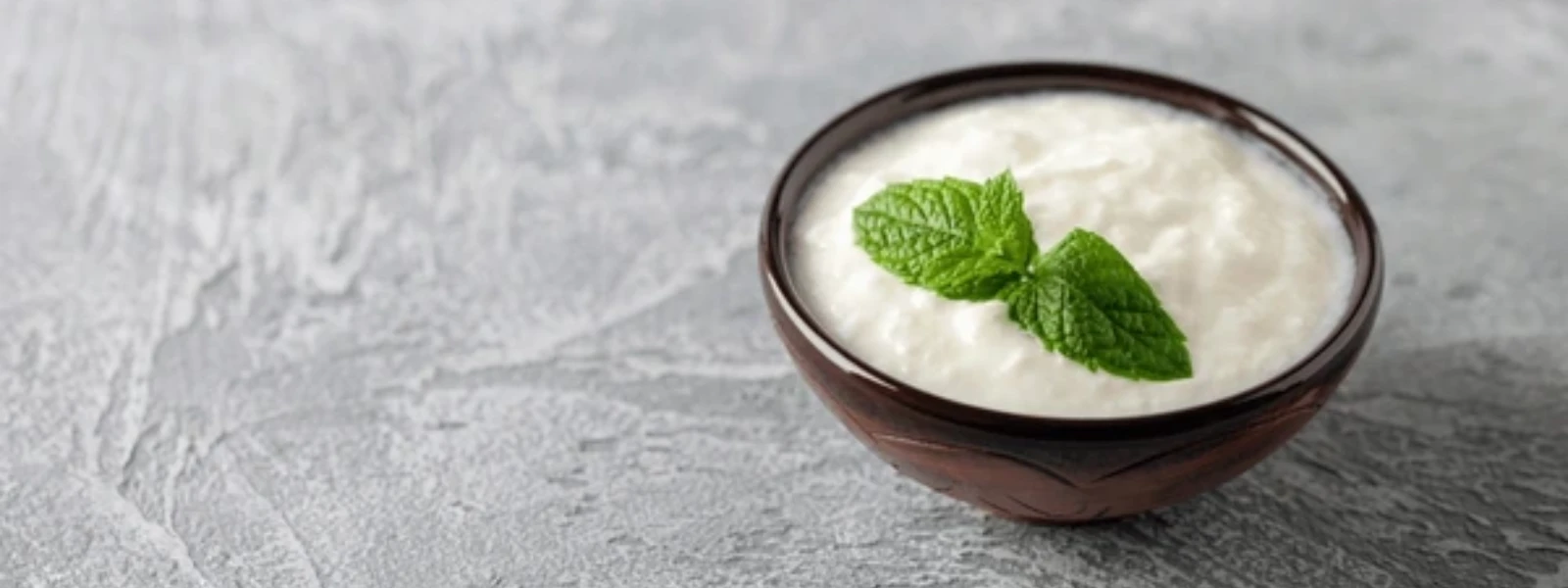


Curd, a staple in many kitchens, packs a surprising protein punch that often goes unnoticed. With approximately 3.5 to 5.25 grams of protein in curd per 100g, this humble dairy product delivers far more than just probiotics and calcium. While most people recognize curd for its digestive benefits, the protein content in this creamy delight offers remarkable advantages that extend from muscle building to immune support.
Understanding the protein in curd per 100g reveals why this simple food deserves a prime spot in your daily nutrition plan. The complete amino acid profile found in curd protein content makes it a valuable addition to any diet, whether you're an athlete seeking recovery or someone focused on maintaining optimal health.
The protein in yogurt varies significantly based on preparation methods and milk source. Regular homemade curd typically contains about 3.5 grams of protein per 100g, while commercial varieties can range from 4 to 5.25 grams. Greek-style curd, which undergoes straining to remove whey, concentrates the protein content even further.
Different milk types create distinct protein profiles. Whole milk curd provides around 3.5 grams of protein per 100g, while low-fat versions often contain slightly higher concentrations due to reduced fat content. Buffalo milk curd tends to offer more protein than cow milk varieties, sometimes reaching up to 4.5 grams per 100g.
The yogurt protein nutrition profile consists primarily of casein and whey proteins. Casein makes up about 80% of the total protein content, providing slow-releasing amino acids that support sustained muscle protein synthesis. The remaining 20% comes from whey proteins, which offer rapid absorption and complete essential amino acid profiles.
Manufacturing processes significantly impact protein concentrations. Traditional fermentation methods preserve most of the original milk proteins, while heat-treated commercial varieties may show slight protein denaturation. However, the biological value remains high across all preparation methods.
The high protein dairy content in curd provides essential AmIno aciDS crucial for muscle repair after physical activity. The combination of fast-absorbing whey and slow-releasing casein creates an ideal protein delivery system that supports both immediate and prolonged muscle protein synthesis.
Research indicates that consuming curd protein composition within two hours post-exercise optimizes muscle recovery. The leucine content, a branched-chain amino acid abundant in dairy proteins, triggers muscle protein synthesis pathways effectively.
Athletes and fitness enthusiasts find curd particularly beneficial because it provides sustained amino acid release over several hours. This extended protein availability helps prevent muscle breakdown during recovery periods and supports lean muscle mass development.
Protein-rich dairy products like curd excel at promoting satiety and supporting healthy weight management. The protein in curd per 100g delivers substantial satiation with relatively few calories, making it an excellent choice for those managing their weight.
The thermic effect of protein means your body burns more calories digesting and metabolizing curd protein compared to carbohydrates or fats. This metabolic advantage can contribute to improved body composition over time.
Studies show that including high protein dairy sources in meals helps regulate appetite hormones, reducing overall caloric intake throughout the day. The slow-digesting casein proteins provide lasting fullness, preventing unnecessary snacking between meals.
Beyond probiotics, the protein content in curd supports digestive wellness through multiple mechanisms. Dairy protein sources provide amino acids necessary for maintaining intestinal barrier function and supporting gut tissue repair.
The interaction between curd proteins and beneficial bacteria creates a synergistic effect that enhances overall gut health. Certain amino acids from protein in yogurt serve as fuel sources for beneficial microorganisms, promoting a healthy microbiome balance.
Glutamine, an amino acid present in curd protein, plays a crucial role in maintaining intestinal wall integrity. This helps prevent leaky gut syndrome and supports optimal nutrient absorption from other foods.
Did You Know?
The protein in curd per 100g contains all nine essential amino acids, making it a complete protein source comparable to eggs and meat. This completeness ensures your body receives all necessary building blocks for optimal cellular function and repair.
The nutritional value of curd extends to immune support through its robust protein profile. Immunoglobulins and lactoferrin present in dairy proteins possess antimicrobial properties that help defend against pathogens.
Protein serves as the foundation for antibody production, and adequate intake from sources like curd ensures your immune system has sufficient raw materials for mounting effective responses to threats. The amino acid arginine, found in curd protein composition, specifically supports immune cell function.
Regular consumption of protein-rich dairy products has been associated with improved resistance to respiratory infections and faster recovery from illness. The combination of protein and probiotics in curd creates a powerful immune-supporting combination.
While calcium gets most attention for bone health, the protein in curd per 100g plays an equally important role in maintaining skeletal strength. Protein provides the structural matrix upon which calcium and other minerals deposit to form strong bones.
The synergistic relationship between calcium and protein in dairy products enhances absorption of both nutrients. Research demonstrates that adequate protein intake is essential for maximizing the bone-building benefits of calcium supplementation.
As we age, maintaining muscle mass through adequate protein intake becomes crucial for bone health. Strong muscles provide mechanical stress that stimulates bone formation, and curd as a protein supplement offers an accessible way to support this process.
The protein content in high protein dairy products like curd helps stabilize blood glucose levels when consumed as part of meals. Protein slows carbohydrate absorption, preventing rapid spikes in blood sugar that can lead to energy crashes.
Studies indicate that including protein sources with carbohydrate-rich foods improves insulin sensitivity and glucose tolerance. The amino acids in curd protein may also stimulate insulin release in a glucose-dependent manner, supporting healthy blood sugar regulation.
For individuals managing diabetes or prediabetes, incorporating measured amounts of protein in yogurt can be part of an effective dietary strategy for glucose control.
The protein in curd per 100g provides amino acids essential for collagen and keratin production. These structural proteins form the foundation of healthy skin, hair, and nails, making curd an excellent beauty food from within.
Proline and glycine, amino acids abundant in dairy proteins, serve as primary building blocks for collagen synthesis. Regular consumption supports skin elasticity and may help reduce visible signs of aging.
The sulfur-containing amino acids in curd protein composition, particularly cysteine, are crucial for keratin formation. This protein gives strength and structure to hair and nails, supporting their growth and appearance.
Commercial curd varieties show considerable protein content variations based on manufacturing processes and milk sources. Greek-style yogurt typically contains 6-10 grams of protein per 100g due to whey removal, while regular varieties maintain the original milk protein concentrations.
Homemade curd prepared from whole milk generally provides about 3.5 grams of protein per 100g, while skim milk versions can reach 4-4.5 grams due to concentrated protein ratios. The fermentation time and bacterial cultures used also influence final protein availability.
Fat content inversely affects protein concentration per unit weight. Low-fat curd varieties often show higher protein percentages because fat removal concentrates the remaining nutrients, including proteins.
A standard 200g serving of curd provides approximately 7-10.5 grams of protein, contributing meaningfully to daily protein requirements. For adults, this represents about 15-20% of minimum daily protein needs, making curd a substantial protein source.
Active individuals and athletes may benefit from larger servings, as their protein requirements increase with training intensity. Consuming 300-400g of curd daily can provide 10.5-21 grams of high-quality protein while staying within recommended dairy intake guidelines.
Timing matters for protein absorption optimization. Consuming curd post-workout maximizes muscle protein synthesis, while evening consumption provides overnight amino acid availability for recovery and repair processes.
Homemade curd typically contains 3.5 to 4 grams of protein per 100g, depending on the milk fat content and preparation method. Whole milk curd provides slightly less protein per weight compared to low-fat versions due to higher fat content displacing protein.
Yes, 100g of curd daily is safe and beneficial for most people. This amount provides 3.5-5.25 grams of high-quality protein while delivering probiotics and essential nutrients. However, individuals with lactose intolerance should monitor their tolerance levels.
Curd provides complete protein with all essential amino acids, similar to eggs and meat. While the protein concentration is lower than these sources, curd offers additional benefits like probiotics and easier digestibility for many people.
Post-workout consumption within 2 hours maximizes muscle protein synthesis benefits. Evening consumption provides sustained amino acid release overnight. Any time works for general protein needs, but pairing with carbohydrates enhances absorption.
Yes, the protein in curd supports weight management through increased satiety, higher thermic effect, and muscle mass preservation during caloric restriction. The combination of protein and probiotics may also influence metabolism positively.
Conclusion
The protein in curd per 100g offers remarkable benefits that extend far beyond basic nutrition. From supporting muscle recovery and immune function to promoting healthy skin and stable blood sugar, this accessible protein source deserves recognition as a nutritional powerhouse. Whether you choose homemade varieties or commercial options, incorporating curd into your daily routine provides high-quality protein along with additional health-promoting compounds. As you explore ways to optimize your protein intake, consider the complete amino acid profile and unique advantages that make curd an exceptional choice for supporting your wellness journey.



