7 Ways Hydration Boosts Brain Performance Now
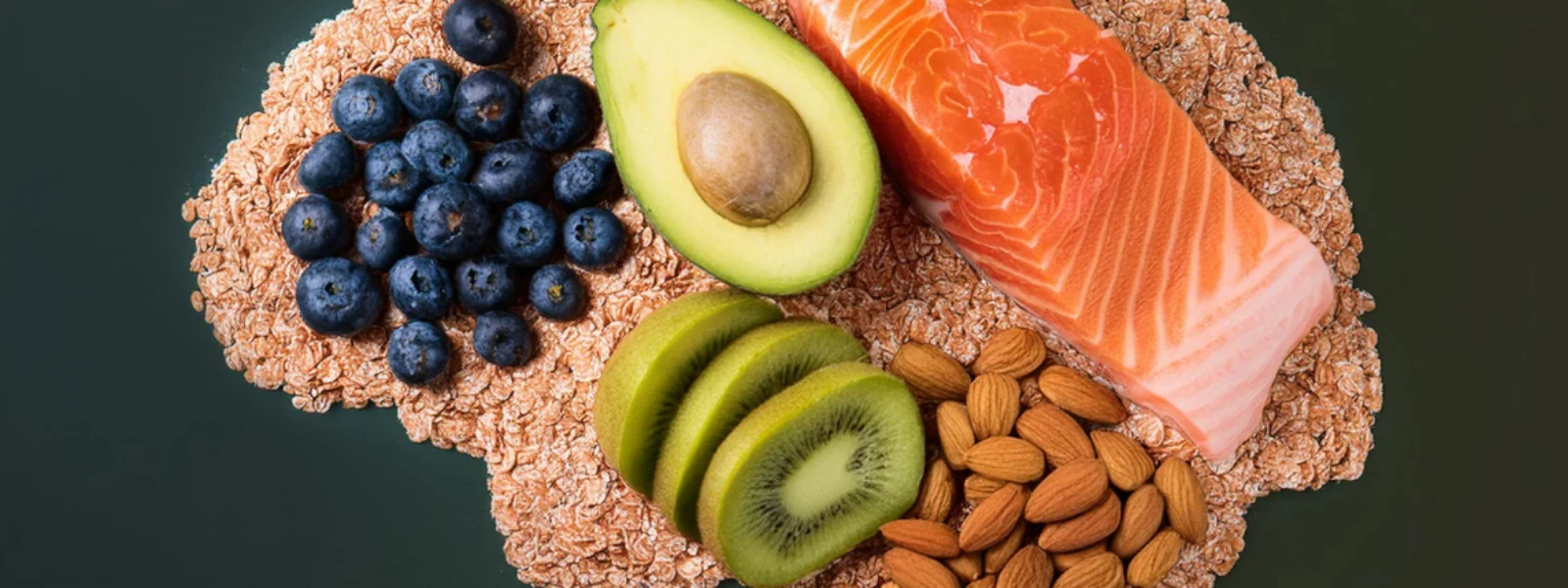


Your brain is roughly 75% water, making proper hydration one of the most critical factors for optimal cognitive performance. Even mild dehydration of just 2% can significantly impair your mental abilities, affecting everything from focus and memory to decision-making speed. Understanding how hydration for cognitive performance works can unlock your brain's full potential and give you a competitive edge in both professional and athletic pursuits.
This comprehensive guide explores seven scientifically-backed ways that proper hydration enhances brain function. You'll discover practical strategies to optimize your water intake, recognize early signs of cognitive dehydration, and implement hydration protocols that support peak mental performance throughout your day.
Your brain's high water content isn't just coincidental—it's essential for virtually every cognitive process. Water facilitates neurotransmitter production, enabling smooth communication between brain cells. The blood-brain barrier, which protects your brain from harmful substances, relies on proper hydration to function effectively.
When you're adequately hydrated, your brain cells maintain their optimal shape and electrical conductivity. This allows for efficient signal transmission and supports the complex chemical reactions that underlie thought, memory, and consciousness. Cognitive function hydration research shows that even small decreases in brain water content can disrupt these delicate processes.
Studies consistently demonstrate that dehydration impacts cognitive performance faster than most people realize. Research published in the Journal of Nutrition found that losing just 1.4% of body water after exercise impaired both mood and concentration in young women. For men, similar effects occurred at 1.6% dehydration.
The cognitive decline timeline is surprisingly rapid. Within hours of inadequate fluid intake, you may notice subtle changes in mental sharpness. Individual factors like age, fitness level, and baseline hydration status influence how quickly these effects manifest, but the underlying principle remains consistent across populations.
Proper hydration focus concentration creates the foundation for sustained mental effort. When your brain receives adequate water, blood flow increases, delivering oxygen and nutrients more efficiently to neural tissues. This enhanced circulation directly supports your ability to maintain attention on demanding tasks.
Workplace studies reveal that employees who maintain optimal hydration levels show measurably better performance on concentration-intensive tasks. Students who drink water before exams consistently score higher than their dehydrated peers, demonstrating the immediate practical benefits of proper fluid intake.
Water plays a crucial role in hydration memory performance by supporting the hippocampus, your brain's primary memory center. Adequate hydration facilitates the formation of new neural pathways essential for learning and memory consolidation.
Research shows that both short-term and long-term memory benefit from proper hydration. During sleep, when your brain consolidates memories from the day, adequate hydration ensures optimal glymphatic system function—your brain's waste removal process that clears metabolic debris and strengthens memory traces.
The connection between brain performance water intake and processing speed is well-established in cognitive research. Hydrated brains show faster reaction times and improved decision-making speed across various mental tasks.
This enhancement stems from improved neural efficiency. When brain cells are properly hydrated, electrical signals travel more quickly between neurons, reducing the time needed to process information and formulate responses. Athletes particularly benefit from this effect during competition when split-second decisions can determine outcomes.
Dehydration triggers stress hormone release, creating a cascade of negative effects on mood and mental state. Proper hydration brain health helps regulate cortisol levels, reducing anxiety and promoting emotional stability.
Mental fog—that frustrating feeling of unclear thinking—often results from inadequate hydration. When you maintain optimal fluid levels, you experience greater mental clarity, improved emotional regulation, and enhanced overall well-being. This creates a positive feedback loop where better mood supports better cognitive performance.
Executive functions—including planning, organization, and problem-solving—require significant cognitive resources. Hydration supports the prefrontal cortex, the brain region responsible for these higher-order thinking skills.
Well-hydrated individuals demonstrate superior multitasking abilities and show greater mental flexibility when switching between different types of tasks. This translates to improved productivity and better performance in complex, demanding situations that require strategic thinking.
Creativity flourishes when your brain operates at peak efficiency. Proper hydration supports divergent thinking—the ability to generate multiple solutions to a problem—and enhances mental flexibility needed for innovative approaches.
Studies of creative professionals show that those who maintain consistent hydration levels throughout the day produce more original ideas and demonstrate greater problem-solving creativity. The improved neural connectivity that comes with adequate hydration facilitates the cross-domain thinking essential for innovation.
Quality sleep is essential for cognitive performance, and hydration plays a vital role in sleep optimization. Proper fluid balance supports REM sleep, the stage most critical for memory consolidation and cognitive recovery.
However, timing matters. While adequate daily hydration improves sleep quality, consuming large amounts of water close to bedtime can disrupt sleep through frequent awakenings. The key is maintaining consistent hydration throughout the day while tapering intake in the evening hours.
Did You Know?
Your brain uses approximately 20% of your body's total energy, and proper hydration is essential for delivering the glucose and oxygen needed to fuel this high metabolic demand. Even mild dehydration can reduce brain energy efficiency by up to 15%.
Recognizing dehydration cognitive effects early can prevent significant performance decrements. Subtle signs include difficulty concentrating, increased mental effort for routine tasks, and mild mood changes like irritability or restlessness.
Many people mistake these early symptoms for stress, fatigue, or other factors, missing the simple solution of increased fluid intake. By the time you feel thirsty, cognitive performance may already be compromised, making proactive hydration essential.
Chronic mild dehydration may accelerate cognitive aging and increase risk factors for neurodegenerative diseases. Brain imaging studies show that even moderate dehydration can cause temporary brain volume reduction, though this reverses with rehydration.
The cumulative effects of repeated dehydration episodes may contribute to long-term cognitive decline. While research in this area continues, the evidence strongly supports maintaining consistent, optimal hydration as a protective factor for brain health throughout life.
Individual water intake cognition requirements vary based on body weight, activity level, climate, and overall health. A general starting point is 35-40ml per kilogram of body weight daily, but this may need adjustment based on your specific circumstances.
Active individuals, those in hot climates, or people with high cognitive demands may require significantly more fluid. Monitor your urine color as a simple indicator—pale yellow suggests adequate hydration, while darker colors indicate the need for increased intake.
Strategic hydration timing can optimize cognitive benefits throughout your day. Start with 16-20 ounces of water upon waking to rehydrate after overnight fluid losses. Continue with consistent intake every 1-2 hours rather than consuming large amounts infrequently.
Pre-activity hydration is particularly important for cognitive tasks. Drinking 8-16 ounces of water 30 minutes before mentally demanding work can enhance performance. During extended cognitive work, small, frequent sips maintain optimal hydration without causing discomfort.
Sports hydration cognition strategies require special consideration due to increased fluid losses through sweating and elevated metabolic demands. Athletes need to balance physical and cognitive hydration needs, as both affect performance.
Competition day protocols should include pre-event hydration 2-3 hours before activity, followed by smaller amounts closer to start time. During competition, aim for 6-8 ounces every 15-20 minutes, adjusting based on sweat rate and environmental conditions.
While water forms the foundation of hydration, electrolytes like sodium, potassium, and magnesium play crucial roles in cognitive function. These minerals facilitate nerve signal transmission and maintain proper cellular fluid balance.
Natural electrolyte sources include fruits, vegetables, and mineral-rich foods. For intense cognitive work or extended periods of mental effort, consider electrolyte supplementation to maintain optimal hydration levels and support peak brain function.
Water temperature affects absorption rates and cognitive impact. Room temperature water typically absorbs faster than very cold water, though cold water may provide a mild alertness boost through its stimulating effect.
For optimal absorption, avoid consuming large volumes rapidly. Instead, focus on consistent, moderate intake that allows your body to effectively utilize the fluid for cognitive enhancement.
Developing hydration awareness helps maintain optimal cognitive performance. Beyond urine color, monitor energy levels, concentration ability, and mood changes as indicators of hydration status.
Thirst is a late indicator of dehydration, so don't rely solely on this signal. Instead, establish regular drinking habits and pay attention to subtle performance changes that may indicate the need for increased fluid intake.
Modern technology offers sophisticated tools for tracking hydration status. Smart water bottles, hydration apps, and wearable devices can help maintain optimal fluid balance for cognitive performance.
While technology can be helpful, remember that individual responses vary. Use these tools as guides while developing your own awareness of how hydration affects your mental performance and overall well-being.
Cognitive improvements from proper hydration can begin within 15-30 minutes of fluid intake. However, achieving optimal hydration status for peak performance typically requires consistent intake over several hours. The brain prioritizes water allocation, so cognitive benefits often appear before physical performance improvements.
Yes, excessive water intake can lead to hyponatremia, a dangerous condition where blood sodium levels become too low. This can actually impair cognitive function and pose serious health risks. Stick to recommended intake levels and balance water consumption with appropriate electrolyte intake, especially during intense physical or mental activity.
Plain water effectively supports cognitive function for most people. Mineral water can provide additional electrolytes that support brain function. Avoid excessive caffeine or sugar-containing beverages, as these can create hydration imbalances. The key is consistent intake of clean, pure water throughout the day.
Caffeine has mild diuretic effects but doesn't significantly impact overall hydration status in regular consumers. However, caffeine can enhance certain cognitive functions while potentially masking dehydration symptoms. Balance caffeinated beverages with additional water intake to maintain optimal hydration for brain performance.
Yes, aging affects both hydration needs and cognitive sensitivity to dehydration. Older adults may have reduced thirst sensation and kidney efficiency, making consistent hydration more challenging but equally important. Age-related changes in brain structure may also increase sensitivity to dehydration's cognitive effects, making proactive hydration strategies essential for maintaining mental sharpness.
Proper hydration represents one of the most accessible and effective strategies for optimizing cognitive performance. From enhanced focus and memory to improved creativity and mood, adequate water intake supports every aspect of brain function. The seven ways hydration boosts brain performance—sharper focus, enhanced memory, faster processing, improved mood, better executive function, increased creativity, and optimized sleep—demonstrate the profound impact of this simple yet powerful intervention. By implementing strategic hydration practices, monitoring your fluid status, and maintaining consistent intake patterns, you can unlock your brain's full potential and achieve sustained cognitive excellence in all areas of life.



