A Step-by-Step Guide to High Protein Vegetables in India
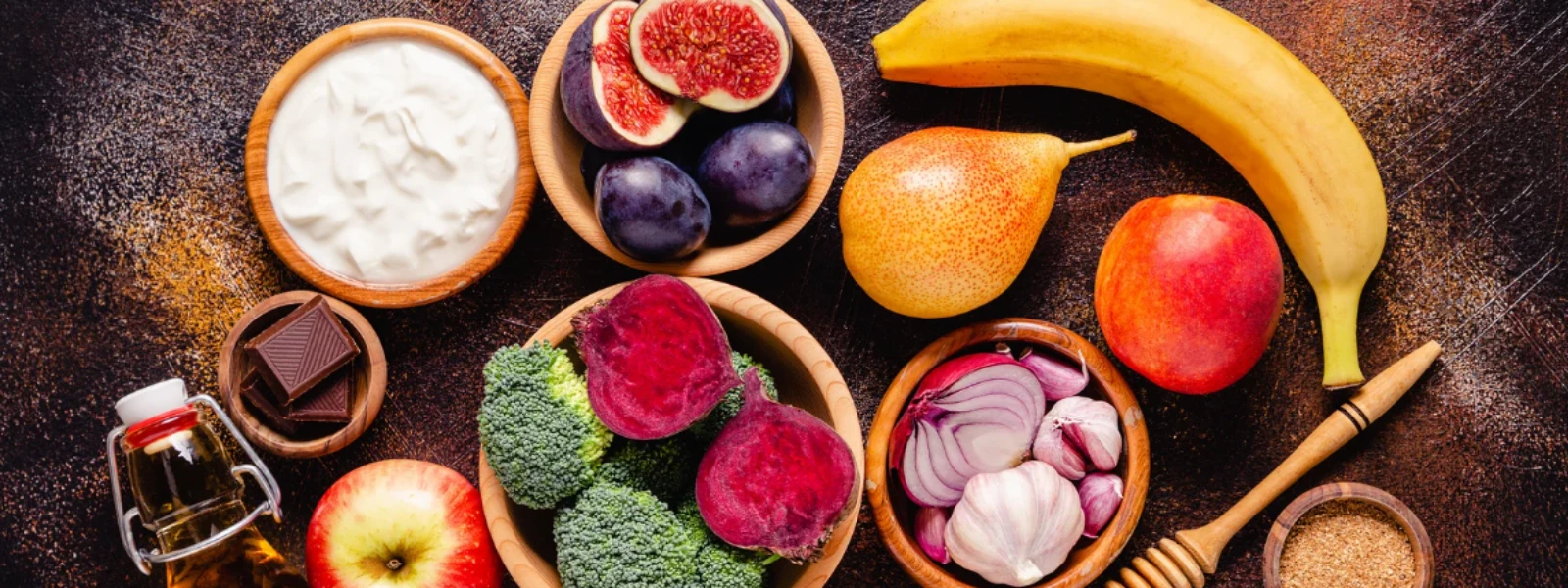


Plant-based protein has become a cornerstone of athletic nutrition, especially in India where vegetarian diets are deeply rooted in culture and tradition. For fitness enthusiasts and athletes seeking optimal performance while maintaining a vegetarian lifestyle, understanding how to maximize protein intake through vegetables is crucial. This comprehensive guide will walk you through the best high protein vegetables available in India and show you exactly how to incorporate them into your diet for peak performance.
The challenge many face is getting enough protein to support muscle growth, recovery, and overall athletic performance without relying on animal products. The good news is that India offers an incredible variety of high protein vegetables that can easily meet your nutritional needs when used strategically.
Vegetable proteins offer unique advantages that make them particularly valuable for athletes and fitness enthusiasts. Unlike animal proteins, plant-based sources come packed with fiber, antioxidants, and phytonutrients that support overall health and recovery.
Research shows that plant proteins can be just as effective as animal proteins for muscle protein synthesis when consumed in adequate amounts. The key lies in understanding amino acid profiles and combining different protein sources throughout the day.
Plant proteins also tend to be more alkaline, which can help maintain optimal pH levels in the body during intense training. This alkaline environment supports better recovery and reduces inflammation, making high protein vegetables in India an excellent choice for serious athletes.
The digestibility of vegetable proteins varies significantly depending on preparation methods and food combinations. Proper cooking techniques can dramatically improve protein absorption, making your meals more effective for muscle building and recovery.
Sprouting, fermenting, and combining complementary proteins are traditional Indian practices that naturally enhance protein quality. These methods break down anti-nutrients and increase the bioavailability of amino acids.
India's diverse agricultural landscape provides access to numerous high protein vegetables that can form the foundation of a performance-focused diet. Let's explore the most potent options available in Indian markets.
Soybeans top the list of high protein vegetables india with an impressive 36 grams of protein per 100 grams. This complete protein source contains all essential AmIno aciDS required for muscle growth and repair.
Fresh soybeans, known as edamame, provide about 11 grams of protein per 100 grams when cooked. Processed soy products like tofu, tempeh, and soy chunks offer concentrated protein that's easily incorporated into traditional Indian dishes.
The versatility of soy makes it perfect for everything from breakfast scrambles to evening curries. Soy chunks can be rehydrated and used as a meat substitute in biryanis and gravies.
Green peas deliver approximately 5 grams of protein per 100 grams, making them one of the best high protein veggies india has to offer. They're also rich in lysine, an amino acid often limited in plant foods.
Fresh peas can be added to rice dishes, curries, and even blended into protein-rich smoothies. Dried peas, when sprouted, become even more nutritious and easier to digest.
Spinach provides about 3 grams of protein per 100 grams, but its real strength lies in its micronutrient density. Iron, folate, and magnesium support energy production and muscle function.
Other leafy greens like amaranth leaves, fenugreek leaves, and mustard greens offer similar protein content while providing unique flavors and nutrients that support athletic performance.
This cruciferous vegetable offers 3 grams of protein per 100 grams along with powerful antioxidants that support recovery. Broccoli's complete amino acid profile makes it particularly valuable for athletes.
Steam or lightly sauté broccoli to preserve its protein content and nutritional value. It pairs excellently with Indian spices and can be incorporated into dal preparations.
Combining different high protein vegetables in a single meal can create a complete amino acid profile that rivals animal proteins. For example, pairing rice with lentils and vegetables provides all essential amino acids needed for muscle protein synthesis.
Mushrooms provide 3-4 grams of protein per 100 grams and offer a unique umami flavor that enhances any dish. Button mushrooms, oyster mushrooms, and shiitake varieties are commonly available in Indian markets.
The protein in mushrooms is highly bioavailable and contains all essential amino acids. They're also rich in B vitamins that support energy metabolism during training.
While technically legumes, lentils deserve special mention as they're integral to Indian cuisine. Different dal varieties provide 8-25 grams of protein per 100 grams depending on the type.
Moong dal, masoor dal, and chana dal each offer unique protein profiles and can be prepared in countless ways. Sprouted lentils increase protein content and improve digestibility.
Creating effective meal plans with high protein plant based foods india requires understanding daily protein requirements and optimal timing for consumption.
Active individuals need 1.2-2.0 grams of protein per kilogram of body weight, depending on training intensity and goals. For a 70kg athlete, this translates to 84-140 grams of protein daily.
Distributing protein intake across 4-5 meals ensures optimal muscle protein synthesis throughout the day. Each meal should contain 20-30 grams of protein for maximum effectiveness.
A well-planned high protein vegetarian diet india can easily meet athletic needs. Start your day with a protein-rich smoothie containing spinach, protein powder, and seeds.
Lunch might include a substantial dal preparation with vegetables, quinoa, and a side of soy curry. Evening meals can feature stuffed vegetables, protein-rich sabzis, and legume-based dishes.
Snacks throughout the day should focus on nuts, seeds, and vegetable-based protein sources to maintain steady amino acid availability.
The key to success with high protein vegetable recipes india lies in creative preparation that maximizes both taste and nutritional value.
Before training, focus on easily digestible proteins combined with complex carbohydrates. A spinach and lentil pancake with a side of sprouted moong provides sustained energy and amino acids.
Smoothies made with green vegetables, protein powder, and fruits offer quick absorption while delivering essential nutrients for performance.
After training, prioritize fast-absorbing proteins to kickstart recovery. Soy-based curries with vegetables and quinoa provide complete amino acids for muscle repair.
Protein-rich vegetable soups incorporating multiple high-protein sources can be both comforting and nutritionally powerful for recovery.
Creating satisfying high protein veggie snacks india requires creativity and planning. Roasted chickpeas seasoned with Indian spices provide portable protein and flavor.
Vegetable protein bars made with dates, nuts, seeds, and protein powder offer convenient nutrition between meals. Hummus with vegetable sticks provides both protein and micronutrients.
Getting the most from high protein vegetables for athletes india requires understanding factors that influence protein absorption and utilization.
Proper cooking methods can significantly improve protein digestibility. Pressure cooking legumes breaks down complex proteins into more absorbable forms.
Fermentation, a traditional Indian practice, increases protein bioavailability while adding beneficial probiotics. Sprouting seeds and legumes can increase protein content by 15-30%.
Traditional Indian food combinations naturally create complete proteins. Rice and dal together provide all essential amino acids in optimal ratios.
Combining different vegetable proteins throughout the day ensures adequate intake of all amino acids. This approach is more effective than relying on single protein sources.
Spreading protein intake across multiple meals optimizes muscle protein synthesis. Consuming protein every 3-4 hours maintains positive nitrogen balance essential for muscle growth and recovery.
Pre and post-workout protein timing becomes crucial for athletes using high protein vegetables bodybuilding india protocols. Aim for 20-25 grams of protein within 30 minutes after training.
Monitoring protein consumption from high protein vegetable sources india ensures you're meeting your athletic goals without guesswork.
Understanding portion sizes helps estimate protein intake accurately. A cup of cooked lentils provides approximately 18 grams of protein, while a cup of cooked spinach offers about 5 grams.
Using kitchen scales initially helps calibrate portion recognition. Once familiar with serving sizes, visual estimation becomes more accurate and practical.
Nutrition tracking apps can simplify monitoring high protein vegetable meals india. Many apps include Indian food databases that make logging traditional dishes easier.
Focus on apps that allow custom recipe creation, as many Indian dishes combine multiple ingredients in unique ways that generic entries might not capture accurately.
Vegetarian athletes typically need 1.4-2.0 grams of protein per kilogram of body weight, slightly higher than omnivorous athletes due to differences in protein quality and digestibility. This ensures adequate amino acid availability for muscle protein synthesis and recovery.
Yes, vegetables combined with legumes, nuts, and seeds can absolutely support serious muscle building when consumed in adequate quantities and proper combinations. The key is eating diverse protein sources throughout the day to ensure complete amino acid profiles.
Soy products, lentils, and green peas are excellent post-workout choices due to their complete amino acid profiles and relatively fast absorption. Combining these with easily digestible carbohydrates enhances recovery and muscle protein synthesis.
Traditional combinations like rice with dal, or bread with legume-based curries naturally create complete proteins. The rule is combining grains with legumes, or including a variety of vegetables throughout the day to ensure all essential amino acids are consumed.
Some people may experience digestive discomfort when suddenly increasing vegetable protein intake due to higher fiber content. Gradually increasing portions, proper cooking methods like soaking and sprouting, and staying well-hydrated can minimize these issues.
High protein vegetables in India offer athletes and fitness enthusiasts a powerful, sustainable way to meet their nutritional needs while honoring cultural dietary preferences. From soybeans providing complete amino acid profiles to the traditional wisdom of combining dal with rice, India's vegetarian protein sources are both scientifically sound and practically accessible. The key to success lies in strategic meal planning, proper preparation techniques, and consistent tracking of intake across diverse protein sources. By implementing the step-by-step approaches outlined in this guide, you can confidently build a high-performance diet that supports your athletic goals while celebrating the rich variety of plant-based proteins available in Indian cuisine. Start incorporating these strategies today, and discover how vegetable proteins can fuel your fitness journey effectively and deliciously.



