Checklist: 7 Reasons 100g Curd Protein Boosts Wellness
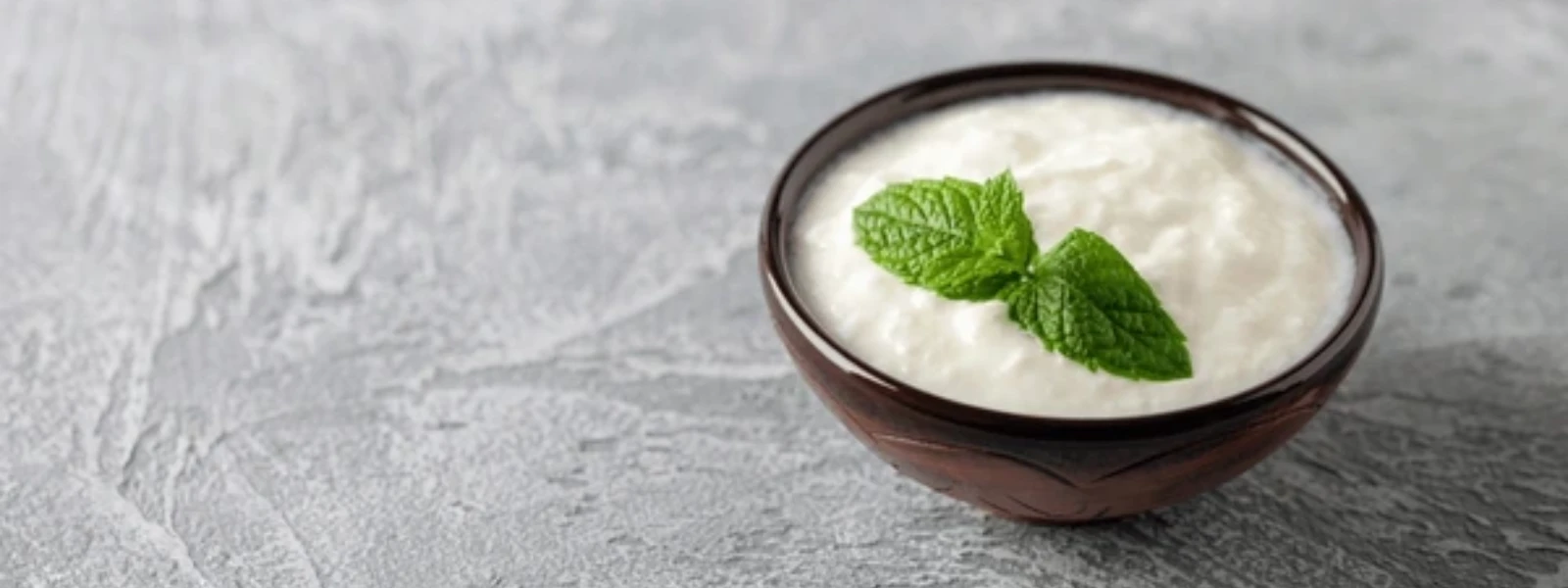


Curd stands as one of nature's most complete PrOtein sOURces, delivering essential nutrients that fuel athletic performance and support overall wellness. This fermented dairy powerhouse contains approximately 100 gram curd protein alongside probiotics, vitamins, and minerals that work synergistically to enhance your fitness journey. Understanding how this simple food can transform your training outcomes requires examining its precise nutritional profile and exploring seven compelling reasons why athletes and fitness enthusiasts should prioritize curd in their daily nutrition plan.
Every 100 grams of curd delivers between 9-11.75 grams of high-quality protein, making it a significant contributor to daily protein requirements. This high protein curd contains approximately 60-80 calories, with protein accounting for roughly 50-60% of its total caloric content. The remaining calories come from naturally occurring carbohydrates and minimal fat content.
The protein quality in curd ranks exceptionally high due to its complete amino acid profile. Unlike many plant-based proteins, protein-rich yogurt provides all nine essential AmIno aciDS that your body cannot produce independently. This complete protein structure supports muscle protein synthesis more effectively than incomplete protein sources.
When examining curd nutrition facts against other common protein sources, curd demonstrates remarkable efficiency. While chicken breast provides approximately 31 grams of protein per 100 grams, curd offers nearly 10 grams with added benefits of probiotics and easier digestibility. Compared to plant proteins like lentils, which provide 9 grams per 100 grams, curd matches the protein content while offering superior bioavailability.
The casein and whey proteins found in curd create an ideal environment for muscle development and recovery. Casein protein, comprising roughly 80% of curd's protein content, digests slowly and provides a sustained release of amino acids to muscles over several hours. This extended amino acid availability makes curd for muscle building particularly effective during overnight recovery periods.
Research demonstrates that consuming protein-rich foods like curd within two hours post-exercise significantly enhances muscle protein synthesis rates. The leucine content in curd, an essential branched-chain amino acid, triggers the mTOR pathway responsible for muscle growth and repair.
Beyond protein content, curd contains calcium and phosphorus that support muscle contraction and energy metabolism. These minerals work alongside protein to facilitate faster recovery from intense training sessions. The anti-inflammatory properties of certain bioactive peptides in fermented dairy may also help reduce exercise-induced muscle damage.
Did You Know?
The protein in 100 grams of curd provides approximately 15-20% of the daily protein requirement for most adults, making it one of the most efficient single-serving protein sources available in whole foods.
Different sports place varying demands on the body, and curd's nutritional profile adapts well to diverse athletic requirements. For endurance athletes, the sustained energy release from casein protein helps maintain stable blood amino acid levels during prolonged activities. This steady nutrient supply can enhance curd for endurance performance by preventing muscle breakdown during extended training sessions.
Strength athletes benefit from curd's high biological value protein, which supports rapid muscle tissue repair and growth. The timing flexibility of curd consumption makes it ideal for curd for strength training protocols. Unlike some protein supplements that require specific timing, curd can be consumed throughout the day to maintain positive nitrogen balance.
High-intensity sports that combine power and endurance elements find particular value in curd's balanced macronutrient profile. The moderate carbohydrate content provides quick energy, while protein supports recovery between training sessions or competitions.
The fermentation process that creates curd introduces beneficial bacteria that support digestive health. These probiotics enhance gut microbiome diversity, which directly impacts nutrient absorption efficiency and immune function. A healthy gut environment improves the body's ability to extract and utilize nutrients from all foods consumed, not just the curd itself.
Lactase enzymes produced during fermentation partially break down lactose, making curd more digestible than regular milk for individuals with mild lactose sensitivity. This improved digestibility ensures that the curd protein content reaches muscles more efficiently without causing digestive distress that might interfere with training.
Recent research highlights the gut-brain axis and its influence on athletic performance. The probiotics in curd may support mental clarity and stress management during competition by promoting healthy neurotransmitter production in the gut. This connection makes curd valuable beyond its direct nutritional contributions.
Curd functions as more than just a protein source; it acts as a metabolic enhancer that supports various physiological processes crucial for curd for athletic performance. The B vitamins present in curd, particularly B12 and riboflavin, play essential roles in energy metabolism and red blood cell formation.
The phosphorus content in curd supports ATP production, the cellular energy currency that powers muscle contractions. This mineral works synergistically with protein to optimize energy utilization during both aerobic and anaerobic activities.
Regular consumption of high-quality protein sources like curd helps maintain healthy testosterone levels in male athletes and supports overall hormonal balance in female athletes. The zinc content in curd contributes to hormone production and immune function, both critical for maintaining consistent training capacity.
Optimizing curd consumption requires understanding when and how to incorporate it into your nutrition plan. Pre-workout consumption provides readily available amino acids, while post-workout intake supports recovery. The slow-digesting nature of casein makes evening consumption particularly beneficial for overnight muscle recovery.
Combining curd with complementary foods enhances its benefits. Adding fruits provides additional carbohydrates for glycogen replenishment, while nuts contribute healthy fats and additional protein. This combination creates a more complete nutritional profile that supports comprehensive recovery and performance enhancement.
While 100 grams provides substantial protein, individual needs vary based on body weight, training intensity, and overall dietary patterns. Athletes weighing 70 kilograms might benefit from 150-200 grams of curd daily, distributed across multiple servings to optimize protein synthesis rates.
The versatility of curd allows for creative preparation methods that enhance both palatability and nutritional value. Blending with berries creates antioxidant-rich smoothies, while savory preparations with herbs and spices provide variety without compromising nutritional benefits.
The relationship between curd for recovery and training adaptation extends beyond immediate muscle repair. Consistent protein intake from quality sources like curd supports long-term adaptations that improve strength, endurance, and power output over time.
Sleep quality, crucial for recovery and performance, may benefit from curd's tryptophan content. This amino acid serves as a precursor to serotonin and melatonin, neurotransmitters that regulate sleep cycles. Consuming curd in the evening may support better sleep quality and subsequent recovery processes.
Intense training can temporarily suppress immune function, making athletes more susceptible to illness. The probiotics and protein in curd support immune system strength by maintaining gut barrier function and providing building blocks for immune cells. This protection helps maintain training consistency by reducing illness-related disruptions.
100 grams of curd typically contains between 9-11.75 grams of high-quality protein. This amount can vary slightly depending on the fat content and preparation method, but most commercial curd varieties fall within this range.
Yes, consuming 200 grams of curd daily is generally safe for most healthy individuals. This amount would provide approximately 18-23 grams of protein along with beneficial probiotics and other nutrients. However, individual tolerance may vary, especially for those with lactose sensitivity.
Curd is primarily a protein source, though it also contains some fat and carbohydrates. In regular curd, protein typically accounts for the largest portion of macronutrients by weight, followed by carbohydrates from lactose, and then fat content.
To maximize protein absorption from curd, consume it with vitamin C-rich foods, ensure adequate hydration, and space consumption throughout the day rather than consuming large amounts at once. Combining curd with resistance exercise also enhances protein utilization for muscle building.
The optimal timing depends on your goals. Pre-workout consumption provides readily available amino acids, post-workout supports recovery, and evening consumption aids overnight muscle repair due to casein's slow-release properties. Many athletes benefit from consuming curd at multiple times throughout the day.
Conclusion
The seven compelling reasons to incorporate 100 gram curd protein into your wellness routine demonstrate its value as both a nutritional powerhouse and performance enhancer. From supporting muscle building and recovery to enhancing digestive health and providing sustained energy, curd offers a comprehensive approach to athletic nutrition. Its complete amino acid profile, probiotic benefits, and metabolic support make it an invaluable addition to any serious athlete's dietary strategy. The versatility and accessibility of curd ensure that achieving optimal protein intake becomes both practical and enjoyable, supporting your journey toward peak performance and overall wellness.



