Checklist: Essential Tofu Protein per 100g Benefits
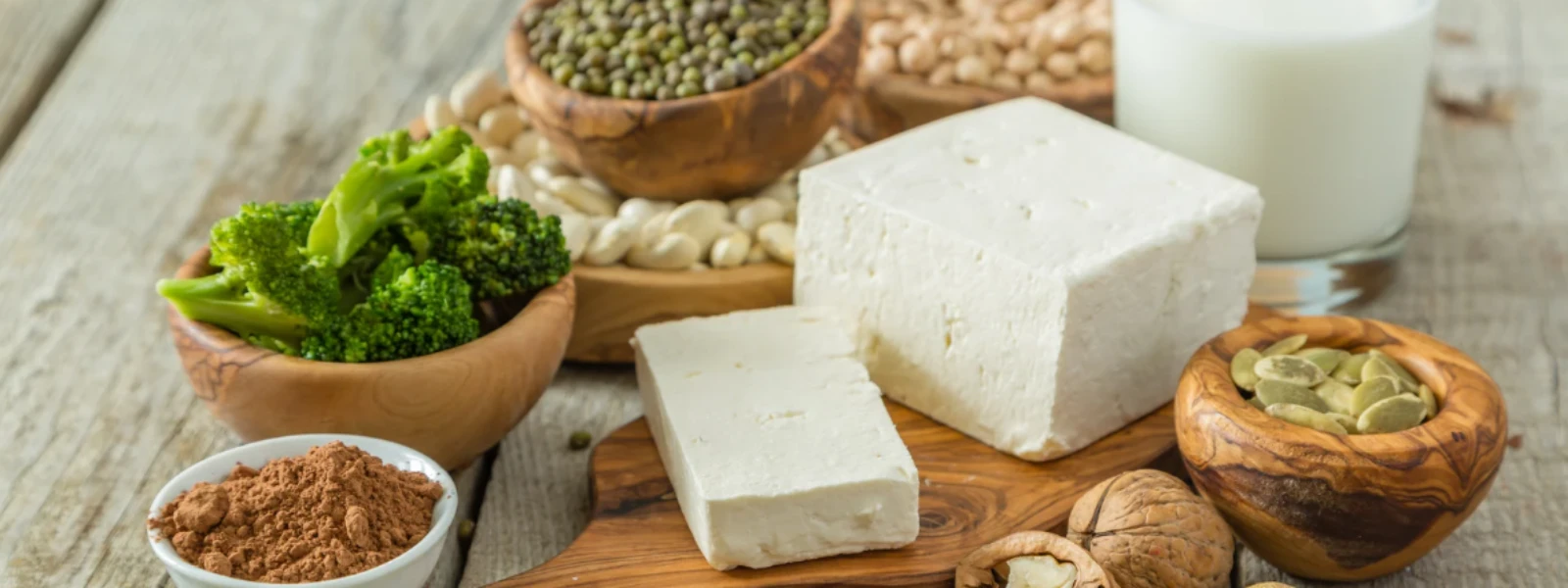


Tofu stands out as one of the most versatile and nutritionally dense protein sources available today. This plant-based powerhouse has gained significant attention among athletes, fitness enthusiasts, and health-conscious individuals seeking high-quality protein alternatives. Understanding tofu protein per 100g becomes crucial when planning a performance-oriented diet that supports muscle building, recovery, and overall athletic excellence.
The protein content in tofu varies significantly depending on its preparation and firmness level. This variation makes it essential to understand which type of tofu delivers the optimal protein density for your specific fitness goals. Whether you're training for endurance sports, building muscle mass, or maintaining general fitness, knowing the exact protein composition helps you make informed nutritional choices.
Research shows that tofu can provide anywhere from 8 to 17 grams of protein per 100g serving, making it a substantial contributor to daily protein requirements. This range depends on factors like water content, processing methods, and the specific type of soybeans used in production.
The tofu protein content differs dramatically across various firmness levels, creating distinct nutritional profiles for different dietary needs. Silken tofu, with its higher water content, typically contains 8-10 grams of protein per 100g. This softer variety works excellently in smoothies, desserts, and sauces where texture flexibility matters more than protein density.
Firm tofu elevates the protein game significantly, delivering approximately 12-15 grams of protein per 100g. The reduced water content concentrates the protein, making it an excellent choice for stir-fries, grilling, and meal prep where protein density becomes a priority. Extra-firm tofu pushes these numbers even higher, reaching 15-17 grams of protein per 100g.
This protein concentration occurs through pressing techniques that remove excess moisture, essentially concentrating the soybean solids. The firmer the tofu, the more protein you receive per serving, making extra-firm varieties particularly valuable for athletes requiring higher protein intake.
When examining tofu nutrition across different types, the protein-to-calorie ratio becomes an important consideration. Firm tofu provides approximately 1.2-1.5 grams of protein per 10 calories, while silken tofu offers about 0.8-1.0 grams per 10 calories. This ratio helps athletes optimize their protein intake while managing overall caloric consumption.
Beyond protein content, tofu macronutrients present a well-balanced nutritional profile that supports athletic performance. A 100g serving of firm tofu typically contains 70-90 calories, making it a relatively low-calorie protein source compared to many animal-based alternatives.
Tofu provides all nine essential AmIno aciDS, qualifying it as a complete protein source. This characteristic makes it particularly valuable for athletes who rely on plant-based nutrition. The amino acid profile includes significant amounts of leucine, isoleucine, and valine – the branched-chain amino acids crucial for muscle protein synthesis and recovery.
The protein digestibility of tofu rates highly, with studies showing absorption rates comparable to many animal proteins. This efficient absorption supports muscle recovery and growth, making it an excellent choice for post-workout nutrition strategies.
Tofu delivers essential micronutrients that support athletic performance beyond protein content. It provides significant amounts of iron, calcium, magnesium, and phosphorus. These minerals play crucial roles in energy metabolism, bone health, and muscle function – all vital for optimal athletic performance.
Performance Insight
Athletes consuming 100g of extra-firm tofu receive approximately 15-17g of complete protein along with 20% of their daily calcium needs and 15% of their iron requirements, making it a nutritionally dense choice for performance nutrition.
Tofu for athletes offers unique advantages in terms of protein quality and digestibility. The protein efficiency ratio of soy protein, tofu's primary protein source, demonstrates excellent biological value. This means the body can effectively utilize the amino acids for muscle building and repair processes.
The amino acid composition of tofu supports both endurance and strength training goals. Leucine content, crucial for triggering muscle protein synthesis, ranges from 1.2-1.5g per 100g of firm tofu. This amount approaches levels found in animal proteins, making tofu a viable alternative for muscle building protocols.
Arginine, another important amino acid found abundantly in tofu, supports blood flow and nutrient delivery to working muscles. This characteristic makes tofu in sports nutrition particularly beneficial for endurance athletes requiring sustained energy delivery.
Modern tofu processing techniques have significantly improved protein digestibility compared to whole soybeans. The fermentation and coagulation processes break down complex proteins into more easily absorbed forms. Research indicates that tofu protein absorption rates range from 85-95%, competing favorably with animal protein sources.
Maximizing the benefits of tofu as a protein source requires strategic preparation and consumption timing. The way you prepare tofu can influence both its protein content and bioavailability, making preparation methods an important consideration for athletes.
Pressing tofu before cooking removes additional water, further concentrating the protein content. This technique can increase protein density by 10-15%, effectively boosting the tofu protein per 100g from your serving. Marinating pressed tofu also enhances flavor while maintaining protein integrity.
Cooking methods like grilling, baking, or stir-frying help preserve protein content while improving texture. These dry-heat methods avoid diluting the protein concentration that might occur with steaming or boiling.
For tofu for performance sports, timing consumption around training sessions maximizes protein utilization. Consuming tofu within 30-60 minutes post-workout provides amino acids during the crucial muscle recovery window. The complete amino acid profile supports both immediate recovery and long-term adaptations.
While tofu provides complete protein, combining it with other plant proteins can enhance overall amino acid availability. Pairing tofu with quinoa, hemp seeds, or legumes creates synergistic protein combinations that support diverse athletic goals.
Comparing high protein tofu with other protein sources reveals its competitive position in sports nutrition. Per 100g, extra-firm tofu provides 15-17g protein, while chicken breast delivers approximately 23g, and whey protein powder offers 70-80g.
While tofu may contain less protein per gram than some animal sources, it offers additional benefits including fiber, phytonutrients, and lower saturated fat content. The tofu protein composition includes beneficial compounds like isoflavones, which may support recovery and reduce exercise-induced inflammation.
Cost-effectiveness analysis shows tofu providing excellent protein value. The protein cost per gram often undercuts many animal protein sources, making it an economical choice for athletes managing nutrition budgets.
Tofu production requires significantly less environmental resources compared to animal proteins. This sustainability factor appeals to environmentally conscious athletes while delivering comparable protein quality. Additionally, the absence of cholesterol and lower saturated fat content supports cardiovascular health during intense training periods.
Successfully incorporating tofu protein benefits into an athletic diet requires practical meal planning strategies. Understanding portion sizes, preparation techniques, and meal timing helps athletes maximize protein intake while maintaining dietary variety.
Athletes typically require 1.2-2.0g protein per kilogram of body weight daily. A 70kg athlete needing 140g daily protein could obtain 25-30g from 150-200g of firm tofu, representing about 20% of daily requirements from a single source.
Meal prep strategies work excellently with tofu due to its versatility and storage stability. Pressed and seasoned tofu maintains quality for 3-4 days refrigerated, supporting weekly meal preparation routines common among athletes.
High-protein tofu recipes can address various athletic nutrition needs. Tofu scrambles provide excellent breakfast protein, while grilled tofu serves as lean dinner protein. Blended silken tofu creates protein-rich smoothies perfect for post-workout recovery.
Marinated tofu cubes work excellently in grain bowls, providing sustained energy for endurance training. The protein combines well with complex carbohydrates to support glycogen replenishment and muscle recovery simultaneously.
The protein content varies by tofu type, ranging from 8-10g in silken tofu to 15-17g in extra-firm varieties. Firm tofu typically contains 12-15g of protein per 100g serving.
Yes, consuming 100g of tofu daily is generally safe and beneficial for most people. This amount provides 8-17g of complete protein along with essential minerals and healthy fats without exceeding recommended soy intake levels.
Tofu provides complete protein with all essential amino acids, making it comparable to animal proteins in quality. While protein concentration may be lower than some sources, tofu offers additional benefits like fiber, minerals, and phytonutrients.
Tofu supports performance through complete protein for muscle recovery, essential amino acids for protein synthesis, and minerals like iron and calcium for energy metabolism and bone health. Its digestibility and anti-inflammatory compounds further enhance recovery.
Press tofu to concentrate protein, combine with Vitamin C-rich foods to enhance iron absorption, and consume within post-workout windows for optimal muscle protein synthesis. Proper preparation and timing maximize the benefits of tofu protein.
Tofu emerges as a versatile, high-quality protein source that effectively supports athletic performance and recovery goals. With protein content ranging from 8-17g per 100g depending on firmness, it provides substantial nutritional value for athletes seeking plant-based protein alternatives. The complete amino acid profile, excellent digestibility, and additional micronutrients make tofu a strategic addition to performance-oriented nutrition plans. Whether you're building muscle, supporting endurance training, or maintaining general fitness, understanding tofu's protein content helps optimize your dietary choices for sustained athletic success.



