Creatine Recovery: Everything You Need to Know
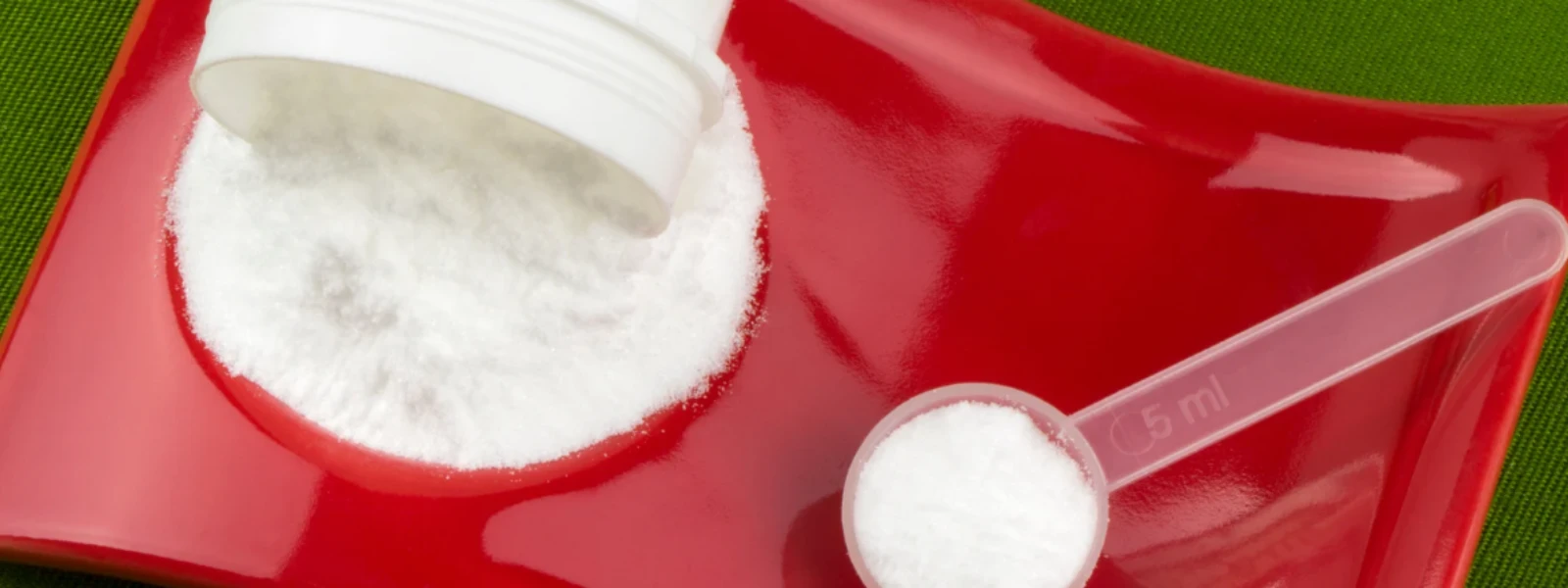


Every athlete knows the feeling - that post-workout fatigue when your muscles scream for relief and recovery seems to take forever. While rest and nutrition form the foundation of muscle repair, recovery supplements with creatine have emerged as a game-changer in sports nutrition. This comprehensive guide explores how creatine accelerates muscle recovery, reduces soreness, and optimizes your body's natural healing processes. You'll discover the science behind creatine's recovery benefits, learn optimal supplementation strategies, and understand how to integrate creatine into your recovery routine for maximum results.
Recovery supplements with creatine work by replenishing your body's energy stores and supporting cellular repair mechanisms. Unlike other muscle recovery supplements that focus solely on reducing inflammation or providing building blocks for protein synthesis, creatine addresses recovery at the cellular energy level.
Creatine exists naturally in your muscle cells as phosphocreatine, serving as a rapid energy source during high-intensity exercise. When you train hard, these stores become depleted. Supplementing with creatine helps restore these energy reserves faster, allowing your muscles to begin the repair process more efficiently.
The mechanism involves ATP (adenosine triphosphate) regeneration - your body's primary energy currency. During recovery, your muscles need substantial ATP to power protein synthesis, remove metabolic waste, and repair damaged tissue. Creatine provides the phosphate groups necessary to rapidly regenerate ATP from ADP (adenosine diphosphate), essentially giving your recovery processes more fuel to work with.
Research published in the Journal of Sports Medicine and Physical Fitness demonstrates that creatine supplementation can reduce markers of muscle damage by up to 25% compared to placebo groups. This translates to faster recovery times and reduced muscle soreness between training sessions.
While protein supplements provide amino acids for muscle building and anti-inflammatory compounds reduce exercise-induced damage, creatine works at the energy production level. This unique mechanism makes it particularly effective when combined with other recovery nutrients, creating a comprehensive approach to post workout recovery.
Scientific research has consistently demonstrated multiple creatine benefits specifically related to recovery and muscle repair. Understanding these mechanisms helps explain why creatine has become a cornerstone of effective sports nutrition supplements.
Creatine enhances muscle protein synthesis - the process by which your body builds new muscle proteins to repair exercise-induced damage. Studies show that creatine supplementation can increase protein synthesis rates by 15-20% during the post-exercise recovery period. This acceleration means faster repair of microscopic muscle tears and quicker adaptation to training stimuli.
The enhanced protein synthesis occurs through multiple pathways. Creatine increases cellular hydration, which creates an anabolic environment that promotes protein building. Additionally, the improved energy availability allows protein synthesis machinery to work more efficiently.
Muscle repair supplements containing creatine have been shown to reduce markers of muscle damage including creatine kinase and lactate dehydrogenase. A study in the International Journal of Sport Nutrition found that athletes taking creatine experienced 23% less muscle damage markers compared to those taking a placebo.
This protective effect occurs because well-energized muscle cells are more resistant to damage during intense exercise. When ATP levels remain higher throughout your workout, muscle fibers maintain better structural integrity, resulting in less damage that needs repairing afterward.
Did You Know?
Research indicates that creatine supplementation can reduce delayed onset muscle soreness (DOMS) by up to 40% when taken consistently for at least two weeks before intense training periods. This reduction in soreness correlates directly with faster functional recovery between sessions.
Creatine supports faster glycogen replenishment in muscle tissue. Glycogen serves as a crucial energy source during recovery, powering the various cellular processes involved in muscle repair. Studies demonstrate that creatine supplementation can increase post-exercise glycogen synthesis by 18-25% compared to carbohydrate intake alone.
This enhanced glycogen storage capacity means your muscles have more readily available energy for recovery processes, leading to faster restoration of function and reduced fatigue between training sessions.
When selecting best creatine supplements for recovery, creatine monohydrate remains the most researched and effective form. This simple compound has over 30 years of research supporting its safety and efficacy for both performance and recovery applications.
Creatine monohydrate offers several advantages for workout recovery. Its high bioavailability means more creatine reaches your muscle cells where it's needed most. The monohydrate form also demonstrates the most consistent results across different populations and training protocols.
Research comparing various creatine forms consistently shows that monohydrate produces the greatest increases in muscle creatine content. Higher muscle creatine levels directly correlate with improved recovery markers and reduced fatigue between sessions.
While newer creatine forms like creatine HCL and buffered creatine claim superior absorption, research doesn't support significant advantages for recovery applications. Creatine monohydrate's extensive research base and proven track record make it the most reliable choice for recovery-focused supplementation.
The cost-effectiveness of creatine monohydrate also makes it accessible for long-term use, which is essential for maintaining elevated muscle creatine levels and consistent recovery benefits.
Effective use of recovery drinks and performance supplements containing creatine requires understanding optimal dosing, timing, and combination strategies. The right protocol can significantly enhance your recovery outcomes.
For recovery applications, a maintenance dose of 3-5 grams of creatine daily proves most effective. While loading phases (20 grams daily for 5-7 days) can saturate muscle creatine stores faster, they're not necessary for recovery benefits. Consistent daily intake matters more than front-loading.
Research shows that muscle creatine levels plateau after 3-4 weeks of consistent supplementation, regardless of whether you use a loading protocol. For recovery purposes, the steady-state approach often works better because it avoids potential digestive discomfort that can interfere with training.
While creatine timing is less critical than consistency, taking it post-workout may offer slight advantages for recovery. Post-exercise muscle blood flow is elevated, potentially enhancing creatine uptake. Additionally, combining creatine with post-workout carbohydrates can improve muscle creatine storage.
Many athletes successfully incorporate creatine into their post-workout recovery drinks, combining it with protein and carbohydrates for comprehensive recovery nutrition.
Combining creatine with other recovery nutrients can enhance overall effectiveness. A typical recovery drink might include 3-5 grams of creatine, 20-30 grams of high-quality protein, and 30-50 grams of carbohydrates. This combination supports multiple recovery pathways simultaneously.
Hydration remains crucial when using creatine. The supplement increases cellular water retention, so maintaining adequate fluid intake supports both creatine's effectiveness and overall recovery processes.
Sophisticated sports nutrition supplements protocols often combine creatine with other evidence-based recovery compounds. These combinations can provide synergistic benefits that exceed what any single supplement offers alone.
β-Hydroxy β-Methylbutyrate (HMB) combined with creatine shows promise for accelerated recovery. HMB reduces protein breakdown while creatine enhances protein synthesis, creating a powerful combination for muscle preservation and repair.
Studies indicate that this combination can reduce recovery time between intense training sessions by 15-20% compared to either supplement alone. The synergy appears most pronounced during periods of high training volume or caloric restriction.
Glutamine, the most abundant amino acid in muscle tissue, pairs well with creatine for recovery applications. While creatine provides energy for recovery processes, glutamine serves as a building block for protein synthesis and supports immune function during intense training periods.
Research suggests that combining 5-10 grams of glutamine with 3-5 grams of creatine can reduce muscle soreness and accelerate strength recovery compared to either supplement individually.
Combining creatine with high-quality protein sources creates an optimal recovery environment. The amino acids from protein provide building blocks for muscle repair, while creatine supplies the energy needed to utilize these building blocks efficiently.
Whey protein, in particular, pairs well with creatine due to its rapid absorption and complete amino acid profile. Taking both together post-workout maximizes the anabolic window for recovery and adaptation.
Yes, research consistently shows that creatine supplementation can significantly improve muscle recovery by enhancing ATP regeneration, reducing muscle damage markers, and accelerating protein synthesis. Most users notice improved recovery within 1-2 weeks of consistent use.
For recovery, take 3-5 grams of creatine monohydrate daily, preferably post-workout with carbohydrates and protein. Consistency matters more than precise timing, so choose a schedule you can maintain long-term.
Studies demonstrate that creatine supplementation can reduce delayed onset muscle soreness by 25-40% when taken consistently. This occurs through reduced exercise-induced muscle damage and faster repair processes.
Most people notice improved recovery within 1-2 weeks of consistent creatine supplementation. Peak benefits typically occur after 4-6 weeks when muscle creatine stores reach saturation levels.
Creatine works well with other recovery nutrients like protein, glutamine, and HMB. These combinations can provide synergistic benefits, but creatine alone offers substantial recovery advantages when used consistently.
Recovery supplements with creatine offer a scientifically-backed approach to accelerating muscle repair and reducing post-workout fatigue. Through its unique mechanism of enhancing cellular energy production, creatine supports faster protein synthesis, reduces muscle damage, and improves glycogen replenishment. Creatine monohydrate remains the gold standard for recovery applications, offering proven effectiveness at an accessible cost. When combined with proper dosing protocols and complementary nutrients, creatine becomes a powerful tool for optimizing your recovery and training adaptations. Whether you're an elite athlete or fitness enthusiast, incorporating creatine into your recovery routine can help you train harder, recover faster, and achieve your performance goals more efficiently.



