How Much Plant Protein Powder for Gut Health?
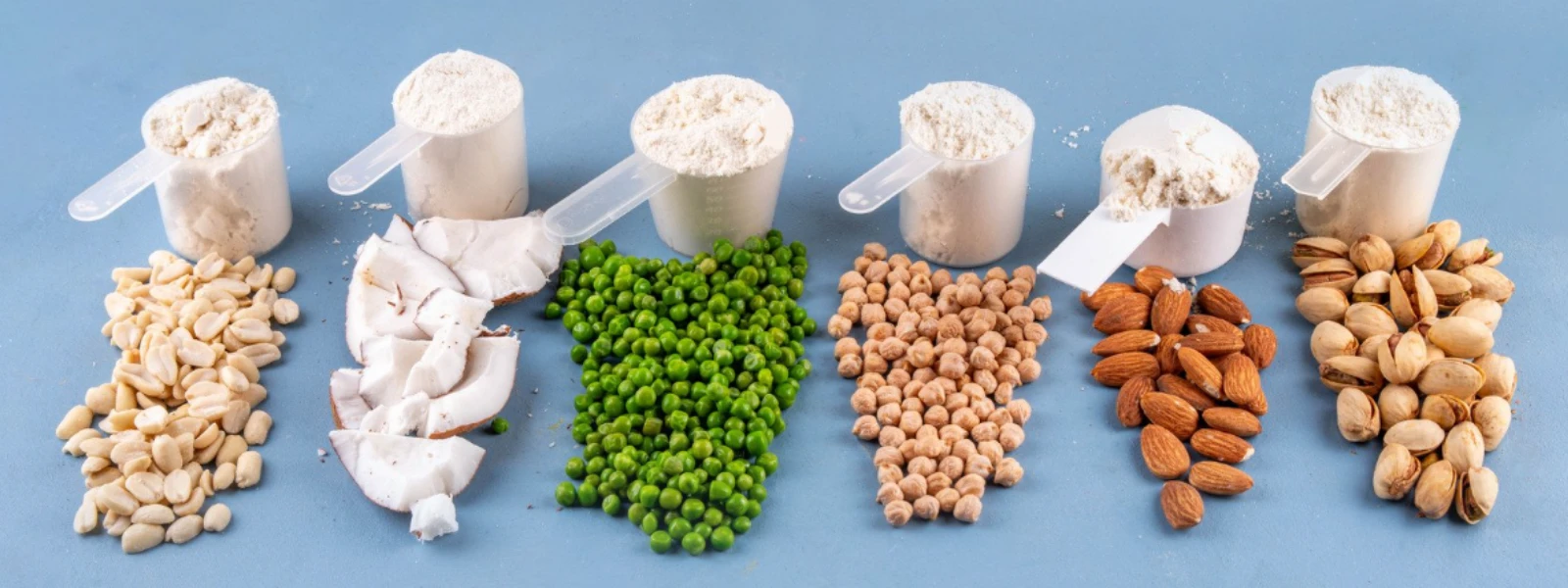


Your gut health plays a crucial role in how your body processes nutrients, fights infections, and maintains overall wellness. When it comes to plant protein powder dosage for gut health, finding the right balance can transform your digestive experience while supporting your fitness goals. Unlike animal-based proteins, plant proteins offer unique benefits for your gut microbiome, but understanding proper dosing is key to maximizing these advantages without causing digestive discomfort.
The relationship between protein intake and digestive health isn't one-size-fits-all. Your individual needs depend on factors like body weight, activity level, gut sensitivity, and existing digestive conditions. This guide explores evidence-based recommendations for optimizing your plant protein gut health through strategic dosing and timing.
Plant proteins interact differently with your digestive system compared to animal proteins. Research published in the American Journal of Clinical Nutrition shows that plant-based proteins promote beneficial bacteria growth in your gut microbiome. These proteins contain fiber and prebiotic compounds that feed good bacteria, creating a healthier digestive environment.
The gut microbiome protein relationship is particularly interesting with plant sources. Pea protein, hemp protein, and rice protein each contain different amino acid profiles and fiber content that influence bacterial diversity. Studies indicate that individuals consuming plant proteins show increased levels of Bifidobacterium and Lactobacillus, bacteria associated with improved digestive health and reduced inflammation.
Protein powder digestion varies significantly between plant and animal sources. Plant proteins typically require more digestive enzymes and time to break down completely. This slower digestion can actually benefit gut health by providing sustained amino acid release and reducing digestive stress.
The fiber content in many plant protein powders acts as a prebiotic, feeding beneficial gut bacteria. However, this same fiber can cause initial digestive discomfort if you're not accustomed to higher fiber intake. Your digestive system needs time to adapt and produce adequate enzymes for optimal processing.
The optimal plant protein powder dosage for gut health typically ranges from 20-30 grams per serving for most adults. This amount provides sufficient amino acids for muscle synthesis while remaining gentle on your digestive system. Research from the International Journal of Sport Nutrition suggests that doses above 40 grams per serving may overwhelm digestive capacity and lead to discomfort.
Your total daily protein needs should guide your supplementation strategy. The recommended dietary allowance (RDA) for protein is 0.8 grams per kilogram of body weight for sedentary adults. However, active individuals may need 1.2-2.0 grams per kilogram body weight, depending on exercise intensity and goals.
For a 70-kilogram (154-pound) active adult, this translates to 84-140 grams of total daily protein. Plant protein powder should supplement, not replace, whole food protein sources. Aim for powder to contribute 25-40% of your total protein intake to maintain digestive balance.
Several factors influence your optimal plant protein dosage. Age affects protein absorption efficiency, with older adults potentially needing slightly higher amounts. Your current gut health status also matters – those with compromised digestion may need to start with smaller doses and gradually increase.
Activity level significantly impacts protein requirements. Endurance athletes may benefit from 1.2-1.4 grams per kilogram body weight, while strength athletes might need 1.6-2.0 grams per kilogram. Distribute this intake across multiple meals and snacks for optimal absorption.
Pro Tip: Start Small for Gut Adaptation
Begin with 15-20 grams of plant protein powder daily for the first week, then gradually increase to your target dose. This approach allows your digestive enzymes and gut bacteria to adapt, reducing the likelihood of bloating or digestive discomfort.
Plant-based protein benefits extend beyond muscle building to include significant digestive advantages. Clinical studies demonstrate that plant proteins can reduce inflammatory markers in the digestive tract. The polyphenols and antioxidants naturally present in many plant protein sources contribute to these anti-inflammatory effects.
Regular consumption of plant protein powders promotes bacterial diversity in your gut microbiome. Research published in Nutrients journal shows that individuals consuming diverse plant proteins maintain more varied bacterial populations, associated with better immune function and digestive health.
The prebiotic properties of plant proteins feed beneficial bacteria strains. Unlike animal proteins, many plant proteins retain some of their original fiber and phytonutrient content even after processing. This nutritional complexity supports a thriving microbial ecosystem.
Studies indicate that plant protein gut health benefits include reduced intestinal inflammation. Plant proteins contain compounds that may help maintain the integrity of your intestinal barrier, preventing unwanted substances from entering your bloodstream and triggering inflammatory responses.
Not all plant proteins are created equal when it comes to digestive tolerance. If you experience protein powder bloating or discomfort, the type of plant protein matters significantly. Some sources are inherently easier to digest and less likely to cause gastrointestinal issues.
Pea protein ranks among the most digestible plant options for sensitive stomachs. Its amino acid profile closely matches human needs, and it's naturally low in FODMAPs (fermentable carbohydrates that can trigger digestive symptoms). Hemp protein offers complete amino acids with added omega-3 fatty acids that support gut health.
Rice protein provides excellent digestibility but may lack certain amino acids. Consider blended plant proteins that combine multiple sources to achieve complete amino acid profiles while maintaining digestive friendliness. These blends often include digestive enzymes to further enhance absorption.
When selecting a protein powder for sensitive stomach, avoid products with artificial sweeteners, excessive fiber additives, or common allergens. Sugar alcohols like sorbitol and mannitol can cause digestive distress in sensitive individuals. Similarly, high amounts of inulin or chicory root fiber may trigger bloating.
Look for clean label products without unnecessary additives. Natural flavoring and minimal ingredients often indicate better digestive tolerance. Products tested for heavy metals and contaminants also reduce the risk of digestive irritation.
Even with proper dosing, some individuals may experience initial digestive adjustment when starting plant protein supplementation. Understanding how to minimize these effects ensures a smoother transition and better long-term compliance.
Plant protein absorption can be enhanced through strategic timing and combination with other nutrients. Consuming plant protein with a small amount of healthy fats can slow digestion and reduce the likelihood of rapid gastric emptying that sometimes causes discomfort.
Adequate hydration is crucial for protein digestion. Aim for at least 8-10 ounces of water with your protein powder serving. This helps dissolve the powder completely and supports the enzymatic processes required for protein breakdown.
Digestive enzyme supplementation can significantly improve plant protein tolerance. Proteases specifically break down protein molecules into absorbable amino acids. Some plant protein powders include these enzymes, but you can also take them separately if needed.
Consider incorporating naturally enzyme-rich foods like pineapple or papaya around your protein consumption times. These fruits contain bromelain and papain, respectively, which assist protein digestion and may reduce protein powder gut inflammation.
Timing your plant protein intake can significantly impact both absorption and digestive comfort. Understanding when and how to consume your protein powder optimizes its benefits for gut health while minimizing potential side effects.
Morning consumption allows your digestive system to process protein when enzyme production is typically highest. Post-workout timing within 30-60 minutes supports muscle recovery while your body is primed for nutrient uptake. However, avoid consuming large protein doses immediately before bed, as this can disrupt sleep quality.
Splitting your daily plant protein powder into two smaller servings often improves digestive tolerance compared to one large dose. This approach provides steady amino acid availability while reducing digestive burden.
Combining plant protein with probiotic-rich foods or supplements can enhance gut health benefits. Greek yogurt, kefir, or fermented vegetables consumed around the same time as your protein powder may support beneficial bacterial growth and improve overall digestive function.
Adding a small amount of healthy fats like almond butter or MCT oil to your protein shake can slow absorption and reduce the likelihood of digestive upset. These fats also support the absorption of fat-soluble vitamins that may be present in fortified protein powders.
Consuming more than 40-50 grams of plant protein powder per serving can overwhelm your digestive capacity and lead to bloating, gas, or discomfort. Most people tolerate 20-30 grams per serving well, with total daily supplementation not exceeding 60 grams alongside a balanced diet.
Yes, some individuals may experience initial digestive adjustment including mild bloating or changes in bowel movements. These effects typically resolve within 1-2 weeks as your gut bacteria and digestive enzymes adapt to increased plant protein intake.
Morning or post-workout consumption generally provides the best digestive tolerance. Avoid taking large doses late in the evening, and ensure adequate hydration with each serving. Spacing multiple servings throughout the day is preferable to consuming large amounts at once.
Common signs include persistent bloating, gas, stomach cramping, or changes in bowel movements that don't improve after 2-3 weeks of consistent use. Keep a food diary to identify patterns and consider switching protein sources or reducing dosage if symptoms persist.
Digestive enzymes can be beneficial, especially during the initial adaptation period or if you have known digestive sensitivities. Look for enzyme blends containing proteases, or choose plant protein powders that already include digestive enzymes in their formulation.
Optimizing your plant protein powder dosage for gut health requires a personalized approach that considers your individual digestive capacity, activity level, and overall health goals. Starting with 20-30 grams per serving and gradually adjusting based on your body's response provides the safest and most effective path to better digestive health. Remember that plant proteins offer unique advantages for gut microbiome diversity and reduced inflammation when consumed appropriately. By choosing high-quality, clean-label products and implementing strategic timing and combination strategies, you can harness the full potential of plant protein supplementation while maintaining optimal digestive comfort. Consider consulting with a nutrition professional to develop a customized approach that aligns with your specific health needs and goals.



