How Much Protein in Oats? A Step-by-Step Guide to Nutrition
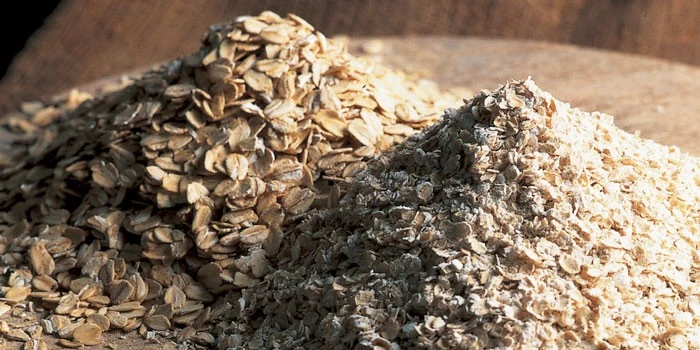


Oats have long been celebrated as a breakfast staple, but their impressive protein content often goes unnoticed. For health enthusiasts and athletes seeking plant-based protein sources, understanding exactly how much protein in oats can help optimize nutrition plans and support fitness goals. This comprehensive guide breaks down the protein content in oats, explores their unique nutritional profile, and provides practical strategies for maximizing protein intake through strategic oat consumption.
Understanding oats protein content starts with knowing the exact measurements across different serving sizes. Raw oats contain approximately 13-17 grams of protein per 100 grams, making them one of the highest protein grains available. This variability depends on the oat variety and processing method used.
For practical meal planning, a standard one-cup serving of uncooked oats (roughly 80 grams) provides approximately 26 grams of protein. This substantial amount rivals many traditional protein sources and makes oats an excellent foundation for protein-rich meals.
A typical 50-gram serving, which is common for breakfast portions, delivers 6-7 grams of protein. While this might seem modest compared to animal proteins, the quality and digestibility of oats protein nutrition make it highly beneficial for sustained energy and muscle support.
Different preparation methods affect the final protein concentration. Cooked oats contain less protein per serving due to water absorption, but the absolute protein content remains unchanged. One cup of cooked oats typically provides 5-6 grams of protein, as the grain expands significantly during cooking.
Oats protein per serving offers more than just quantity – the quality sets it apart from other plant-based proteins. The primary protein in oats is avenalin, which comprises about 80% of the total protein content. This unique protein provides excellent digestibility and bioavailability compared to many other grain proteins.
The amino acid composition of oats protein is particularly noteworthy. While not a complete protein on its own, oats contain higher levels of lysine than most other cereals. Lysine is often the limiting amino acid in plant proteins, making oats a superior choice among grain-based protein sources.
Research shows that oats score well on protein quality ratings, with a Protein Digestibility Corrected Amino Acid Score (PDCAAS) of approximately 0.57. While lower than animal proteins, this score surpasses many other plant-based options, including most legumes and other grains.
Did You Know?
Oats contain more protein than brown rice, quinoa, and most other popular grains. Their protein quality also exceeds that of wheat and corn, making them an exceptional choice for plant-based nutrition.
Understanding oats protein benefits extends beyond basic consumption. Strategic combinations can significantly boost the overall protein value of oat-based meals. Adding protein powder to oats creates a powerhouse breakfast that can easily provide 30-40 grams of high-quality protein per serving.
Combining oats with complementary proteins enhances amino acid profiles. Greek yogurt, nuts, seeds, and milk create complete protein combinations while maintaining the sustained energy benefits of oats. These combinations are particularly beneficial for oats protein for athletes who need both immediate and long-term energy support.
For optimal oats protein intake, nutrition experts recommend 40-50 grams of dry oats per serving, providing 5-8 grams of protein. Active individuals and athletes may benefit from larger portions or multiple servings throughout the day to support increased protein requirements.
Meal prep strategies can maximize convenience while ensuring consistent protein intake. Preparing overnight oats with protein-rich additions allows for grab-and-go nutrition that supports busy lifestyles while maintaining nutritional goals.
The relationship between oats protein for muscle building and athletic performance stems from both the protein content and the complex carbohydrate matrix. This combination provides sustained energy release while supporting muscle protein synthesis, making oats ideal for both pre and post-workout nutrition.
Oats protein for performance offers unique advantages over isolated protein sources. The fiber content slows digestion, providing a steady amino acid release that supports prolonged muscle protein synthesis. This sustained release is particularly beneficial for endurance athletes who need consistent energy and recovery support.
Post-workout oats protein consumption supports muscle recovery through multiple mechanisms. The combination of protein and complex carbohydrates helps replenish glycogen stores while providing amino acids for muscle repair. The anti-inflammatory compounds in oats may also support faster recovery times.
Research indicates that consuming oats protein within the post-workout window can enhance muscle protein synthesis when combined with other protein sources. This makes oats an excellent base for recovery smoothies and post-training meals.
Understanding oats protein comparison across different varieties helps optimize nutritional choices. Steel-cut oats typically contain the highest protein concentration, as they undergo minimal processing. These oats retain more of their natural protein structure and provide approximately 7 grams of protein per 50-gram serving.
Rolled oats, the most common variety, offer slightly less protein due to the steaming and rolling process. However, they still provide excellent protein content with improved digestibility and faster cooking times. A 50-gram serving of rolled oats contains approximately 6 grams of protein.
Instant oats undergo the most processing, which can slightly reduce protein content and quality. However, they remain a good protein source, providing about 5-6 grams per 50-gram serving. The convenience factor often outweighs the minor protein reduction for busy individuals.
Oats protein powder represents the most concentrated form, with some varieties containing 15-20 grams of protein per serving. These products combine the benefits of oats with enhanced protein content, making them ideal for athletes and fitness enthusiasts seeking maximum protein efficiency.
Creating high-protein oat meals requires strategic ingredient combinations that complement the natural protein content. Overnight oats prepared with Greek yogurt, chia seeds, and protein powder can easily provide 25-30 grams of protein per serving while maintaining the satisfying texture and taste of traditional oats.
Savory oat preparations often surprise people with their protein potential. Steel-cut oats cooked with bone broth and topped with eggs create a protein-rich meal providing over 20 grams of high-quality protein. Adding nuts, seeds, or cheese further enhances both protein content and flavor complexity.
Protein smoothies incorporating oats create portable nutrition that supports active lifestyles. Blending oats with protein powder, milk, and fruits provides sustained energy while meeting protein requirements. The fiber in oats helps slow nutrient absorption, providing longer-lasting satiety and energy.
Batch preparing protein-rich oat meals ensures consistent nutrition throughout busy weeks. Pre-portioned overnight oats with varying protein additions create convenient grab-and-go options that support nutritional goals without sacrificing taste or convenience.
Raw oats contain approximately 13-17 grams of protein per 100 grams, depending on the variety and processing method. This makes oats one of the highest protein grains available, surpassing most other cereals in protein content.
Yes, oats can support muscle building when combined with adequate total protein intake and resistance training. The protein in oats provides essential AmIno aciDS for muscle protein synthesis, while the complex carbohydrates support energy for workouts and recovery.
Oats are not technically a complete protein as they are lower in certain essential amino acids, particularly lysine. However, they can be easily combined with other protein sources like dairy, nuts, or protein powder to create complete amino acid profiles.
To achieve 30 grams of protein from oats, combine one cup of dry oats (about 26g protein) with protein-rich additions like Greek yogurt, protein powder, or milk. Adding nuts, seeds, or nut butter can help reach the target while enhancing flavor and nutritional value.
Steel-cut oats typically contain the highest protein concentration due to minimal processing. They retain more of their natural protein structure compared to rolled or instant varieties, though all types provide substantial protein content for plant-based sources.
Understanding how much protein in oats reveals their potential as a valuable addition to any nutrition plan. With 13-17 grams of protein per 100 grams and excellent amino acid composition, oats provide sustained energy while supporting muscle health and recovery. Whether you're an athlete seeking performance nutrition or someone looking to increase plant-based protein intake, oats offer versatility, convenience, and substantial nutritional benefits. By combining oats with complementary protein sources and incorporating them strategically into your meal planning, you can harness their full potential for optimal health and performance. Explore how quality nutrition supplements can further enhance your protein intake and support your wellness journey.



