How Much Protein is in Your Peanut Butter?
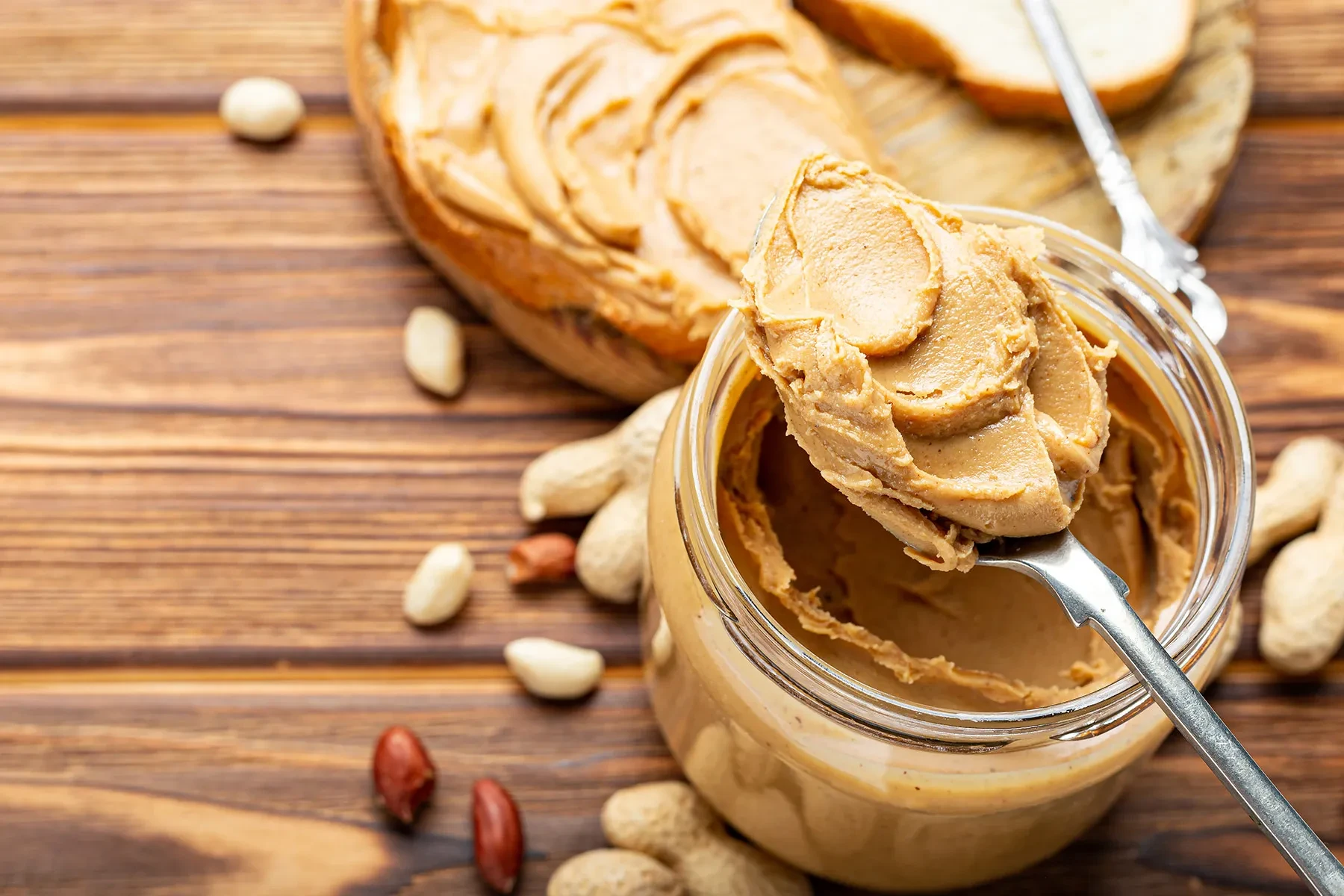


Peanut butter sits in almost every pantry, but most people don't realize they're looking at a surprisingly powerful protein source. Whether you're spreading it on toast or adding it to smoothies, this creamy favorite packs more protein than you might expect. Understanding exactly how much protein is in peanut butter can help you make smarter nutrition choices and meet your daily protein goals more effectively.
Protein plays a crucial role in muscle building, recovery, and overall health. For fitness enthusiasts, athletes, and anyone looking to optimize their nutrition, knowing the exact protein content in everyday foods like peanut butter becomes essential. This guide breaks down everything you need to know about peanut butter protein content, from exact measurements to how it compares with other protein sources.
Not all peanut butter is created equal when it comes to protein. The type you choose can significantly impact your peanut butter protein per serving. Let's examine the differences between various peanut butter types and their protein profiles.
The texture difference between creamy and crunchy peanut butter doesn't significantly affect protein content. Both varieties typically contain around 7-8 grams of protein per 2-tablespoon serving. The slight variations you might see come from the manufacturing process rather than the base peanut content.
Crunchy peanut butter may have marginally higher protein due to the additional peanut pieces, but the difference is minimal - usually less than 0.5 grams per serving. This means your texture preference won't compromise your protein goals.
Natural peanut butter often contains slightly more protein than heavily processed versions. Natural varieties typically contain 8-9 grams of protein per 2-tablespoon serving, while processed versions with added sugars and oils may contain 7-8 grams.
The peanut butter protein density in natural varieties is higher because there are fewer non-protein ingredients diluting the peanut content. When choosing peanut butter for protein, look for varieties with minimal ingredients - ideally just peanuts and perhaps a small amount of salt.
Understanding precise protein measurements helps you plan your meals and snacks effectively. Here's the complete breakdown of peanut butter protein breakdown across different serving sizes.
A standard 2-tablespoon serving (32 grams) of peanut butter contains approximately 8 grams of protein. This serving size is commonly used because it provides a reasonable balance of nutrients without excessive calories. One tablespoon contains roughly 4 grams of protein, making it easy to adjust portions based on your protein needs.
For those tracking macros precisely, 100 grams of peanut butter contains about 25 grams of protein. This measurement is particularly useful when comparing peanut butter to other protein sources on a weight-for-weight basis.
To put peanut butter protein composition in perspective, consider these comparisons. Two tablespoons of peanut butter provide the same protein as one large egg or about one-third of a 3-ounce chicken breast. For plant-based eaters, this makes peanut butter a valuable protein contributor to daily intake.
The peanut butter protein ratio compared to other nut butters is quite favorable. Almond butter contains slightly less protein at about 6-7 grams per 2-tablespoon serving, while cashew butter provides around 5-6 grams.
Did You Know?
Peanuts are technically legumes, not tree nuts, which explains their higher protein content compared to true nuts like almonds or walnuts. This legume classification means peanut butter shares more nutritional similarities with beans and lentils than with tree nuts.
While protein is important, understanding the complete peanut butter nutritional info helps you make informed dietary choices. Peanut butter offers a complex nutritional profile that extends far beyond its protein content.
The peanut butter macros for a 2-tablespoon serving typically include 8 grams of protein, 16 grams of fat, and 6-8 grams of carbohydrates. This macronutrient distribution makes peanut butter particularly satisfying and helps stabilize blood sugar levels when consumed as part of a balanced meal or snack.
The fat content, while high, consists primarily of heart-healthy monounsaturated and polyunsaturated fats. These fats actually help with the absorption of fat-soluble vitamins and provide sustained energy.
The peanut butter protein profile includes all essential AmIno aciDS, though it's not considered a complete protein like animal sources. Peanut butter is particularly rich in arginine, which supports immune function and wound healing, and contains good amounts of leucine, important for muscle protein synthesis.
While peanut butter alone doesn't provide optimal ratios of all essential AmIno aciDS, combining it with other protein sources throughout the day easily addresses this limitation. Pairing peanut butter with whole grain bread, for example, creates a more complete amino acid profile.
Beyond protein, peanut butter provides significant amounts of niacin, Vitamin E, magnesium, and phosphorus. These nutrients support energy metabolism, antioxidant activity, and bone health. The magnesium content is particularly noteworthy, as this mineral plays crucial roles in muscle function and protein synthesis.
Understanding how your body processes peanut butter protein concentration can help optimize your nutrition timing and athletic performance. The way protein is absorbed and utilized varies based on several factors.
Peanut butter protein has good bioavailability, meaning your body can effectively use most of the protein it contains. However, the high fat content slows digestion, which can be beneficial for sustained amino acid release but less ideal for immediate post-workout recovery.
The fiber content in natural peanut butter also affects digestion speed. While this creates more sustained energy release, it means peanut butter might not be the best choice for rapid protein delivery immediately after intense exercise.
For pre-workout nutrition, peanut butter's combination of protein and healthy fats provides sustained energy without causing digestive distress in most people. The protein helps prevent muscle breakdown during exercise, while the fats provide long-lasting fuel.
Post-workout, peanut butter can be part of an effective recovery strategy when combined with faster-digesting carbohydrates. The protein supports muscle repair, though athletes might benefit from pairing it with more rapidly absorbed protein sources for optimal recovery.
Not all peanut butter products offer the same protein benefits. Knowing how to identify and choose options with maximum peanut butter protein density can help optimize your nutrition.
When shopping for protein-rich peanut butter, focus on the ingredient list first. Products with only peanuts (and perhaps salt) typically offer the highest protein concentration. Avoid varieties with added sugars, oils, or fillers that dilute the protein content.
Some specialty peanut butter products are specifically formulated with additional protein. These enhanced versions might contain added protein powder or other protein-rich ingredients, boosting the protein content to 10-12 grams per serving.
Organic peanut butter doesn't necessarily contain more protein than conventional versions, but it often has fewer additives that might dilute protein concentration. The choice between organic and conventional should be based on personal preferences regarding pesticide exposure rather than protein content alone.
However, organic varieties are more likely to contain only peanuts and salt, which can result in higher protein density compared to conventional products with multiple additives.
Making peanut butter at home allows complete control over protein content. You can create custom blends by adding protein powder, extra peanuts, or other nuts to boost the overall protein profile. A simple addition of unflavored protein powder can increase the protein content significantly while maintaining the familiar peanut butter taste and texture.
Peanut butter is not a complete protein as it doesn't contain optimal ratios of all nine essential amino acids. However, it does contain all essential amino acids in varying amounts. Combining peanut butter with other protein sources throughout the day easily addresses this limitation and provides complete protein nutrition.
Protein powder typically contains 20-30 grams of protein per serving compared to peanut butter's 8 grams per 2-tablespoon serving. However, peanut butter provides additional nutrients like healthy fats, fiber, and micronutrients that pure protein powders lack. They serve different nutritional purposes and can complement each other in a balanced diet.
While peanut butter is an excellent plant-based protein source for vegans, it shouldn't be the sole protein source. Vegans should combine peanut butter with other protein-rich foods like legumes, seeds, and grains throughout the day to ensure adequate protein intake and amino acid variety for optimal health.
Peanut butter provides approximately 0.042 grams of protein per calorie, or about 4.2 grams of protein per 100 calories. While this ratio is moderate compared to lean proteins like chicken breast, the additional nutrients and satiety factor make peanut butter a valuable protein contributor in a balanced diet.
Processing methods can slightly affect protein content. Natural peanut butter that undergoes minimal processing typically retains more protein than heavily processed versions with added oils and sugars. However, the difference is usually small, with natural varieties containing about 0.5-1 gram more protein per serving than heavily processed alternatives.
Peanut butter provides a solid 8 grams of protein per 2-tablespoon serving, making it a valuable addition to any protein-conscious diet. While it's not a complete protein source, its combination of protein, healthy fats, and essential nutrients makes it an excellent choice for sustained energy and nutrition. The key is choosing natural varieties with minimal additives to maximize protein density and overall nutritional value. Whether you're an athlete looking to support muscle recovery or simply trying to meet daily protein goals, peanut butter can be an effective and delicious part of your nutrition strategy. Consider exploring various natural options and even creating custom blends to optimize your protein intake while enjoying this versatile and satisfying food.



