How to Choose the Best Plant-Based Protein Powder
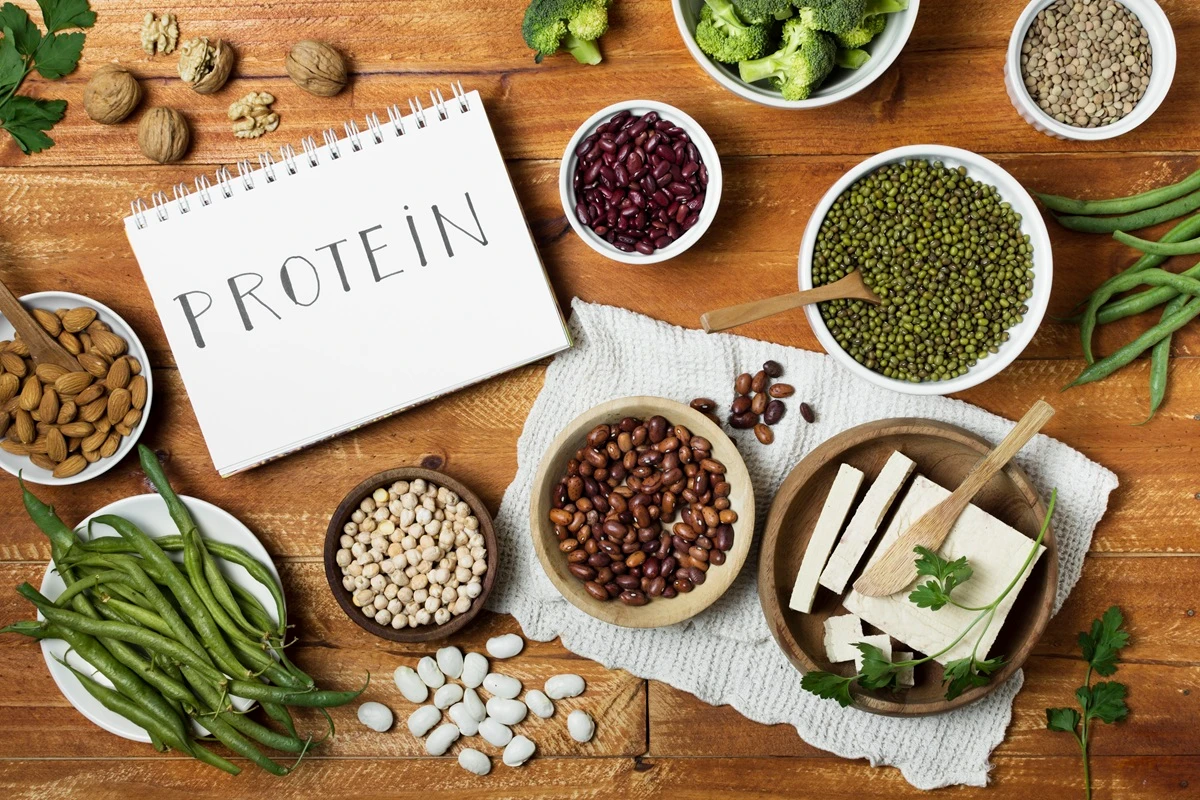


Walking down the supplement aisle can feel overwhelming, especially when you're looking for the perfect vegan protein powder. With countless options promising everything from muscle gains to better recovery, how do you separate the truly effective products from the marketing hype?
This guide will teach you exactly how to choose the best plant-based protein supplement for your unique needs. You'll learn what makes a high-quality vegan protein, how to evaluate different options, and how to match your choice to your fitness goals.
Plant-based protein supplements are concentrated protein sources derived from various plants like peas, rice, hemp, and soy. These powders provide a convenient way to boost your daily protein intake without relying on animal products.
Unlike whole plant foods, these supplements undergo processing to isolate and concentrate the protein content. This makes them more convenient for post-workout nutrition and meal supplementation.
Vegan protein offers several advantages over traditional options. These plant-based alternatives are often easier to digest, making them suitable for people with sensitive stomachs. They're also naturally free from lactose, which benefits those with dairy sensitivities.
Environmental sustainability is another key benefit. Plant proteins require fewer resources to produce compared to animal-based alternatives, making them an eco-conscious choice for health-minded consumers.
The most popular plant protein sources each offer unique benefits. Pea protein provides excellent muscle-building potential with high levels of branched-chain amino acids. Brown rice protein offers good digestibility and a neutral taste profile.
Hemp protein contains beneficial omega fatty acids alongside protein, while soy protein provides a complete amino acid profile similar to animal proteins.
Understanding protein completeness is crucial when selecting plant-based options. Complete proteins contain all nine essential amino acids your body cannot produce on its own. While some plant proteins are naturally complete, others may need to be combined with complementary sources.
A strong amino acid profile ensures your body gets the building blocks it needs for muscle repair and growth. Look for products that either provide complete amino acid profiles or combine multiple plant sources to achieve completeness.
Leucine, isoleucine, and valine are particularly important for muscle protein synthesis. These branched-chain amino acids support recovery and muscle building when consumed after exercise.
The PDCAAS measures how well your body can digest and use protein. Higher scores indicate better protein utilization. Quality plant proteins often score well on this measure, especially when properly processed.
Some plant proteins are naturally more digestible than others. Pea and rice proteins typically offer excellent digestibility, while some people may find hemp or soy proteins slightly harder to process.
Did You Know?
Plant-based protein powders can be just as effective as whey protein for muscle building and recovery, with the added benefits of being more environmentally sustainable and often easier to digest.
Clean label protein means the product contains minimal, recognizable ingredients without artificial additives, fillers, or unnecessary chemicals. These products focus on transparency and simplicity in their formulations.
Clean formulations reduce the risk of digestive issues and unwanted side effects. They also align with health-conscious consumers' preferences for natural, unprocessed nutrition sources.
When evaluating products, look for those with superior ingredients, highly absorbable formats, palatable flavors that don't rely on artificial additives or excessive sweeteners.
Even the highest-quality protein won't benefit you if you can't stomach drinking it regularly. Plant proteins vary significantly in taste and texture, with some offering smooth, creamy consistency while others may feel grittier.
Natural flavoring tends to provide better long-term satisfaction than artificial alternatives, though this often comes with a slightly higher price point.
Good mixability ensures your protein powder dissolves easily without clumping. This makes preparation more convenient and improves the overall drinking experience.
Versatile proteins work well in various applications, from simple shakes to baked goods and smoothie bowls, giving you more options for incorporation into your daily routine.
Pea protein stands out for its high leucine content and excellent muscle-building potential. It mixes well, has a relatively neutral taste, and provides good digestibility for most people.
This option works particularly well for post-workout vegan nutrition due to its rapid absorption and complete amino acid profile when properly formulated.
Brown rice protein offers hypoallergenic properties and smooth texture. While lower in lysine compared to other options, it pairs excellently with pea protein to create complete amino acid profiles.
Hemp protein provides additional omega fatty acids and fiber alongside protein content. However, it typically contains less protein per serving compared to other plant sources and has a distinctive earthy flavor.
Soy protein offers one of the most complete amino acid profiles among plant proteins. It's highly studied and proven effective for muscle building, though some people prefer to avoid soy for personal dietary reasons.
Blended formulations combine multiple plant sources to optimize amino acid profiles and improve overall nutritional value. These products often provide the best of multiple protein sources while minimizing individual limitations.
Focus on products with high leucine content and complete amino acid profiles. Pea protein or well-formulated blends work excellently for this purpose, especially when consumed within 30 minutes post-workout.
Look for products with higher protein content per serving and minimal added sugars or calories. Hemp protein's fiber content can provide additional satiety benefits for weight management goals.
Choose options that provide balanced nutrition without excessive processing. Clean label products with minimal ingredients often work best for general health maintenance.
Consider your individual restrictions and preferences. Those avoiding soy should focus on pea, rice, or hemp options. Gluten-sensitive individuals should verify processing methods and facilities.
Consume 20-30 grams of vegan protein within 30 minutes after exercise for optimal recovery. Mix with water or plant-based milk for quick absorption and convenience.
Blend protein powder with fruits, vegetables, and healthy fats to create balanced meal replacements. This approach works well for busy mornings or convenient lunch options.
Plant protein works well in pancakes, energy balls, and baked goods. Start with smaller amounts in recipes to avoid overpowering flavors while still boosting protein content.
Smoothie bowls, protein ice cream, and overnight oats provide creative ways to incorporate vegan protein while maintaining variety in your diet.
Yes, plant-based protein powders can be just as effective as whey protein for muscle building and recovery. Many plant-based proteins offer complete amino acid profiles and high digestibility, making them excellent alternatives to animal-based proteins.
The amount of protein you need depends on factors like your body weight, activity level, and fitness goals. Generally, a range of 0.8-1.2 grams of protein per kilogram of body weight is recommended for most adults. Athletes or those looking to build muscle may need more.
Absolutely! Vegan protein powders are suitable for anyone looking to incorporate more plant-based options into their diet, regardless of their overall dietary choices. They can be especially beneficial for those with lactose intolerance or dairy allergies.
Look for powders with a complete amino acid profile, high protein content per serving, clean label ingredients, and third-party certifications. Also, consider factors like digestibility and the absence of artificial additives or fillers.
While protein can be consumed throughout the day, post-workout consumption within 30 minutes is particularly beneficial for muscle recovery. You can also use it as a meal supplement or replacement based on your nutritional needs and schedule.
Choosing the best plant-based protein powder comes down to understanding your individual needs and evaluating products based on protein quality, digestibility, clean ingredients, and personal preferences. Consider factors like amino acid profiles, processing methods, and how well the product fits into your lifestyle and dietary goals. Remember that the most effective vegan protein is the one you'll consistently use as part of a balanced nutrition plan. Take time to experiment with different types and formulations to find what works best for your taste preferences and fitness objectives, and don't hesitate to explore the various high-quality plant-based nutrition options available to support your health journey.


Someone sent you
Error
Powered by ReferRush


