Ways to Incorporate High Protein Seeds into Your Diet
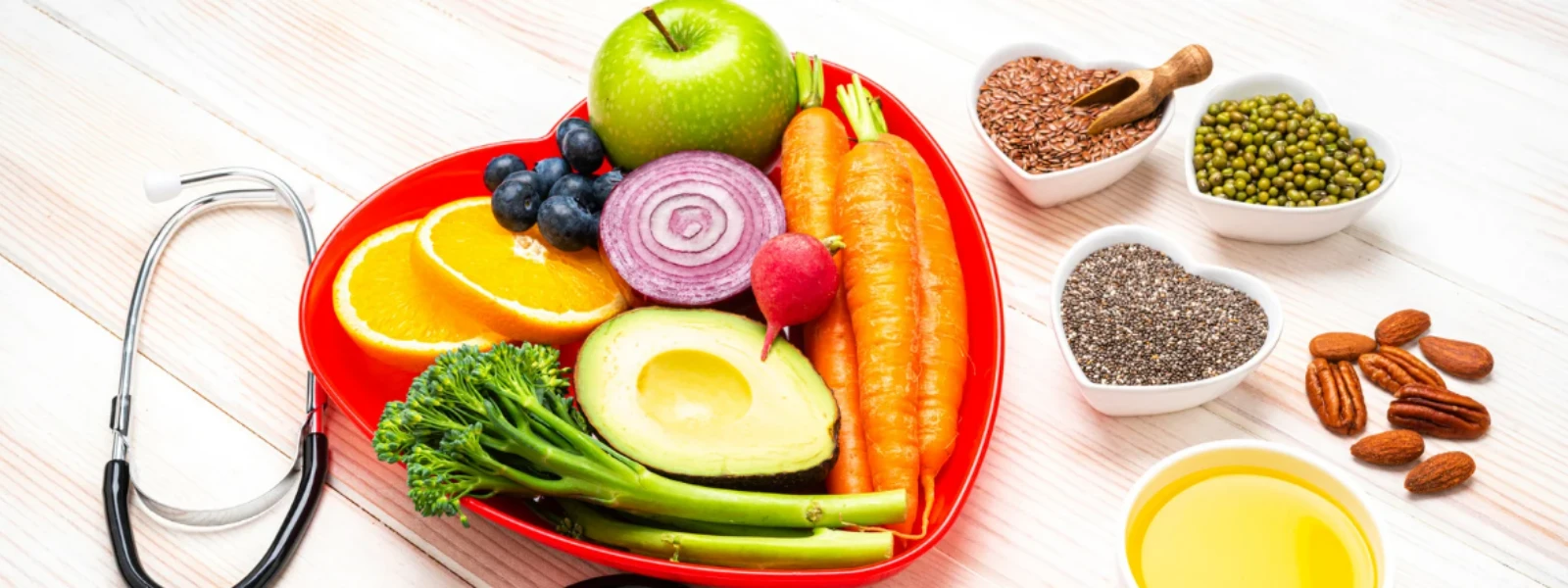


Plant-based protein has become a cornerstone of modern nutrition, with more people recognizing that powerful nutrition doesn't always come from animal sources. Among the most overlooked yet potent sources are high protein seeds – tiny nutritional powerhouses that pack an impressive protein punch alongside essential vitamins, minerals, and healthy fats. These versatile ingredients offer a convenient way to boost your daily protein intake while supporting overall health and wellness goals.
Whether you're an athlete looking to optimize performance, someone following a plant-based lifestyle, or simply wanting to diversify your protein sources, understanding how to incorporate high protein seeds into your daily routine can transform your nutritional profile. These nutrient-dense options provide complete amino acid profiles, support muscle recovery, and offer sustained energy throughout the day.
Seeds represent one of nature's most concentrated sources of nutrition. Unlike many plant-based protein sources, several varieties of high protein seeds contain complete amino acid profiles, making them comparable to traditional animal proteins. The protein content in seeds typically ranges from 15-30% by weight, with some varieties offering even higher concentrations.
What makes seeds particularly valuable as protein sources is their bioavailability. The protein in seeds is easily digestible and readily absorbed by the body, making them excellent options for pre and post-workout nutrition. Additionally, seeds provide the added benefit of healthy fats, fiber, and micronutrients that support overall health beyond just protein needs.
The quality of protein in seeds is measured by their amino acid composition. Essential amino acids cannot be produced by the human body and must be obtained through diet. Many high protein seeds contain all nine essential amino acids, earning them the designation of "complete proteins." This makes them particularly valuable for individuals following plant-based diets or those looking to reduce their reliance on animal protein sources.
Research shows that plant-based proteins, including those from seeds, can effectively support muscle protein synthesis when consumed in adequate amounts. The key is understanding how to combine different seed varieties to maximize their nutritional benefits and ensure optimal protein intake throughout the day.
Not all seeds are created equal when it comes to protein content. Understanding which varieties offer the highest protein concentrations and best nutritional profiles can help you make informed choices about incorporating them into your diet.
Hemp seeds stand out as one of the most impressive high protein seeds available. With approximately 10 grams of protein per 3-tablespoon serving, hemp seeds provide all essential amino acids in optimal ratios. Their protein content is highly digestible, with studies showing absorption rates comparable to whey protein.
Beyond protein, hemp seeds offer an ideal balance of omega-3 and omega-6 fatty acids, supporting cardiovascular health and reducing inflammation. Their mild, nutty flavor makes them easy to incorporate into various dishes without overwhelming other flavors.
Pumpkin seeds deliver about 9 grams of protein per ounce while providing exceptional levels of magnesium, zinc, and iron. These minerals are crucial for muscle function, immune support, and energy metabolism. The protein in pumpkin seeds is particularly rich in arginine, an amino acid that supports cardiovascular health and muscle growth.
The versatility of pumpkin seeds makes them excellent high protein snacks. They can be eaten raw, roasted, or ground into powder for easy incorporation into smoothies and baked goods.
Chia seeds provide approximately 5 grams of protein per ounce, along with an impressive fiber content that supports digestive health and satiety. Their unique ability to absorb liquid and form a gel-like consistency makes them ideal for creating high protein vegan foods like puddings and overnight oats.
The combination of protein, fiber, and omega-3 fatty acids in chia seeds supports sustained energy release, making them excellent for endurance activities and weight management goals.
Sunflower seeds offer about 6 grams of protein per ounce and are widely available and affordable. They're rich in Vitamin E, selenium, and magnesium, supporting antioxidant activity and muscle function. Their familiar taste and crunchy texture make them one of the easiest high protein seeds to incorporate into daily eating habits.
Ground flax seeds provide approximately 5 grams of protein per ounce, along with exceptional fiber content and alpha-linolenic acid (ALA), a plant-based omega-3 fatty acid. The lignans in flax seeds offer additional health benefits, including hormonal balance support.
For optimal nutrient absorption, flax seeds should be ground before consumption, as whole seeds may pass through the digestive system undigested.
Sesame seeds and tahini (sesame seed paste) provide about 5 grams of protein per ounce. They're exceptionally rich in calcium, magnesium, and healthy fats. The protein in sesame seeds complements other plant proteins well, making them valuable additions to nutritious seed varieties mixes.
Did You Know?
Combining different high protein seeds throughout the day can provide a more complete amino acid profile than relying on a single source. A high protein seed mix containing hemp, pumpkin, and chia seeds can deliver up to 15 grams of complete protein per serving while providing a diverse range of vitamins, minerals, and healthy fats.
Successfully integrating high protein seeds into your daily routine requires understanding the most effective preparation and consumption methods. The key is finding approaches that fit seamlessly into your existing eating patterns while maximizing nutritional benefits.
Smoothies offer one of the simplest ways to consume multiple high protein seeds simultaneously. Adding 2-3 tablespoons of mixed seeds to your morning smoothie can provide 8-12 grams of additional protein without significantly altering taste or texture. Hemp seeds blend particularly well due to their mild flavor, while chia seeds add thickness and help create a more satisfying texture.
For optimal results, pre-soak chia seeds for 10-15 minutes before blending to ensure even distribution and prevent clumping. This technique also enhances the bioavailability of nutrients and creates a smoother final texture.
Incorporating seeds into baked goods and cooked meals represents an excellent strategy for increasing daily protein intake. Ground flax seeds can replace eggs in vegan baking while adding protein and omega-3 fatty acids. Pumpkin seeds work well as crunchy toppings for salads, soups, and grain bowls.
When baking with high protein seeds, consider their fat content and adjust other ingredients accordingly. Seeds can partially replace nuts or add texture to muffins, breads, and energy bars without compromising taste or structure.
The timing of seed consumption can optimize their benefits for athletic performance and recovery. Consuming easily digestible seeds like hemp or sunflower seeds 30-60 minutes before exercise provides readily available amino acids for muscle function.
Post-workout, combining high protein seeds with carbohydrates enhances muscle protein synthesis and glycogen replenishment. A smoothie containing chia seeds, hemp seeds, and fruit creates an ideal recovery meal that supports both immediate and long-term training adaptations.
Practical application of high protein seeds requires recipes that are both nutritious and enjoyable. These meal ideas demonstrate how to seamlessly integrate seeds into breakfast, lunch, dinner, and snack options.
Starting your day with high protein seeds sets a strong nutritional foundation. Overnight oats combined with chia seeds, hemp hearts, and ground flax creates a protein-rich breakfast that requires minimal morning preparation. Mix 1/2 cup oats with 2 tablespoons each of chia and hemp seeds, add liquid of choice, and refrigerate overnight.
Smoothie bowls topped with a high protein seed mix provide both visual appeal and nutritional density. Blend frozen fruits with a protein base, then top with a mixture of pumpkin seeds, sunflower seeds, and hemp hearts for added crunch and protein.
Salads benefit significantly from seed additions, both nutritionally and texturally. A sprinkle of toasted pumpkin seeds or sunflower seeds adds protein while creating satisfying contrast to leafy greens. For heartier meals, seed-crusted proteins using ground flax and sesame seeds create flavorful, nutrient-dense coatings.
Grain bowls represent excellent vehicles for multiple seed varieties. Quinoa topped with hemp seeds, roasted vegetables, and tahini dressing creates a complete meal rich in plant-based protein sources and essential nutrients.
High protein seed-based snacks provide sustained energy between meals. Homemade energy balls combining dates, ground flax, hemp seeds, and nut butter offer portable nutrition for busy schedules. Trail mixes featuring various nutritious seed varieties alongside dried fruits create balanced, satisfying snacks.
For convenient high protein snacks, pre-portion seed mixtures into small containers. A combination of pumpkin seeds, sunflower seeds, and hemp hearts provides approximately 8-10 grams of protein per 2-tablespoon serving.
Understanding how high protein seeds support athletic performance and overall health goals helps optimize their use in your nutrition plan. The unique nutritional profiles of seeds offer advantages beyond basic protein content.
The amino acid profiles in high protein seeds support muscle protein synthesis, particularly when consumed consistently throughout the day. The leucine content in hemp and pumpkin seeds specifically triggers muscle-building pathways, making them valuable for recovery nutrition.
Anti-inflammatory compounds in seeds, particularly omega-3 fatty acids from chia and flax seeds, may help reduce exercise-induced inflammation and support faster recovery between training sessions.
The combination of protein, healthy fats, and fiber in seeds provides sustained energy release, avoiding the blood sugar spikes associated with refined carbohydrates. This makes seeds excellent choices for maintaining energy levels during long training sessions or busy work days.
The magnesium content in pumpkin and hemp seeds supports energy metabolism at the cellular level, helping convert nutrients into usable energy more efficiently.
Successfully incorporating high protein seeds into your diet requires understanding proper storage, preparation, and consumption guidelines to maximize their nutritional benefits and safety.
High protein seeds contain healthy fats that can become rancid if not stored properly. Keep seeds in airtight containers in cool, dark places, and consider refrigeration for longer-term storage. Ground seeds have shorter shelf lives than whole seeds and should be used within a few weeks of grinding.
Purchase seeds from reputable sources and check expiration dates regularly. Fresh seeds should have neutral or pleasant odors – any bitter or off smells indicate spoilage.
Some seeds benefit from specific preparation methods to enhance nutrient absorption. Soaking chia seeds improves digestibility and creates better texture in recipes. Lightly toasting pumpkin and sunflower seeds enhances flavor while maintaining nutritional value.
Grinding flax seeds immediately before consumption ensures maximum nutrient availability, as pre-ground varieties may lose nutritional potency over time.
While high protein seeds are nutritious, moderation is important. A daily intake of 2-4 tablespoons of mixed seeds provides significant protein and nutrients without excessive calories. Individuals with specific health conditions or dietary restrictions should consult healthcare providers before making significant changes to their diets.
Start with smaller amounts and gradually increase intake to allow your digestive system to adapt to the increased fiber content in many high protein seeds.
Hemp seeds contain the highest protein content among commonly available seeds, providing approximately 10 grams per 3-tablespoon serving. Pumpkin seeds follow closely with about 9 grams per ounce, while chia, flax, sunflower, and sesame seeds typically provide 5-6 grams per ounce.
While high protein seeds are excellent protein sources, completely replacing meat requires careful planning to ensure adequate total protein intake and essential nutrient balance. Seeds work best as part of a diverse diet that includes multiple plant-based protein sources like legumes, grains, and vegetables to meet all nutritional needs.
Protein needs vary based on individual factors including body weight, activity level, and goals. Generally, 1.6-2.2 grams of protein per kilogram of body weight supports muscle building. Seeds can contribute 15-25% of daily protein needs when consumed as part of a balanced diet that includes other protein sources.
Consuming seeds throughout the day rather than in one large serving optimizes protein absorption. Combining seeds with Vitamin C-rich foods enhances mineral absorption, while pairing them with healthy fats improves absorption of fat-soluble vitamins. Chewing seeds thoroughly or choosing ground varieties also improves digestibility.
Consuming excessive amounts of seeds may cause digestive discomfort due to their high fiber content. Some individuals may experience allergic reactions to specific seed varieties. Starting with small portions and gradually increasing intake allows your digestive system to adapt. People with seed allergies or digestive conditions should consult healthcare providers before adding significant amounts to their diets.
High protein seeds represent one of nature's most efficient and versatile protein sources, offering complete amino acid profiles alongside essential vitamins, minerals, and healthy fats. From hemp seeds' complete protein content to chia seeds' omega-3 richness, these nutritional powerhouses provide multiple pathways to enhance your daily nutrition. The key to success lies in understanding each variety's unique benefits and finding creative, sustainable ways to incorporate them into your existing meal patterns. Whether you're seeking to boost athletic performance, support muscle recovery, or simply diversify your protein sources, high protein seeds offer practical solutions that align with modern nutritional science and lifestyle demands. Start with small additions to familiar foods, experiment with different combinations, and gradually build a seed-enhanced diet that supports your health and wellness goals.



