How to Maximize Oats Protein per 100g for Optimal Nutrition
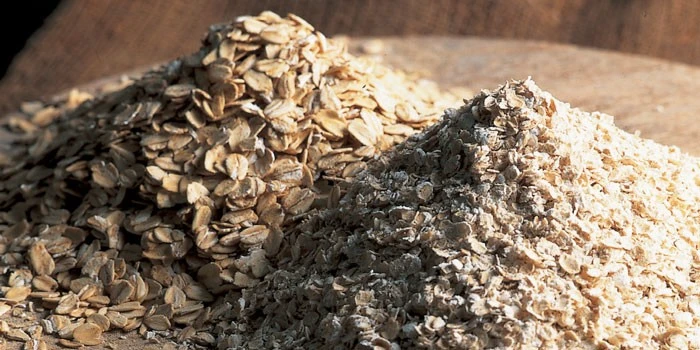


Oats have earned their reputation as a nutritional powerhouse, delivering impressive amounts of protein alongside essential vitamins and minerals. For health-conscious individuals seeking to optimize their nutrition, understanding the oats PRotein PEr 100g becomes crucial for meal planning and fitness goals. This comprehensive guide explores how to maximize the protein benefits from oats while understanding their complete nutritional profile.
The protein content in oats makes them an excellent choice for athletes, fitness enthusiasts, and anyone looking to increase their daily protein intake through wholesome, plant-based sources. By understanding the science behind oat protein and implementing strategic preparation methods, you can significantly enhance the nutritional value of this versatile grain.
The oats protein per 100g typically ranges between 13.5 to 16.9 grams, making oats one of the highest protein grains available. This protein content varies depending on the variety and processing method of the oats.
Oat protein stands out among grains due to its unique composition. The primary protein in oats is called avenalin, which constitutes about 80% of the total protein content. This globulin protein provides excellent nutritional value and digestibility compared to proteins found in other cereals.
The remaining 20% consists of prolamin proteins, which contribute to the overall amino acid profile. This combination creates a well-balanced protein source that supports various bodily functions, from muscle maintenance to immune system support.
When examining oats nutrition facts against other common grains, oats consistently rank highest in protein content. Rice contains approximately 7 grams of protein per 100g, while wheat provides around 13 grams. This makes oats a superior choice for individuals prioritizing protein intake through grain consumption.
Did You Know?
Oats contain all nine essential AmIno aciDS, though they are not considered a complete protein due to lower lysine content. However, combining oats with complementary proteins can create a complete amino acid profile.
The oats protein sources within the grain are distributed throughout different parts. The protein concentration is highest in the outer layers, which explains why less processed oats like steel-cut varieties often contain slightly more protein than instant oats.
The oats protein composition includes significant amounts of essential AmIno aciDS. Oats are particularly rich in methionine, an amino acid often limited in other plant proteins. They also provide substantial amounts of threonine, valine, and isoleucine, which are crucial for muscle protein synthesis.
While oats contain lower levels of lysine compared to animal proteins, they compensate with higher levels of other amino acids. This makes them an excellent component of a varied diet that includes multiple protein sources.
The biological value of oat protein measures how efficiently the body can utilize it for protein synthesis. Oat protein has a biological value of approximately 80-85%, which is higher than most plant proteins and comparable to some animal proteins.
Different processing methods affect the oats protein content per serving:
Steel-cut oats: Retain the highest protein concentration due to minimal processing, typically containing 16-17g per 100g.
Rolled oats: Maintain good protein levels at approximately 13-15g per 100g, with excellent digestibility.
Instant oats: May have slightly lower protein content due to processing, usually containing 12-14g per 100g.
A standard serving of oats (40-50g dry weight) provides approximately 5-8g of protein. To maximize oats protein per 100g benefits, consider larger serving sizes when your daily protein goals require it, typically 80-100g dry weight for active individuals.
Several preparation techniques can enhance the protein content and absorption of oats:
Overnight soaking: Soaking oats overnight can improve protein digestibility by breaking down anti-nutritional factors that may interfere with protein absorption.
Cooking with protein-rich liquids: Prepare oats with milk, plant-based milk fortified with protein, or bone broth to significantly increase the total protein content per serving.
Adding complementary proteins: Combine oats with nuts, seeds, or protein powder to create a complete amino acid profile and boost overall protein content.
Strategic combinations can dramatically increase the protein value of oat-based meals:
Greek yogurt and berries: Adding 150g of Greek yogurt increases protein content by 15-20g while providing probiotics and additional nutrients.
Nut butter and seeds: Two tablespoons of almond butter add approximately 8g of protein, while chia seeds contribute another 3g per tablespoon.
Protein powder integration: Adding a scoop of high-quality protein powder can increase total protein content by 20-25g per serving.
Understanding how oats protein profile compares to other common protein sources helps in meal planning:
Chicken breast provides approximately 23g protein per 100g, while oats offer 13-17g. However, oats provide additional benefits including fiber, complex carbohydrates, and essential minerals that animal proteins lack.
Compared to other plant proteins, quinoa contains about 14g per 100g, making oats comparable while offering different nutritional advantages such as beta-glucan fiber and unique antioxidants.
The complete oats nutrition facts reveal a well-balanced macronutrient profile. Beyond protein, 100g of oats provides approximately 66g of carbohydrates and 6g of healthy fats, creating an ideal ratio for sustained energy and satiety.
For vegetarians and vegans, oats serve as an excellent protein source that complements other plant proteins. The oats protein types work synergistically with legumes, nuts, and seeds to provide complete amino acid profiles throughout the day.
The oats protein benefits extend beyond basic nutrition to support athletic performance and recovery. The combination of protein and complex carbohydrates in oats provides an ideal foundation for muscle protein synthesis and glycogen replenishment.
Pre-workout consumption: Consuming oats 1-2 hours before exercise provides sustained energy through complex carbohydrates while the protein helps prevent muscle breakdown during training.
Post-workout recovery: The protein in oats supports muscle repair when consumed within the post-exercise recovery window, especially when combined with additional protein sources.
The oats protein for athletes provides sustained amino acid release, supporting endurance activities and preventing muscle catabolism during extended training sessions. The beta-glucan fiber in oats also helps maintain stable blood sugar levels, crucial for sustained performance.
Some oat varieties naturally contain higher protein levels. Hull-less oats and certain heritage varieties can provide up to 18-20g protein per 100g. Seeking out these specific varieties can maximize protein intake for those with higher requirements.
Several methods can enhance the oats protein structure and content:
Sprouting: Germinating oats for 24-48 hours can increase protein content by 15-20% while improving digestibility and nutrient availability.
Fermentation: Fermenting oats through traditional methods can enhance protein quality and create beneficial compounds that support protein absorption.
For individuals with specific protein requirements, combining oats with targeted supplementation can optimize results. High-quality protein supplements can complement the natural oats protein breakdown to support specific fitness or health goals.
Oats typically contain between 13.5 to 16.9 grams of protein per 100g, depending on the variety and processing method. Steel-cut oats generally have the highest protein content, while instant oats may have slightly lower levels due to processing.
Yes, consuming 100g of oats daily is generally safe and beneficial for most people. This amount provides approximately 13-17g of protein along with essential fiber, vitamins, and minerals. However, individuals with specific dietary restrictions or digestive sensitivities should consult with a healthcare provider.
Oats are moderate in protein content compared to dedicated protein sources but high relative to other grains. They contain approximately 13-17g protein and 6g fat per 100g, making them a balanced source of both macronutrients with protein being the more prominent component.
The most effective ways to increase protein in oats include adding Greek yogurt, nut butters, seeds, or protein powder. Preparing oats with protein-rich milk alternatives and combining them with complementary proteins like nuts or legumes can significantly boost the total protein content per serving.
Yes, different processing methods affect protein content. Steel-cut oats typically have the highest protein concentration, followed by rolled oats, then instant oats. The difference is usually 2-4g per 100g, with less processed varieties retaining more of their natural protein content.
Understanding and maximizing oats protein per 100g opens up numerous possibilities for enhancing your nutritional intake through this versatile grain. With 13-17g of high-quality protein per 100g, oats provide an excellent foundation for meeting daily protein requirements while delivering additional health benefits through fiber, vitamins, and minerals. By implementing strategic preparation methods, choosing optimal varieties, and combining oats with complementary proteins, you can significantly enhance their nutritional value. Whether you're an athlete seeking performance nutrition or someone looking to increase plant-based protein intake, oats offer a scientifically-backed solution for optimal nutrition. Explore how incorporating properly prepared oats into your daily routine can support your health and fitness goals while providing sustained energy and essential nutrients your body needs to thrive.



