How to Maximize Protein from Peanuts: Nutrition & Benefits
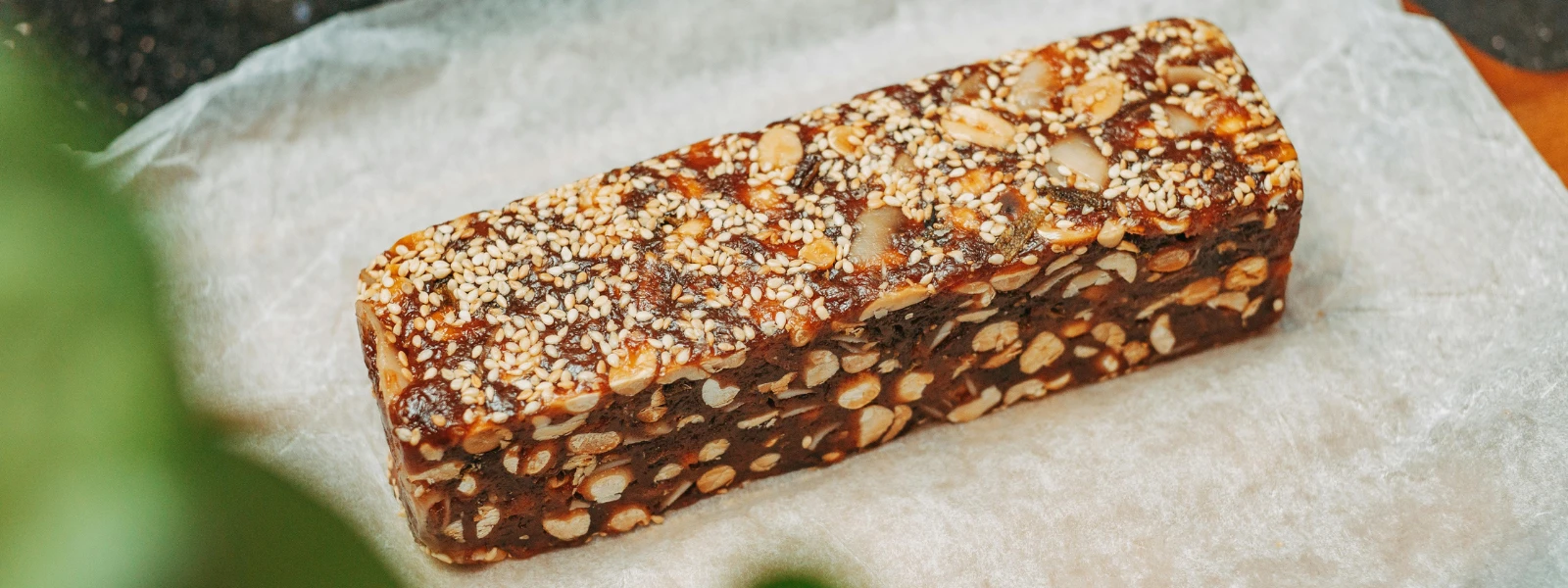


Peanuts pack a powerful protein punch that many people overlook. These humble legumes contain impressive amounts of high-quality protein that can fuel your fitness goals and support overall health. Whether you're an athlete looking to build muscle or someone seeking plant-based protein sources, understanding how to maximize protein from peanuts can transform your nutrition strategy.
This comprehensive guide explores the science behind peanut protein content, its nutritional benefits, and practical ways to incorporate this versatile protein source into your daily routine. You'll discover how peanut protein compares to other sources and learn specific strategies to optimize your intake for better results.
Peanuts deliver substantial protein content that rivals many traditional protein sources. A 100-gram serving of raw peanuts contains approximately 25.8 grams of protein, making up about 22-30% of their total caloric content. This impressive protein density places peanuts among the top plant-based protein sources available.
Understanding peanut protein content across different serving sizes helps you plan your intake effectively. A standard one-ounce serving (about 28 peanuts) provides roughly 7 grams of protein. A quarter-cup serving delivers about 9 grams, while a half-cup contains approximately 18 grams of protein.
The protein composition in peanuts includes all essential amino acids, though some are present in lower concentrations compared to animal proteins. Arginine, one of the most abundant amino acids in peanuts, supports muscle function and blood flow. Leucine, crucial for muscle protein synthesis, is also well-represented in peanut protein composition.
When comparing peanut protein nutrition to other plant-based sources, peanuts hold their own remarkably well. They contain more protein per serving than most nuts and seeds, including almonds (21g per 100g) and walnuts (15g per 100g). However, legumes like lentils and chickpeas provide slightly higher protein concentrations.
Did You Know?
Peanuts are technically legumes, not nuts, which explains their higher protein content compared to tree nuts. This classification puts them in the same family as beans and lentils, known for their protein-rich profiles.
The benefits of peanut protein extend far beyond basic muscle building. Research shows that plant-based proteins like those found in peanuts offer unique advantages for athletic performance and overall health.
Peanut protein benefits include excellent support for muscle recovery after exercise. The amino acid profile in peanuts provides the building blocks necessary for muscle protein synthesis, though the leucine content is slightly lower than whey protein. This difference doesn't significantly impact muscle-building potential when total protein intake meets daily requirements.
Studies indicate that plant-based proteins can be just as effective as animal proteins for muscle growth when consumed in adequate amounts. The key lies in combining different protein sources throughout the day to ensure complete amino acid coverage.
When examining peanut protein vs whey, several factors come into play. Whey protein offers faster absorption and higher leucine content, making it popular for post-workout nutrition. However, peanut protein provides sustained amino acid release, better digestive tolerance for some individuals, and additional nutrients like healthy fats and fiber.
Peanut protein also contains bioactive compounds that whey lacks, including resveratrol and other antioxidants that support recovery and reduce inflammation. These compounds work synergistically with protein to enhance overall nutritional benefits.
Maximizing protein from peanuts requires strategic planning based on your specific nutritional needs and fitness goals. The recommended daily protein intake varies from 0.8 grams per kilogram of body weight for sedentary individuals to 2.2 grams per kilogram for strength athletes.
Different peanut preparations offer varying protein concentrations. Raw peanuts provide the highest protein density at 25.8g per 100g. Roasted peanuts contain slightly less at 23.7g due to moisture loss during cooking. Natural peanut butter delivers about 25g of protein per 100g, while commercial varieties may contain less due to added oils and sugars.
Peanut protein powder represents the most concentrated form, typically containing 50-60g of protein per 100g serving. This makes peanut protein supplement options particularly valuable for athletes with high protein requirements or those following plant-based diets.
For optimal results, distribute peanut protein intake throughout the day rather than consuming large amounts in single servings. A 2-tablespoon serving of peanut butter provides about 8 grams of protein, making it an excellent addition to breakfast or post-workout snacks.
Athletes can benefit from consuming 20-30 grams of peanuts (providing 5-7g protein) as part of pre-workout nutrition, combined with carbohydrates for sustained energy. Post-workout, peanut protein powder can be blended with other protein sources to create a complete amino acid profile.
Peanut protein for athletes offers unique advantages that complement intensive training regimens. The sustained amino acid release from peanut protein makes it particularly valuable for endurance activities and recovery periods.
Research demonstrates that peanut protein source can effectively support muscle protein synthesis when consumed as part of a complete nutrition plan. The combination of protein, healthy fats, and micronutrients in peanuts provides comprehensive support for strength development.
For muscle building, timing becomes crucial. Consuming peanut protein within 2 hours post-exercise maximizes its muscle-building potential. Combining peanuts with complementary proteins like rice or hemp can create a more complete amino acid profile similar to animal proteins.
Peanut protein in sports nutrition serves dual purposes, providing both protein for muscle maintenance and healthy fats for sustained energy. The monounsaturated fats in peanuts help maintain stable blood sugar levels during extended training sessions.
Endurance athletes particularly benefit from peanut protein's slower digestion rate, which provides steady amino acid availability during long training sessions or competitions. This sustained release helps prevent muscle breakdown during extended exercise periods.
While protein content remains the primary focus, peanuts offer numerous additional health benefits that enhance their nutritional value. These legumes contain heart-healthy monounsaturated fats, fiber, and essential micronutrients that support overall wellness.
Peanuts provide significant amounts of niacin (Vitamin B3), folate, and magnesium alongside their protein content. Niacin supports energy metabolism and muscle function, while folate aids in protein synthesis and red blood cell formation. Magnesium plays crucial roles in muscle contraction and protein metabolism.
The antioxidant content in peanuts, including Vitamin E and resveratrol, helps combat exercise-induced oxidative stress. These compounds work synergistically with protein to support recovery and reduce inflammation following intense training.
Regular consumption of peanut protein as part of a balanced diet associates with improved cardiovascular health markers and better weight management. The combination of protein, fiber, and healthy fats promotes satiety and helps maintain stable blood sugar levels.
Studies suggest that individuals who regularly consume peanuts and peanut products have lower risks of developing certain chronic diseases, partly due to their beneficial nutrient profile and protein quality.
Successfully incorporating peanut protein into your nutrition plan requires practical, sustainable approaches that fit your lifestyle and preferences. Simple modifications to existing meals can significantly boost your daily protein intake.
Blend peanut protein powder into smoothies with fruits and vegetables for a complete meal replacement. Add crushed peanuts to yogurt, oatmeal, or salads for extra protein and texture. Create homemade energy balls using peanut butter, oats, and seeds for convenient on-the-go protein snacks.
For athletes requiring higher protein intake, peanut butter can be incorporated into protein pancakes, added to post-workout shakes, or used as a base for protein-rich sauces and dressings.
Peanut protein supplements offer convenience for individuals with high protein requirements or limited time for meal preparation. Choose products with minimal additives and verify third-party testing for purity and quality.
When using peanut protein powder, start with smaller amounts to assess tolerance, as some individuals may experience digestive sensitivity. Gradually increase intake while monitoring how your body responds to optimize benefits.
Twenty roasted peanuts contain approximately 5 grams of protein. This serving size weighs about 20 grams and provides a convenient snack-sized portion that contributes meaningfully to daily protein goals.
Yes, 50 peanuts daily is generally safe for most people and provides about 12-13 grams of protein. However, this amount also delivers around 300 calories, so consider your overall caloric needs and dietary goals when determining appropriate intake levels.
Peanuts are an excellent protein source, particularly for plant-based diets. They provide all essential amino acids, though in varying amounts, and offer additional nutrients like healthy fats, fiber, and vitamins that support overall health and athletic performance.
The best approach involves spreading peanut protein intake throughout the day using various forms like whole peanuts, natural peanut butter, and protein powder. Combine with complementary proteins and consume around workout times for optimal muscle-building benefits.
Peanut protein offers competitive protein content compared to other plant sources, with the added benefit of healthy fats and sustained amino acid release. While it may have lower leucine content than some animal proteins, it provides excellent overall nutritional value for muscle building and recovery.
Peanut protein represents a versatile, accessible, and highly beneficial protein source that can significantly enhance your nutrition strategy. With approximately 26 grams of protein per 100 grams, peanuts provide substantial protein density alongside valuable nutrients like healthy fats, fiber, and essential vitamins and minerals. Understanding how to maximize protein from peanuts through strategic timing, proper serving sizes, and varied consumption methods empowers you to meet your fitness and health goals effectively. Whether you choose whole peanuts, natural peanut butter, or concentrated protein powders, incorporating this powerful legume into your daily routine can support muscle building, enhance recovery, and contribute to long-term wellness. Consider exploring high-quality protein supplements and nutrition products that complement your peanut protein intake for comprehensive nutritional support.



