How to Use Creatine Powder for Maximum Benefits
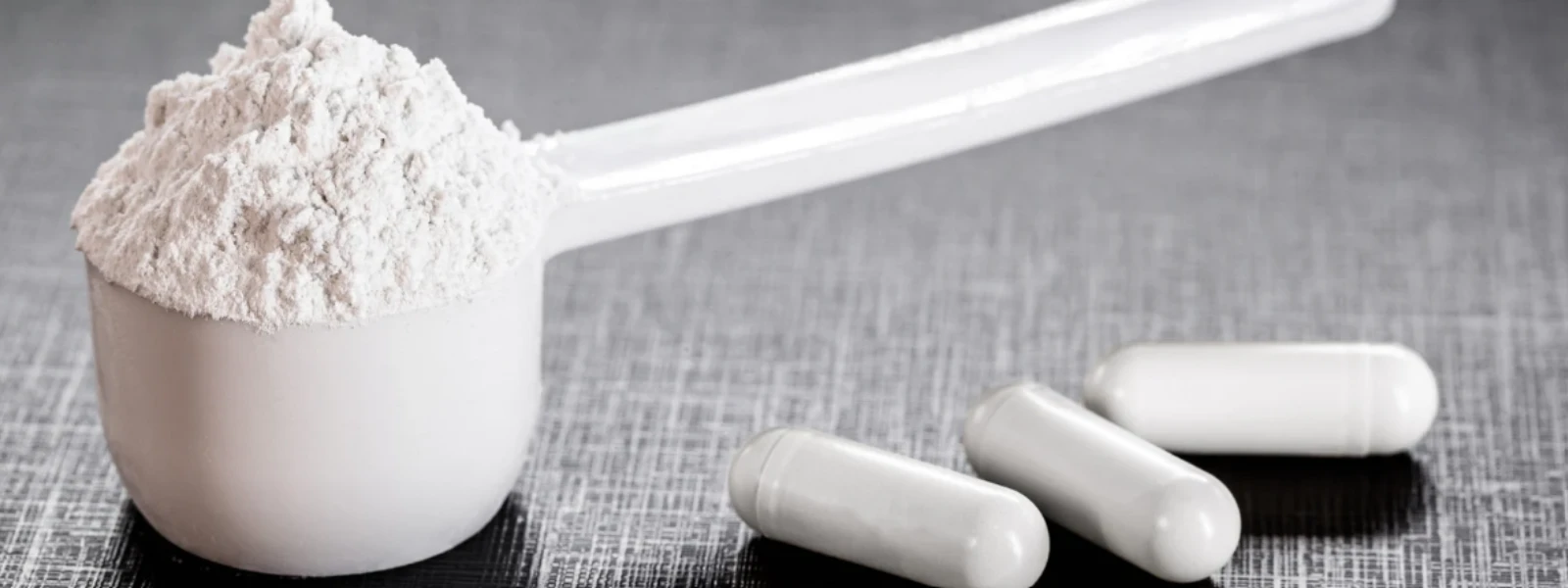


Your muscles are capable of incredible things, but they need the right fuel to perform at their peak. Creatine powder has become one of the most researched and effective supplements for enhancing athletic performance and supporting muscle growth. Whether you're lifting weights, sprinting, or pushing through high-intensity workouts, understanding how to use creatine powder properly can make a significant difference in your results.
This guide will walk you through everything you need to know about maximizing the benefits of your creatine supplement, from proper dosing to timing strategies that work.
Creatine monohydrate is the most studied and widely used form of creatine supplement. It's a naturally occurring compound found in small amounts in certain foods like red meat and fish. Your body also produces creatine in your liver, kidneys, and pancreas.
When you consume creatine powder, it gets stored in your muscles as phosphocreatine. This stored energy becomes crucial during short bursts of high-intensity exercise, helping your muscles produce energy more quickly.
Your muscles use adenosine triphosphate (ATP) for energy. During intense exercise, ATP gets broken down rapidly, and your body needs to regenerate it quickly to maintain performance. Creatine helps replenish ATP faster, allowing you to maintain power output for longer periods.
This process is particularly beneficial for activities that require quick, explosive movements like weightlifting, sprinting, or jumping. The faster ATP regeneration means you can perform more reps, lift heavier weights, or maintain intensity for longer durations.
While several forms of creatine exist, creatine monohydrate remains the gold standard. Other forms include creatine hydrochloride, creatine ethyl ester, and buffered creatine, but research consistently shows that creatine monohydrate is the most effective and cost-efficient option.
Research shows that creatine supplementation can increase strength by 5-15% and power output by up to 30%. This improvement comes from enhanced ATP regeneration, allowing your muscles to work harder during training sessions.
Creatine benefits extend beyond immediate performance improvements. By enabling you to train harder and longer, creatine indirectly supports muscle growth. It also helps increase muscle cell volume by drawing water into muscle cells, creating an environment that promotes protein synthesis.
Studies demonstrate that creatine is particularly effective for high-intensity, short-duration activities. Athletes often see improvements in their ability to perform repeated bouts of intense exercise with shorter recovery periods between sets.
Creatine may help reduce muscle cell damage and inflammation following intense exercise. This can lead to faster recovery times and reduced muscle soreness, allowing for more frequent training sessions.
Did You Know?
Your muscles can only store a limited amount of creatine, which is why consistent supplementation is more effective than sporadic use. Once your muscle creatine stores are saturated, they stay elevated as long as you maintain regular intake.
Emerging research suggests that creatine might support brain function, particularly during mentally demanding tasks or periods of sleep deprivation. Your brain also uses creatine for energy production, though more research is needed to fully understand these cognitive benefits.
The most common approach involves two phases: loading and maintenance. However, you can also skip the loading phase and go straight to maintenance dosing.
For general guidelines, most research supports 3-5 grams daily during the maintenance phase. Your body weight can influence the optimal dose - a 70 kg person typically benefits from 3-4 grams daily, while heavier individuals might need closer to 5 grams.
Creatine loading involves taking higher doses for the first 5-7 days to quickly saturate your muscle stores. During this phase, take 20 grams daily, divided into 4 doses of 5 grams each, spread throughout the day.
Loading can help you see benefits faster, typically within a week rather than 3-4 weeks with regular dosing. However, some people experience digestive discomfort during loading, so it's not necessary if you prefer a gentler approach.
After loading (or if you skip loading), maintain muscle creatine stores with 3-5 grams daily. This amount is sufficient to keep your stores saturated and maintain the performance benefits.
Timing isn't as critical as consistency, but some evidence suggests taking creatine after workouts might be slightly more beneficial than before. The most important factor is taking it daily, regardless of whether you're training that day.
Many people find it convenient to mix creatine powder with their post-workout drink or take it with a meal to minimize any potential stomach upset.
Creatine cycling refers to alternating periods of supplementation with periods of abstinence. Some people believe this prevents your body from becoming "dependent" on external creatine or helps maintain effectiveness.
Research doesn't support the need for creatine cycling. Your body's natural creatine production doesn't significantly decrease with supplementation, and there's no evidence that cycling improves long-term benefits or prevents tolerance.
Continuous use appears safe and more effective than cycling. When you stop taking creatine, your muscle stores return to baseline levels within several weeks, eliminating the benefits you've built up.
Most people tolerate creatine well, but some may experience digestive issues, particularly during loading phases. Water retention is normal and beneficial - it's part of how creatine works to improve performance.
Some individuals report cramping or bloating, usually when taking large doses on an empty stomach or without adequate hydration.
People with kidney disease should consult healthcare providers before using creatine supplements. While research shows creatine is safe for healthy individuals, those with pre-existing kidney conditions need medical guidance.
Since creatine draws water into muscle cells, maintaining adequate hydration becomes even more important. Aim for at least 2-3 liters of water daily when using creatine, more if you're active or live in a hot climate.
Creatine works well with other performance supplements. Taking it with carbohydrates may improve uptake into muscles. It also pairs effectively with protein supplements for muscle building goals.
Creatine for athletes is most beneficial in sports requiring repeated high-intensity efforts. Weightlifters, sprinters, team sport athletes, and those involved in martial arts typically see the greatest benefits.
Endurance athletes may see smaller benefits, as creatine primarily supports the phosphocreatine energy system used during short, intense efforts rather than prolonged aerobic activity.
Consistency matters more than perfect timing. Whether you train in the morning or evening, the key is taking your daily dose regularly. Some athletes prefer post-workout timing to coincide with their recovery nutrition.
Creatine powder helps increase your muscles' ability to produce energy during high-intensity exercise. It supports strength, power, and muscle growth by enhancing ATP regeneration in muscle cells.
Yes, daily creatine intake is recommended for maintaining elevated muscle creatine stores. Consistent daily use provides better results than sporadic supplementation, regardless of your training schedule.
Research supports the long-term safety of creatine supplementation in healthy individuals. Studies lasting several years show no adverse effects when used at recommended doses with proper hydration.
A general guideline is 0.03-0.07 grams per kilogram of body weight daily. For a 70 kg person, this translates to approximately 3-5 grams daily during the maintenance phase.
Creatine supports muscle growth indirectly by enabling more intense training sessions and potentially increasing muscle cell volume. While it's not a direct muscle-building supplement, it creates conditions that support muscle development when combined with proper training and nutrition.
Using creatine powder effectively comes down to consistency, proper dosing, and adequate hydration. Whether you choose to load or start with maintenance doses, the key is daily supplementation with 3-5 grams of creatine monohydrate. Remember that creatine works best as part of a comprehensive approach to training and nutrition, not as a standalone solution. For optimal results, combine your creatine supplementation with a well-structured training program and balanced nutrition. As with any supplement regimen, consider consulting with a healthcare professional to ensure it aligns with your individual health profile and fitness goals.



