Natural Electrolyte Replenishment: Your Complete Guide
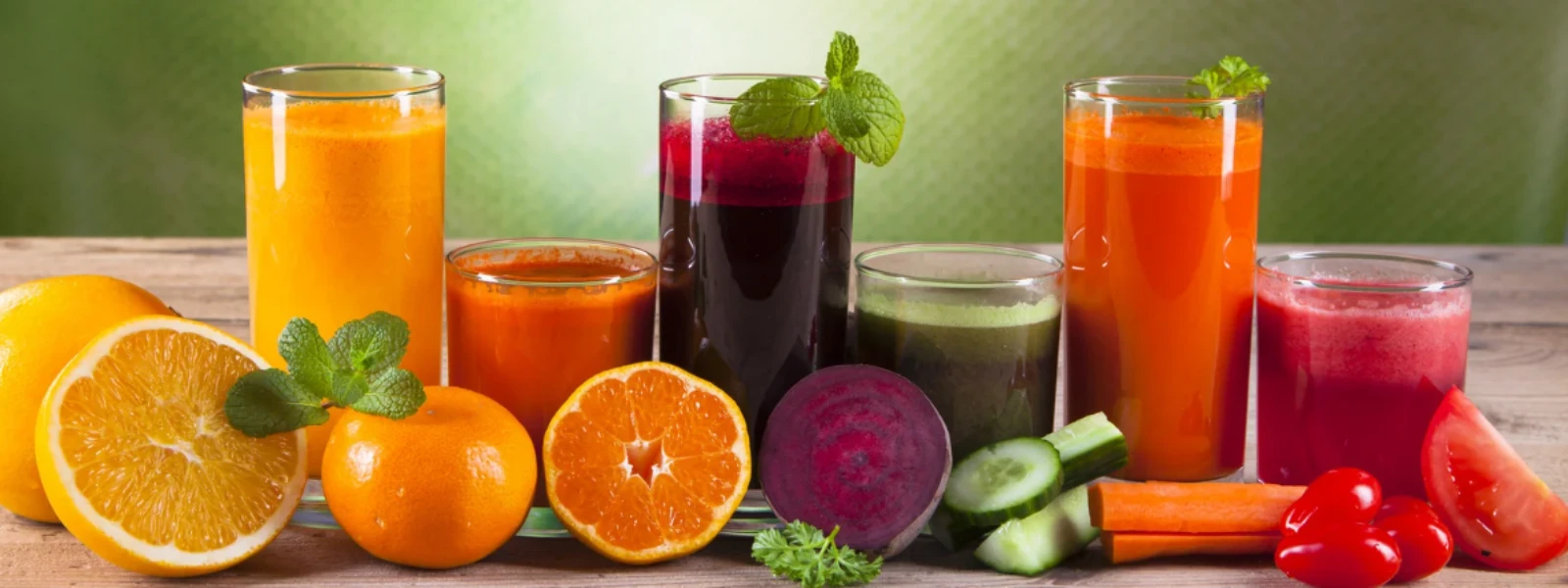


Your body loses essential minerals every day through sweat, breathing, and normal cellular processes. When these electrolytes drop below optimal levels, you might experience fatigue, muscle cramps, or decreased performance. Understanding natural ways to replenish electrolytes can transform your energy levels, athletic performance, and overall well-being without relying on artificial sports drinks loaded with synthetic additives.
This comprehensive guide explores science-backed methods for maintaining optimal electrolyte balance through whole foods, natural beverages, and strategic timing. You'll discover practical solutions for preventing electrolyte imbalance, learn about the most effective natural electrolyte sources, and understand when your body needs these essential minerals most.
Electrolytes are minerals that carry an electric charge when dissolved in body fluids. The primary electrolytes include sodium, potassium, magnesium, calcium, chloride, and phosphate. These minerals regulate fluid balance, muscle contractions, nerve signals, and pH levels throughout your body.
When electrolyte levels become imbalanced, your body sends clear warning signals. Common symptoms include persistent fatigue, muscle weakness, irregular heartbeat, headaches, and difficulty concentrating. More severe electrolyte imbalance can lead to muscle cramps, dizziness, and reduced athletic performance.
Research published in the Journal of the International Society of Sports Nutrition shows that natural electrolyte sources offer superior bioavailability compared to synthetic alternatives. Whole foods contain complementary nutrients that enhance mineral absorption, while processed sports drinks often lack these beneficial compounds.
The benefits of electrolytes extend beyond basic hydration. These minerals support cardiovascular function, maintain bone density, regulate blood pressure, and enable proper muscle recovery after exercise. Natural sources provide these benefits without artificial colors, preservatives, or excessive sugar content found in commercial products.
Nature provides abundant sources of essential electrolytes through everyday foods. Understanding which foods contain specific minerals helps you create targeted nutrition strategies for optimal electrolyte balance.
Bananas contain approximately 420mg of potassium per medium fruit, making them excellent pre-workout snacks. However, coconut water surpasses bananas with 600mg of potassium per cup, plus natural sodium and magnesium. Sweet potatoes, avocados, and white beans provide even higher potassium concentrations for sustained energy support.
While table salt provides sodium, natural sources offer additional minerals. Sea salt contains trace amounts of magnesium and calcium alongside sodium. Celery, olives, and naturally fermented foods like sauerkraut provide sodium with beneficial probiotics and fiber.
Dark leafy greens like spinach and Swiss chard deliver highly absorbable magnesium. Pumpkin seeds contain 150mg of magnesium per ounce, while almonds and cashews provide sustained magnesium release throughout the day. These foods support muscle function and stress reduction.
Did You Know?
Coconut water naturally contains the same five electrolytes found in human blood plasma, making it one of nature's most complete hydration solutions. Studies show it's as effective as sports drinks for post-exercise rehydration.
Beyond dairy products, sesame seeds, tahini, and canned sardines with bones offer excellent calcium sources. Leafy greens like kale and collard greens provide calcium with enhanced absorption due to their Vitamin K content.
Creating homemade electrolyte drinks allows complete control over ingredients while avoiding artificial additives and excessive sugar. These natural alternatives cost significantly less than commercial sports drinks while providing superior nutrition.
Combine one cup coconut water with a pinch of sea salt and fresh lemon juice. This simple mixture provides potassium, sodium, and Vitamin C for enhanced absorption. Add a tablespoon of raw honey for sustained energy during longer workouts.
Mix two cups water with juice from half a lemon, half a lime, and one orange. Add quarter teaspoon sea salt and one tablespoon maple syrup. This combination delivers natural sugars, potassium, and sodium with refreshing flavor.
Brew strong green tea and cool completely. Add coconut water, a pinch of sea salt, and fresh mint leaves. Green tea provides antioxidants that support recovery while maintaining electrolyte balance.
Cost analysis reveals homemade electrolyte drinks cost approximately 25-30% less than commercial alternatives while providing superior ingredient quality and customization options.
Exercise intensity and duration directly correlate with electrolyte loss through sweat. Understanding optimal timing for electrolyte replenishment maximizes recovery and performance gains.
Pre-exercise electrolyte preparation begins 2-3 hours before activity. Consuming electrolyte rich foods like bananas with almond butter or coconut water ensures adequate mineral stores before sweat loss begins.
During extended exercise lasting over 60 minutes, sipping diluted coconut water or homemade electrolyte drinks maintains mineral balance without causing digestive distress. The key is consuming small amounts consistently rather than large quantities at once.
The post-exercise recovery window spans 0-2 hours after activity completion. This period offers maximum absorption potential for electrolyte replenishment. Combining natural electrolyte sources with protein enhances recovery by supporting muscle repair and glycogen restoration.
Research indicates that chocolate milk provides an ideal post-workout combination of electrolytes, protein, and carbohydrates. For dairy-free alternatives, coconut water mixed with plant-based protein powder delivers similar benefits.
Effective rehydration requires more than plain water consumption. Natural dehydration remedies address both fluid and electrolyte needs through strategic food and beverage choices.
Hydration assessment involves monitoring urine color, frequency, and overall energy levels. Pale yellow urine indicates adequate hydration, while dark yellow suggests dehydration requiring immediate attention.
Water-rich foods contribute significantly to daily fluid intake. Watermelon contains 92% water plus natural sugars and potassium. Cucumber provides hydration with minimal calories, while oranges deliver water, Vitamin C, and natural electrolytes.
Environmental factors affect electrolyte needs substantially. Hot weather, high altitude, and air conditioning increase mineral requirements. Travelers should prioritize electrolyte-rich foods and beverages to combat dehydration from climate changes and air travel.
While natural sources provide optimal electrolyte replenishment for most people, certain situations may warrant supplement consideration. Understanding when supplements make sense helps optimize your hydration strategy.
Natural electrolyte sources offer superior bioavailability due to complementary nutrients that enhance absorption. Whole foods provide sustained mineral release, while supplements may cause rapid spikes followed by quick elimination.
Supplement consideration becomes relevant during intense training periods, extended outdoor activities, or medical conditions affecting mineral absorption. However, most active individuals can meet electrolyte needs through strategic food choices and natural beverages.
When choosing supplements, prioritize products with minimal additives and third-party testing. Look for supplements that combine multiple electrolytes rather than single-mineral formulations for balanced replenishment.
Budget-friendly natural options include seasonal fruits, homemade electrolyte drinks, and mineral-rich foods purchased in bulk. These alternatives provide comprehensive nutrition while supporting overall health goals.
Natural electrolytes typically begin working within 15-30 minutes of consumption, similar to supplements. However, natural sources provide more sustained release and better overall absorption due to complementary nutrients found in whole foods.
It's extremely difficult to overconsume electrolytes through natural food sources alone. Your kidneys efficiently regulate mineral levels when consuming whole foods. However, excessive supplement use can lead to imbalances, making natural sources the safer choice for daily consumption.
Coconut water mixed with a pinch of sea salt and fresh citrus juice provides the most comprehensive natural electrolyte profile. This combination delivers all essential minerals in ratios similar to human blood plasma, making it highly effective for athletic performance and recovery.
Signs of balanced electrolytes include consistent energy levels, normal muscle function without cramping, clear thinking, and pale yellow urine. If you experience persistent fatigue, muscle weakness, or irregular heartbeat, consult a healthcare provider for proper assessment.
Yes, natural electrolyte sources from whole foods are safe and beneficial for daily consumption. Unlike synthetic supplements, natural sources provide balanced nutrition without risk of overconsumption. Focus on variety to ensure comprehensive mineral intake.
Natural ways to replenish electrolytes offer superior benefits compared to synthetic alternatives, providing essential minerals through whole foods and homemade beverages. By understanding your body's electrolyte needs and incorporating natural sources strategically, you can maintain optimal hydration, support athletic performance, and promote overall health without relying on processed sports drinks. The key lies in choosing nutrient-dense foods, timing consumption appropriately, and listening to your body's signals for sustained electrolyte balance.



