Plant Protein & Intermittent Fasting: Your Guide
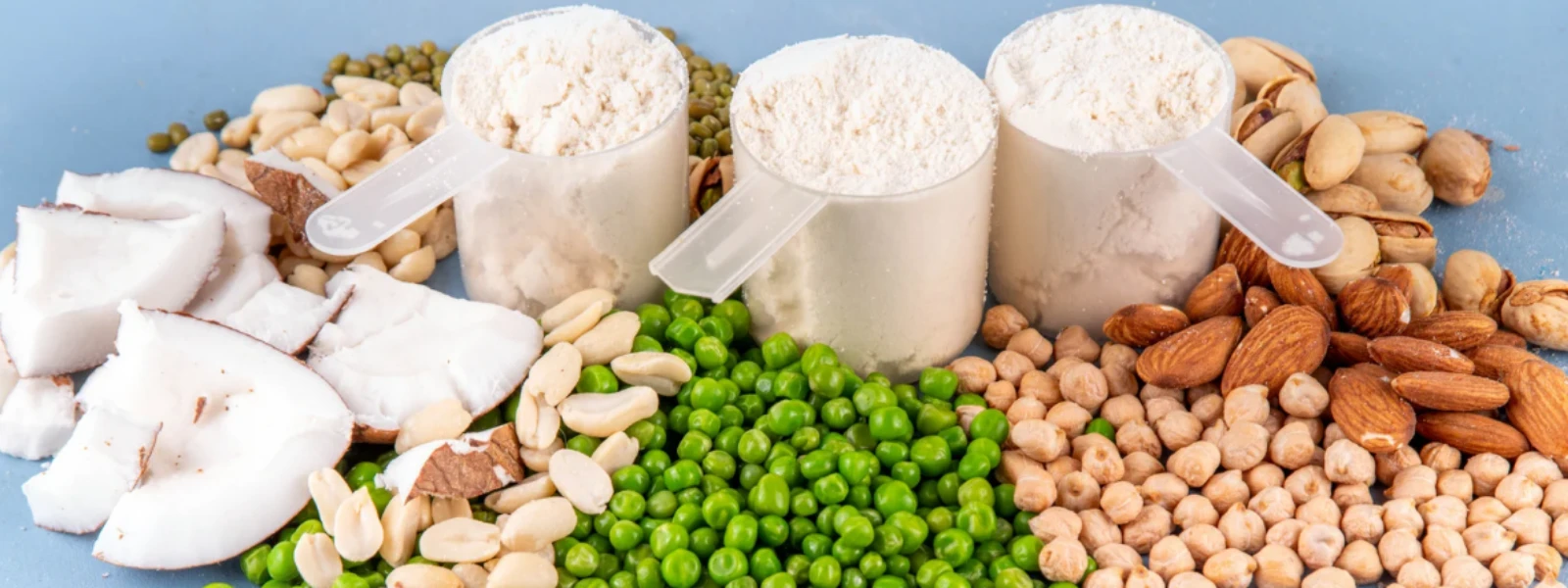


Intermittent fasting has gained significant popularity among health-conscious individuals and athletes seeking to optimize their metabolism and body composition. As this eating pattern becomes more mainstream, many practitioners wonder about incorporating supplements, particularly protein powders, into their fasting routine. The question of whether you can take plant protein powder while intermittent fasting is complex and depends on your specific goals, fasting protocol, and timing strategy.
This comprehensive guide will explore the science behind combining plant protein with intermittent fasting, helping you understand when and how to use these supplements effectively. You'll learn about the metabolic impact of plant proteins during fasting states, optimal timing strategies for different goals, and practical approaches to maximize both muscle preservation and fasting benefits.
Intermittent fasting involves cycling between periods of eating and fasting, creating specific metabolic states that can support various health goals. Popular protocols include the 16:8 method (16 hours fasting, 8 hours eating), 18:6 approach, and more extended fasting periods.
During fasting states, your body undergoes several metabolic changes. Insulin levels drop significantly, allowing stored fat to become more accessible for energy. Growth hormone production increases, which can help preserve muscle mass during caloric restriction. Additionally, cellular repair processes like autophagy become more active, potentially supporting longevity and cellular health.
Plant protein powders offer a sustainable and often easier-to-digest alternative to animal-based proteins. Common sources include pea, hemp, rice, and soy proteins, each with unique amino acid profiles and digestibility characteristics.
Unlike some individual plant proteins that may lack certain essential amino acids, many modern plant protein powders combine multiple sources to create complete amino acid profiles. This approach ensures your body receives all nine essential amino acids necessary for muscle protein synthesis and overall health.
Whether plant protein powder breaks your fast depends on your fasting goals and the specific definition you're using. From a strict caloric perspective, any protein powder contains calories and will technically break a fast. However, the metabolic impact varies significantly based on the amount consumed and your individual response.
Research suggests that small amounts of protein (typically under 50 calories) may have minimal impact on the metabolic benefits of fasting. Plant proteins generally produce a lower insulin response compared to some animal proteins, potentially making them more compatible with certain fasting goals.
Did You Know?
Studies show that plant proteins typically trigger a 20-30% lower insulin response compared to whey protein, potentially making them more suitable for those practicing intermittent fasting for metabolic benefits.
Your approach to plant protein during intermittent fasting should align with your primary objectives. If weight loss is your main goal, the slight caloric intake from protein powder may be acceptable if it helps you maintain muscle mass and adherence to your overall eating plan.
For those focused on autophagy and cellular repair, even small amounts of protein may interfere with these processes. Athletes and active individuals often prioritize muscle preservation and performance, making strategic protein timing more important than strict fasting adherence.
Training during fasted states can be challenging, particularly for high-intensity workouts. A small serving of plant protein powder 30-60 minutes before exercise can provide essential amino acids without significantly disrupting your fasted state.
Plant proteins rich in branched-chain amino acids (BCAAs) can help prevent muscle breakdown during fasted training sessions. This approach is particularly beneficial for strength training or longer endurance activities where muscle preservation is crucial.
The post-workout period represents an optimal time for protein consumption, regardless of your fasting schedule. If your workout coincides with the end of your fasting window, plant protein powder can serve as an excellent way to break your fast while supporting muscle recovery.
Combining plant protein with carbohydrates and healthy fats when breaking your fast can optimize nutrient absorption and support sustained energy levels throughout your eating window.
Maintaining muscle mass during intermittent fasting requires adequate protein intake within your eating windows. Plant proteins can effectively stimulate muscle protein synthesis when consumed in sufficient quantities and with complete amino acid profiles.
Research indicates that plant-based proteins can support muscle growth comparably to animal proteins when total protein intake and amino acid composition are optimized. The key lies in consuming adequate leucine, an amino acid crucial for triggering muscle protein synthesis.
Plant proteins offer additional benefits beyond muscle building. Many contain natural anti-inflammatory compounds that can support exercise recovery and reduce oxidative stress. This can be particularly valuable for athletes practicing intermittent fasting, as the combination may enhance both performance and recovery.
The sustained amino acid release from plant proteins can provide longer-lasting muscle protein synthesis stimulation compared to faster-absorbing proteins, potentially making them ideal for extended fasting periods.
Athletes practicing intermittent fasting need strategic approaches to protein timing. Training days may require different protocols than rest days, with higher protein intake and specific timing around workouts.
Consider adjusting your fasting windows based on training schedules. Heavy training days might benefit from shorter fasting periods or strategic protein intake during extended fasts to support performance and recovery.
Proper hydration becomes even more critical when combining plant protein supplementation with intermittent fasting. Protein metabolism requires adequate water intake, and fasting can affect electrolyte balance.
When mixing plant protein powder, ensure adequate fluid intake throughout your eating window. Consider electrolyte balance, particularly if you're training during fasted states or in hot conditions.
Taking plant protein powder during your fasting window will technically break your fast from a caloric standpoint. However, small amounts may have minimal impact on metabolic benefits, especially if consumed around workouts. Consider your primary fasting goals when making this decision.
Aim for 0.8-1.2 grams of protein per kilogram of body weight daily, distributed within your eating window. Athletes may require higher amounts (1.4-2.0 g/kg). Focus on consuming adequate protein during your eating periods rather than during fasting windows.
Look for plant protein blends that provide complete amino acid profiles with minimal additives. Pea protein, hemp protein, and rice protein combinations often work well. Choose products with no added sugars and minimal artificial ingredients to support your fasting goals.
Plant protein consumed within your eating windows can help maintain muscle mass during intermittent fasting. The key is ensuring adequate total protein intake and timing consumption strategically around workouts when possible.
During eating windows, plant protein can be safely combined with other supplements. During fasting periods, avoid caloric additions. Non-caloric supplements like electrolytes or certain vitamins may be acceptable depending on your fasting protocol and goals.
Successfully combining plant protein powder with intermittent fasting requires understanding your primary goals and implementing strategic timing approaches. While protein consumption during fasting windows will technically break your fast, the metabolic impact may be minimal, especially when timed around workouts or consumed in small quantities. The key lies in prioritizing adequate protein intake within your eating windows while maintaining the metabolic benefits of your chosen fasting protocol. Plant proteins offer unique advantages including lower insulin responses, anti-inflammatory properties, and sustainable amino acid profiles that can support both fasting goals and athletic performance. Consider experimenting with different timing strategies and protein sources to find the approach that best supports your individual health and fitness objectives.



