A Guide: How to Make Whey Protein at Home
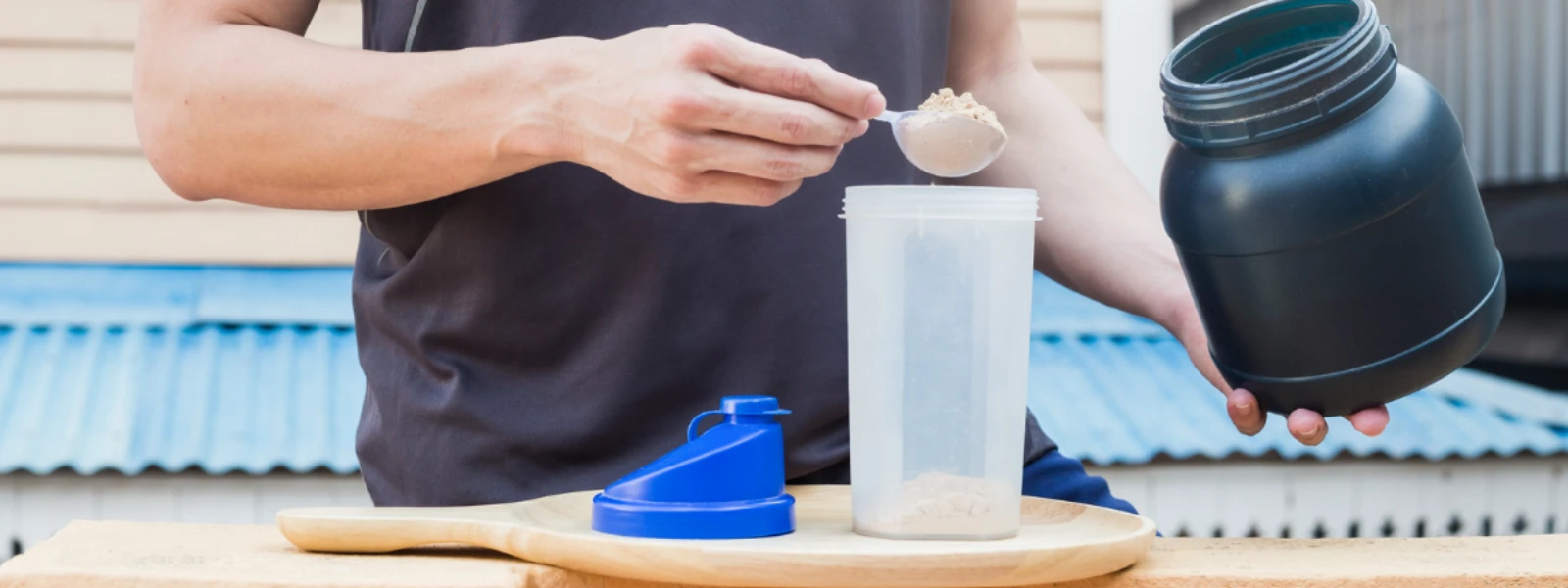


Have you ever wondered if you could create your own protein powder right in your kitchen? While commercial whey protein supplements offer convenience and standardized nutrition, making whey protein at home can be an interesting experiment that helps you understand the protein extraction process better. This guide will walk you through several methods to extract whey protein at home, though it's important to understand the limitations compared to professionally manufactured supplements.
Whey protein originates from the cheese-making process, where milk is separated into curds and whey. The liquid whey contains valuable proteins that can be concentrated and dried into powder form. While homemade methods won't achieve the same concentration levels as commercial whey protein isolates or concentrates, they can provide a basic understanding of protein extraction principles.
Whey is the liquid portion that separates from milk during the curdling process. When milk proteins coagulate, they form solid curds (used to make cheese) and leave behind a translucent liquid rich in whey proteins. This liquid contains approximately 0.6-0.8% protein by weight, along with lactose, minerals, and vitamins.
Commercial whey protein manufacturing involves sophisticated filtration and concentration processes that can achieve protein concentrations of 80-90% or higher. The industrial process includes ultrafiltration, ion exchange, and spray drying techniques that aren't feasible in home settings.
Fresh whey contains all nine essential AmIno aciDS, making it a complete protein source. The primary proteins in whey include beta-lactoglobulin, alpha-lactalbumin, immunoglobulins, and lactoferrin. While the protein concentration in homemade whey is relatively low, these proteins remain bioavailable and beneficial.
Did You Know?
Ancient Greeks called whey "healing water" and used it for various health purposes. Modern research has confirmed that whey proteins support muscle protein synthesis and contain bioactive compounds that may benefit immune function.
For this homemade whey protein extraction method, you'll need fresh whole milk (preferably organic), an acid source like fresh lemon juice or white vinegar, a large pot, a fine-mesh strainer, cheesecloth or coffee filters, and clean glass containers for storage.
Start with one gallon of fresh milk, which will yield approximately 3-4 cups of liquid whey. The protein content will be modest compared to commercial supplements, but the process demonstrates the fundamental principles of protein separation.
Begin by slowly heating the milk in a heavy-bottomed pot to 185°F (85°C), stirring gently to prevent scorching. Once the milk reaches temperature, remove it from heat and gradually add 2-3 tablespoons of fresh lemon juice or white vinegar while stirring slowly.
You'll notice the milk beginning to separate into white curds and yellowish whey within minutes. Allow the mixture to sit undisturbed for 15-20 minutes to complete the separation process. The acid denatures the milk proteins, causing them to coagulate and separate from the liquid portion.
Line your strainer with cheesecloth or coffee filters and carefully pour the mixture through to separate the curds from the whey. The liquid that passes through is your fresh whey protein solution. Store this liquid in the refrigerator and use within 3-4 days for best quality.
Choose plain, whole milk yogurt without added thickeners or stabilizers like pectin or gelatin, as these can interfere with whey separation. Greek yogurt that hasn't been pre-strained works best for this method, as it still contains its natural whey content.
You'll need about 32 ounces of quality yogurt to yield approximately 1-2 cups of liquid whey. This method is gentler than the acid curdling process and produces whey with a milder flavor profile.
Set up a straining station by placing a fine-mesh strainer over a large bowl and lining it with multiple layers of cheesecloth or a clean kitchen towel. Spoon the yogurt into the lined strainer and refrigerate the entire setup.
Allow the yogurt to strain for 12-24 hours, depending on how much whey you want to extract. The longer straining time will yield more concentrated Greek-style yogurt and more liquid whey. Gently stir the yogurt occasionally to encourage whey separation without breaking down the protein structure.
Converting liquid whey to powder form requires removing moisture while preserving protein integrity. The most accessible home method involves using a food dehydrator set to 135°F (57°C). Pour the liquid whey onto dehydrator trays lined with fruit leather sheets and dehydrate for 12-18 hours.
Alternative methods include oven drying at the lowest temperature setting with the door slightly open, or freeze-drying if you have access to a home freeze-dryer. Each method will produce different textures and protein concentrations in the final product.
Once completely dried, the whey will form brittle sheets or flakes. Break these into smaller pieces and process them in a clean coffee grinder or high-powered blender until you achieve a fine powder consistency. Sift the powder through a fine-mesh screen to remove any larger particles.
Store the homemade whey protein powder in airtight containers in a cool, dry place. Properly dried and stored homemade whey powder can last 6-12 months, though the protein concentration will be significantly lower than commercial products.
Homemade whey protein typically contains 10-15% protein by weight, compared to commercial whey concentrates at 80% or whey isolates at 90%+ protein content. This means you'd need much larger serving sizes to achieve equivalent protein intake from homemade versions.
The filtration and concentration technologies used in commercial whey protein manufacturing simply aren't replicable in home settings. Industrial processes like cross-flow microfiltration and ion exchange chromatography achieve protein concentrations impossible through home methods.
Rather than relying solely on homemade whey, consider creating protein-rich blends using various whole food sources. Combine ground almonds, hemp seeds, chia seeds, and pumpkin seeds to create a plant-based protein powder with complementary amino acid profiles.
You can enhance these blends by adding small amounts of homemade whey powder for flavor and additional protein variety. This approach provides better overall nutrition than attempting to create high-concentration whey protein at home.
Protein extraction requires strict attention to cleanliness to prevent bacterial contamination. Sterilize all equipment with boiling water before use, and maintain proper refrigeration temperatures throughout the process. Work quickly when handling liquid whey to minimize exposure to ambient temperatures.
Monitor the whey for any off odors, unusual colors, or signs of fermentation during storage. Fresh whey should have a mild, slightly sweet aroma and pale yellow color. Any sour or unpleasant odors indicate bacterial growth and the product should be discarded.
While home testing for exact protein content isn't practical, you can assess quality through sensory evaluation. Good quality homemade whey protein powder should dissolve reasonably well in liquid, have a neutral to mildly sweet taste, and show no signs of rancidity or off-flavors.
Understanding the limitations helps set realistic expectations. Homemade whey protein serves better as a learning experience and minor supplement rather than a primary protein source for serious fitness goals.
Homemade whey protein typically contains 10-15% protein by weight, while commercial whey concentrates contain 80% and isolates contain 90%+ protein. This means you'd need approximately 6-8 times more homemade powder to match the protein content of commercial supplements.
Properly dried and stored homemade whey protein powder can last 6-12 months in airtight containers kept in cool, dry conditions. However, the protein quality may degrade over time, and the risk of contamination is higher than with commercially processed products that include preservatives and undergo strict quality control.
While homemade whey contains the same types of beneficial proteins, the much lower concentration means it's less practical for meeting high protein requirements. You'd need to consume very large quantities to match the protein intake from commercial supplements, making it impractical for serious muscle-building goals.
Yes, you can use various milk types including cow's milk, goat's milk, or even plant-based alternatives, though the protein content and extraction efficiency will vary. Whole milk typically produces the best yield and quality, while skim milk produces less whey with lower fat-soluble vitamin content.
The primary risks include bacterial contamination from improper handling or storage, inconsistent protein content, and potential nutrient degradation during the drying process. Additionally, the low protein concentration makes it an inefficient source compared to commercial alternatives, and there's no quality control testing for purity or potency.
Making whey protein at home offers valuable insights into protein extraction processes and can be a fun educational experiment. While the methods outlined above can produce whey-containing powders, it's important to understand that homemade versions cannot match the protein concentration, consistency, or safety standards of commercially manufactured supplements. The process requires significant time and effort to produce relatively small amounts of low-concentration protein powder. For those interested in exploring nutrition science and understanding how proteins are extracted, these methods provide hands-on learning opportunities. However, for meeting serious fitness and nutrition goals, professionally manufactured whey protein supplements remain the more practical and effective choice due to their superior concentration, quality control, and convenience.



