The Essential Checklist: 100g Oats Protein Benefits
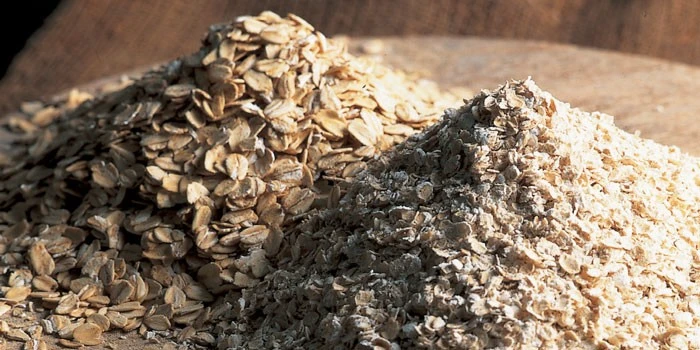


Picture this: you're looking for the perfect fuel to power your workouts, support muscle recovery, and maintain consistent energy levels throughout your demanding day. The answer might be sitting right in your kitchen pantry. Oats, often overlooked as just breakfast food, pack an impressive nutritional punch that extends far beyond their humble reputation. When we examine 100 gram oats protein content and overall nutritional profile, we discover a powerhouse ingredient that deserves a spot in every athlete's and fitness enthusiast's nutrition plan.
This comprehensive guide will walk you through everything you need to know about incorporating 100g of oats into your nutrition strategy. From precise protein measurements to performance benefits, you'll discover why oats deserve serious consideration in your quest for optimal health and fitness results.
Understanding oats nutrition starts with examining the impressive macronutrient breakdown found in a 100-gram serving. This amount provides approximately 13-17 grams of high-quality protein, making it a surprisingly robust protein source for a grain-based food.
The oats protein content in 100 grams typically ranges from 13 to 17 grams, depending on the variety and processing method. This protein content positions oats as one of the most protein-dense grains available, containing significantly more protein than rice, wheat, or corn per gram.
The protein found in oats consists of several beneficial components. Approximately 80% comes from a protein called avenalin, while the remaining 20% includes globulins and other protein fractions. This combination provides a well-rounded amino acid profile that supports various bodily functions.
Beyond protein, oats macros include approximately 66 grams of carbohydrates and 6 grams of healthy fats per 100-gram serving. The total caloric content reaches around 389 calories, making it an energy-dense food perfect for active individuals.
The carbohydrate content consists primarily of complex carbohydrates, including about 10 grams of dietary fiber. This fiber content plays a crucial role in digestive health, blood sugar regulation, and sustained energy release—all essential factors for athletic performance and recovery.
Did You Know?
Oats contain a unique type of fiber called beta-glucan, which has been extensively studied for its ability to support heart health, regulate cholesterol levels, and provide sustained energy release. This makes oats particularly valuable for endurance athletes who need consistent energy over extended periods.
When evaluating any protein source for oats for muscle building, we must consider both quantity and quality. Oats provide a impressive amino acid profile that supports muscle protein synthesis, though it's important to understand how this compares to other protein sources.
Oats contain all essential AmIno aciDS, though they're not considered a complete protein in the same way as animal-based sources. The limiting amino acid in oats is lysine, but the overall amino acid profile still provides substantial support for muscle building and recovery processes.
The protein digestibility of oats rates well compared to other plant-based sources. Research indicates that oat protein has a biological value of approximately 60-70, which means your body can effectively utilize a significant portion of the protein consumed.
For individuals focused on oats for recovery, the protein content works synergistically with the carbohydrate content to support post-workout recovery. The combination helps replenish glycogen stores while providing amino acids necessary for muscle repair and growth.
The sustained energy release from oats also supports recovery by maintaining stable blood sugar levels, which can help optimize the body's recovery processes and reduce post-workout fatigue.
Athletes seeking optimal oats for performance will find that 100 grams provides an ideal balance of immediate and sustained energy. The complex carbohydrate structure ensures steady glucose release, while the protein content supports ongoing muscle maintenance during training.
For oats for athletes, timing becomes crucial. Consuming 100 grams of oats 2-3 hours before training provides sustained energy without causing digestive discomfort. The gradual carbohydrate release helps maintain consistent blood sugar levels throughout extended training sessions.
The moderate glycemic index of oats (around 55) makes them particularly valuable for oats for endurance activities. Unlike high-glycemic foods that cause rapid spikes and crashes in blood sugar, oats provide steady energy that can sustain performance over longer periods.
When used as pre-workout nutrition, 100 grams of oats can be consumed as overnight oats or a hearty breakfast bowl. Adding fruits or a small amount of healthy fats can further optimize the nutrient profile for specific training demands.
Post-workout, the protein and carbohydrate combination in oats supports the critical recovery window. The protein aids muscle repair while carbohydrates help replenish depleted glycogen stores, making it an excellent addition to post-training meals.
Understanding proper oats serving size becomes essential when tailoring nutrition to specific fitness objectives. While 100 grams provides substantial nutrition, individual needs vary based on body weight, training intensity, and overall goals.
For individuals focused on muscle building, 100 grams of oats can serve as an excellent base for protein-enhanced meals. Combining oats with additional protein sources like Greek yogurt, protein powder, or nuts can create a powerful muscle-building meal that provides both immediate and sustained nutrition.
The timing of consumption matters significantly for muscle building goals. Consuming oats within the post-workout window can help maximize the anabolic response when combined with adequate protein from other sources.
Despite being calorie-dense, 100 grams of oats can support weight management goals due to their high fiber content and protein contribution. The fiber promotes satiety, helping individuals feel full longer and potentially reducing overall caloric intake throughout the day.
The sustained energy release also helps prevent energy crashes that often lead to poor food choices or overeating later in the day.
For endurance athletes, oats for sports nutrition provides an ideal foundation for carbohydrate loading or maintaining energy stores during training phases. The combination of immediate and sustained energy makes oats particularly valuable for athletes training for longer distances or extended training sessions.
While protein content often takes center stage, the holistic nutritional profile of 100 grams of oats extends far beyond just protein content. Understanding these additional benefits helps athletes and fitness enthusiasts maximize their nutritional investment.
Oats provide significant amounts of essential micronutrients, including manganese, phosphorus, magnesium, and iron. These minerals play crucial roles in energy metabolism, bone health, and oxygen transport—all vital for athletic performance.
The B-vitamin content in oats, particularly thiamine and niacin, supports energy metabolism and nervous system function. These vitamins become increasingly important during periods of intense training when metabolic demands increase.
The beta-glucan fiber found in oats has been shown to support immune function, which becomes particularly important for athletes who may experience temporary immune suppression following intense training sessions.
Additionally, oats contain antioxidant compounds called avenanthramides, which have anti-inflammatory properties that may support recovery and overall health.
Successfully incorporating 100 grams of oats into your nutrition plan requires practical strategies that fit your lifestyle and preferences. Understanding preparation methods and enhancement techniques can help you maximize both nutrition and enjoyment.
Overnight oats offer convenience for busy schedules while maintaining all nutritional benefits. Combining 100 grams of oats with liquid and allowing them to soak overnight creates a ready-to-eat meal that requires no morning preparation.
Traditional cooking methods work well for those who prefer warm meals. Steel-cut oats require longer cooking times but provide a heartier texture, while rolled oats cook quickly and blend well with various additions.
While 100 grams of oats provides substantial protein, combining them with complementary protein sources can create more complete amino acid profiles. Greek yogurt, protein powder, nuts, seeds, or milk can significantly boost the total protein content while enhancing flavor and texture.
These combinations are particularly beneficial for individuals with higher protein requirements or those seeking to maximize muscle building potential.
Fifty grams of oats typically contains 6.5 to 8.5 grams of protein, which is approximately half the protein content found in 100 grams. This amount can still contribute meaningfully to daily protein intake, especially when combined with other protein sources.
Oats contain all essential amino acids but are not considered a complete protein due to lower levels of lysine compared to animal-based proteins. However, combining oats with other foods like dairy, nuts, or legumes can create a more complete amino acid profile.
For optimal performance, consume oats 2-3 hours before training to allow for digestion and sustained energy release. Post-workout consumption within 30-60 minutes can support recovery when combined with additional protein sources.
Oats contain significantly more protein than most other grains. While rice contains about 7-8 grams of protein per 100 grams and wheat contains about 10-12 grams, oats provide 13-17 grams, making them one of the most protein-rich grain options available.
For most active individuals, 100 grams of oats daily can be part of a balanced nutrition plan. However, individual needs vary based on total caloric requirements, training demands, and other dietary factors. It's important to ensure this amount fits within your overall nutritional goals and doesn't displace other important foods.
The journey toward optimal nutrition doesn't require complicated supplements or exotic superfoods. Sometimes, the most powerful nutritional tools are the simple, whole foods that have fueled human performance for generations. With 100 grams of oats providing substantial protein, sustained energy, and comprehensive nutrition, this humble grain deserves serious consideration in any athlete's or fitness enthusiast's nutrition strategy. By understanding how to properly incorporate oats into your routine, you're taking a significant step toward supporting your performance, recovery, and long-term health goals. The combination of convenience, affordability, and nutritional density makes oats an invaluable addition to any serious approach to sports nutrition and wellness.



