The Essential Checklist: 7 Vegetables That Pack a Protein Punch
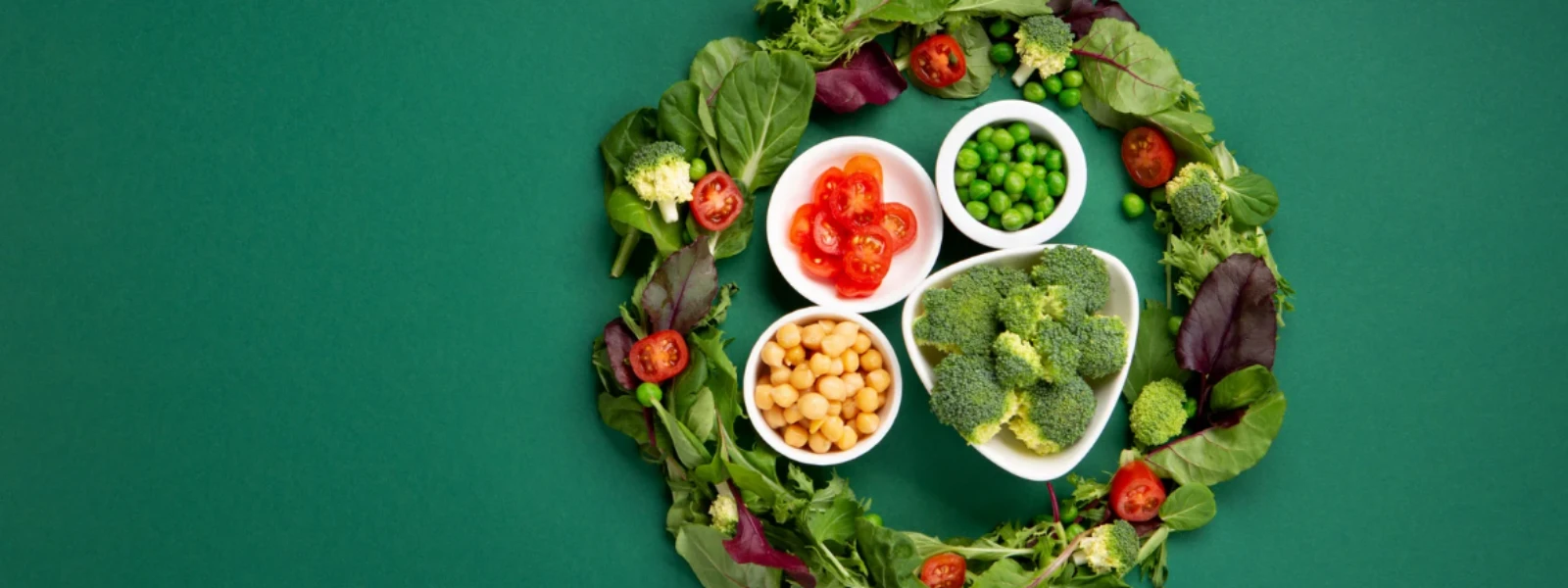


When you think about protein, vegetables might not be the first foods that come to mind. Most people associate protein with meat, eggs, or dairy products. However, many vegetables that has protein can be powerful allies in meeting your daily protein needs. These nutrient-dense foods offer more than just vitamins and minerals—they provide quality protein that supports muscle health, recovery, and overall wellness.
The idea that plant-based foods can't provide adequate protein is one of the most persistent myths in nutrition. Research shows that high-protein vegetables can contribute significantly to your daily protein intake while delivering additional benefits like fiber, antioxidants, and essential micronutrients. Understanding which vegetables pack the biggest protein punch can help you build a more balanced and nutritious diet.
Protein content in vegetables varies widely, and understanding how to measure and evaluate this content helps you make informed dietary choices. While vegetables typically contain less protein per serving than animal products, they offer unique advantages in terms of digestibility and nutrient density.
Protein content in vegetables is typically measured in grams per 100 grams of food or per serving size. This measurement helps you compare different vegetable sources of protein effectively. The protein quality depends on the amino acid profile, which determines how well your body can use the protein for various functions.
Plant proteins often contain different amino acid profiles compared to animal proteins. However, when you eat a variety of protein-rich plant foods throughout the day, you can easily obtain all essential AmIno aciDS your body needs for optimal health and muscle function.
The bioavailability of vegetable proteins refers to how well your body can absorb and use these proteins. While some plant proteins have lower bioavailability than animal proteins, proper preparation methods and food combinations can enhance absorption rates significantly.
Cooking methods like steaming, sautéing, or blanching can break down plant cell walls, making proteins more accessible to your digestive system. This improved accessibility means you can extract more nutritional value from high-protein vegetables when they're properly prepared.
Green peas stand out among vegetables with their impressive protein content of 5.4 grams per 100 grams. These small but mighty legumes provide complete proteins, containing all nine essential AmIno aciDS your body cannot produce on its own.
Beyond protein, green peas offer significant amounts of fiber, Vitamin C, and folate. They support digestive health while contributing to muscle maintenance and growth. Fresh or frozen peas work equally well in most recipes, making them a convenient protein source year-round.
You can easily incorporate green peas into your diet by adding them to salads, stir-fries, soups, or pasta dishes. They blend well in smoothies and can be mashed into protein-rich spreads or dips.
Spinach delivers approximately 5 grams of protein per cooked cup, making it one of the most protein-dense leafy greens available. This nutrient-dense vegetable also provides iron, which supports oxygen transport to muscles during exercise and recovery.
The protein in spinach becomes more concentrated when cooked, as cooking reduces water content while maintaining protein levels. Raw spinach also provides protein, though in smaller amounts per serving due to its high water content.
Try adding spinach to omelets, smoothies, pasta sauces, or grain bowls. Wilted spinach makes an excellent side dish, while fresh spinach works well in salads and sandwiches.
Mushrooms surprise many people with their protein content of about 6 grams per cooked cup. Different varieties offer varying protein levels, with shiitake and portobello mushrooms typically providing higher amounts than button mushrooms.
The unique texture and umami flavor of mushrooms make them excellent meat substitutes in many dishes. They also contain important minerals like selenium and potassium, which support immune function and heart health.
Mushrooms work well grilled, roasted, sautéed, or added to soups and stews. Large portobello caps can serve as burger patties, while smaller mushrooms enhance pasta dishes and stir-fries.
Did You Know?
Mushrooms are technically fungi, not vegetables, but they're nutritionally grouped with vegetables. Their protein quality rivals that of many animal products, making them valuable additions to plant-based diets.
Broccoli provides about 4 grams of protein per cooked cup, along with substantial amounts of Vitamin C, Vitamin K, and folate. This cruciferous vegetable supports both muscle health and immune function through its diverse nutrient profile.
The protein in broccoli is particularly beneficial because it comes packaged with compounds that support overall health and recovery. These include antioxidants that help reduce exercise-induced inflammation and support faster recovery between workouts.
Steam, roast, or stir-fry broccoli to preserve maximum nutrition. It pairs well with other protein sources and can be added to grain bowls, pasta dishes, or eaten as a standalone side dish.
Brussels sprouts pack approximately 4 grams of protein per cooked cup into their compact form. These mini cabbages also provide fiber, Vitamin C, and Vitamin K, making them nutritional powerhouses despite their small size.
The protein in Brussels sprouts supports muscle maintenance while the fiber content promotes healthy digestion and sustained energy levels. Their nutrient density makes them particularly valuable for active individuals who need maximum nutrition in every bite.
Roasting Brussels sprouts with a little oil brings out their natural sweetness and reduces any bitter flavors. They also work well shaved raw in salads or added to grain-based dishes.
Asparagus delivers about 4.3 grams of protein per cooked cup while remaining very low in calories. This makes it an excellent choice for those looking to increase protein intake without significantly increasing caloric intake.
The amino acid profile in asparagus includes significant amounts of asparagine, which may support nervous system function. Asparagus also provides folate and Vitamin K, nutrients important for overall health and recovery.
Grill, steam, or roast asparagus for optimal flavor and nutrition. It makes an excellent side dish for protein-rich meals and can be added to salads, pasta dishes, or grain bowls.
Sweet corn provides approximately 5.1 grams of protein per cooked cup, making it a surprisingly good protein source among starchy vegetables. Corn also supplies complex carbohydrates, which provide sustained energy for active lifestyles.
The protein in corn is particularly valuable when combined with other plant proteins throughout the day. Corn provides certain amino acids that complement those found in legumes and other vegetables, helping create complete protein profiles.
Fresh corn can be grilled, boiled, or roasted. Frozen corn works well in soups, stews, and grain bowls. Corn also blends well into smoothies for those looking to add both protein and carbohydrates to post-workout nutrition.
While individual vegetables may not provide complete protein profiles, combining different protein-packed produce throughout the day ensures you receive all essential amino acids. This approach, called protein complementing, helps maximize the nutritional value of vegetable proteins.
You don't need to combine proteins at every meal. Instead, focus on eating a variety of high-protein vegetables and other plant foods throughout the day. This natural variety provides your body with all the amino acids needed for optimal protein synthesis.
Certain cooking methods help preserve and even enhance the protein content in vegetables. Steaming and light sautéing maintain most proteins while making them more digestible. Avoid overcooking, which can break down proteins and reduce their nutritional value.
Quick cooking methods like stir-frying or brief steaming help vegetables retain their protein content while improving digestibility. These methods also preserve other nutrients that work synergistically with protein for optimal health benefits.
Incorporating multiple high-protein vegetables into meals helps boost overall protein intake while providing diverse nutrients. Plan meals that feature these vegetables as main components rather than just side dishes to maximize their protein contribution.
Batch cooking protein-rich vegetables at the beginning of the week makes it easier to include them in daily meals. Prepare large quantities of roasted vegetables, steamed greens, or vegetable-based soups that can be easily added to different meals throughout the week.
Smoothies offer an excellent way to combine multiple high-protein vegetables into one convenient serving. Spinach, peas, and even steamed broccoli can be blended into fruit smoothies without significantly affecting taste while boosting protein content.
Vegetable-based soups and stews allow you to combine several protein-rich vegetables in one dish. These preparations also make nutrients more bioavailable while creating satisfying, nutrient-dense meals.
While nutrient-dense vegetable proteins provide valuable nutrition, some individuals may need additional protein support, especially those with higher protein requirements due to intense training or specific health goals. In these cases, high-quality protein supplements can complement a vegetable-rich diet.
Understanding your individual protein needs helps determine whether vegetables alone can meet your requirements or if additional protein sources might be beneficial. Factors like activity level, age, and health goals all influence optimal protein intake.
The quality of protein sources, whether from vegetables or supplements, significantly impacts their effectiveness. Look for clean, minimally processed options that provide maximum nutritional value without unnecessary additives or artificial ingredients.
When choosing any protein source, consider factors like digestibility, amino acid profile, and additional nutrients provided. The best approach often involves combining high-quality vegetable proteins with other clean protein sources to meet individual nutritional needs.
While vegetables that has protein can contribute significantly to your daily intake, meeting all protein needs from vegetables alone can be challenging for most people. Combining high-protein vegetables with other plant-based proteins like legumes, nuts, and seeds typically provides a more complete protein profile.
Vegetable proteins generally contain fewer calories and more fiber than animal proteins, but they may have different amino acid profiles. Most high-protein vegetables provide incomplete proteins, meaning they don't contain all essential amino acids in optimal ratios. However, eating a variety of plant proteins throughout the day can provide complete amino acid profiles.
Light cooking methods like steaming, brief sautéing, or blanching help preserve protein content while improving digestibility. Avoid overcooking, which can break down proteins. Raw vegetables also provide protein, though cooking often makes proteins more bioavailable to your body.
You don't need to include high-protein vegetables at every meal, but spreading protein intake throughout the day helps optimize protein synthesis. Focus on including a variety of protein sources, including vegetables, across your daily meals rather than concentrating all protein in one meal.
Frozen vegetables typically retain their protein content very well and can be just as nutritious as fresh ones. In some cases, frozen vegetables may have higher nutrient levels than fresh vegetables that have been stored for extended periods. Choose frozen vegetables without added sauces or seasonings for the cleanest protein source.
Vegetables that has protein offer valuable nutrition that extends far beyond just protein content. These seven protein-packed vegetables—green peas, spinach, mushrooms, broccoli, Brussels sprouts, asparagus, and sweet corn—provide essential amino acids while delivering fiber, vitamins, minerals, and antioxidants that support overall health and wellness. By incorporating these high-protein vegetables into your daily meals, you can boost your protein intake while enjoying diverse flavors and textures that make healthy eating more enjoyable. Remember that the key to optimal nutrition lies in variety and balance, combining these protein-rich plant foods with other quality nutrition sources to meet your individual health and fitness goals.



